Cutting into concrete is a routine task on many construction sites, but doing so without proper preparation can lead to costly and dangerous consequences. Hidden within concrete slabs and walls are critical structural and utility elements — reinforcing steel (rebar), post-tension cables, and electrical conduits. Accidentally cutting into these components can weaken a structure, cause electrical hazards, delay projects, and significantly increase repair costs. For builders, renovators, and contractors, understanding how to identify what lies beneath the surface before cutting begins is not just best practice — it's essential. Professional concrete scanning is the most reliable way to achieve this.
Concrete may appear solid and uniform, but it often contains a network of reinforcement and utilities designed to strengthen and service the structure. When these elements are damaged, the consequences can be significant across three key risk areas:
Before any cutting or drilling begins, it helps to understand the common elements typically found within concrete structures — and why each one demands respect.
Reinforcing Steel (Rebar)
Typically arranged in a grid pattern within slabs, walls, and columns. Provides tensile strength to prevent cracking and failure under load. Varies in diameter based on structural requirements.
Post-Tension Cables
High-strength steel cables tensioned after concrete cures, common in car parks and apartment buildings. Under extreme tension — cutting one can release stored energy violently. Read more about rebar and PT cable mapping in high-rise construction.
Electrical & Data Conduits
Protect wiring and allow power or data to run throughout the building. Damaging conduits interrupts critical systems and requires expensive rewiring and concrete repairs. South East Scanning also offers electrical faults detection services for more complex investigations.
Post-tension cables are under significant compressive force. Severing one without preparation can cause sudden, violent energy release — posing a direct risk to workers and equipment in the immediate area.
The most reliable way to locate embedded elements is through professional concrete scanning. This process uses specialised equipment to detect and map objects within concrete before cutting begins — providing a clear picture of what lies beneath the surface. Learn more about our GPR scanning services.
Ground Penetrating Radar (GPR)
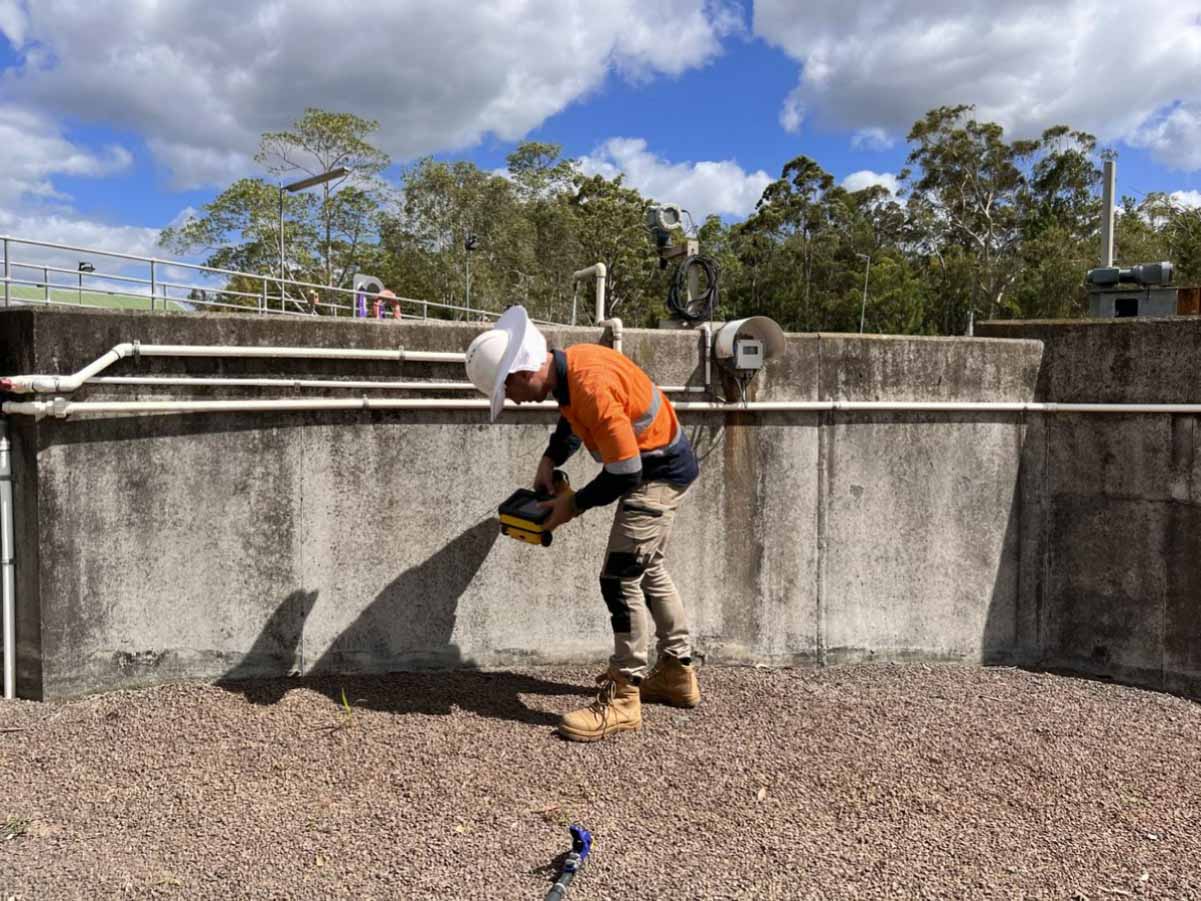
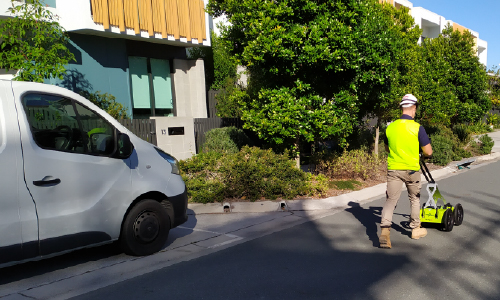
GPR works by sending electromagnetic waves into the slab and measuring the signals that bounce back from embedded objects. Results are displayed in real time, allowing technicians to map safe cutting zones and mark hazards directly on the concrete surface.
While Electromagnetic Rebar Detectors are effective at locating metallic reinforcement, they may not detect non-metallic conduits or deeper embedded items. For comprehensive results, GPR scanning remains the preferred method across construction, renovation, and demolition projects.
Builders can significantly reduce risk by following a structured process before any cutting or drilling into concrete. Adopt these four steps on every project:
Review Construction Drawings
Original construction drawings provide valuable insight into how reinforcement and services were installed. While plans may not always reflect on-site changes, they offer a useful starting point for identifying post-tension systems, reinforcement layouts, and service routes.
Conduct Professional Concrete Scanning
Before cutting begins, arrange for professional GPR scanning of the area. Specialists detect and map embedded elements, marking their locations directly on the surface so cutting paths can be adjusted to avoid critical structural components. If concrete cutting is part of your scope, scanning should always come first.
Mark Safe Cutting Zones
Once scanning is complete, safe zones are identified and clearly marked. These markings guide workers during cutting and drilling, reducing accidental damage — especially critical on busy sites where multiple trades are working simultaneously.
Coordinate With Structural Engineers
If cutting near structural reinforcement or post-tension systems is unavoidable, consult a structural engineer before proceeding. Engineers can advise whether the modification is safe or if reinforcement or redesign is required. Skipping this step can lead to serious structural consequences. South East Scanning's structural investigation and analysis service can support these assessments.
Certain situations carry a higher risk of hidden elements causing damage. Scanning is particularly critical in these common scenarios:
Renovations & Structural Alterations
Plumbing & Electrical Installations
Core Drilling
Demolition Work
Service Upgrades & Retrofits
Builders who prioritise scanning and detection before cutting gain measurable advantages on every project:
Improved Worker Safety
Identifying hazards beforehand reduces the likelihood of electrical accidents, structural failures, or sudden cable releases.
Reduced Repair Costs
Avoiding damage to reinforcement and utilities prevents expensive structural assessments and remediation work.
Greater Project Efficiency
Knowing exactly where to cut eliminates guesswork and allows work to proceed smoothly without unexpected interruptions.
Stronger Reputation
Clients and project managers value contractors who follow best practices and prioritise structural integrity on every job.
Cutting concrete may seem straightforward, but the materials hidden beneath the surface can present serious challenges if not properly identified. Rebar, post-tension cables, and electrical conduits all play vital roles in a building's structure and functionality. Accidentally damaging them leads to safety risks, structural problems, and costly project delays. For further reading, our blog on hidden risks in concrete slabs covers the full range of embedded hazards in detail.
For builders and contractors, the safest approach is always to locate embedded elements before cutting begins. Reviewing drawings, using professional concrete scanning services, and coordinating with engineers where necessary prevents accidents and protects the structure — keeping your project on time, on budget, and built to last. A thorough concrete slab inspection is always the right starting point.
Get in touch with South East Scanning today — we'll help you scan first, cut with confidence, and stay ahead on every project.