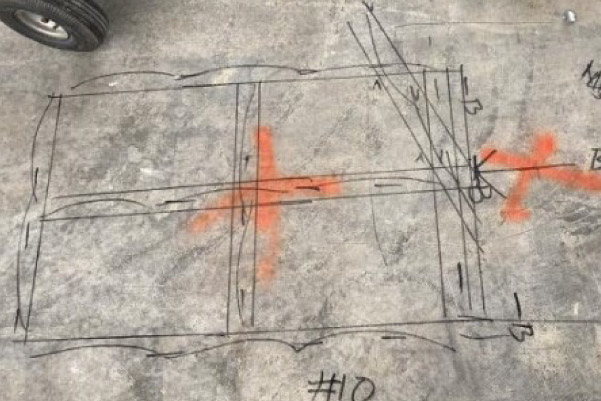
Concrete is one of the most widely used construction materials, prized for its strength, durability, and versatility. However, working with concrete isn’t as simple as pouring it into a form and waiting for it to set. Precision is critical when it comes to cutting concrete, whether for creating expansion joints, removing damaged sections, or installing utility lines. Professional concrete cutting ensures projects stay on schedule, meet structural requirements, and maintain safety standards.
Why Precision Is Essential in Concrete Cutting
Concrete cutting is more than just slicing through a solid surface. It requires detailed planning, specialised equipment, and expert skill. Precision matters for several reasons:
- Structural Integrity: Improper cuts can weaken the structure, leading to cracks, instability, or costly repairs. Expansion joints must be placed accurately to control cracking as concrete expands and contracts with temperature changes.
- Project Efficiency: Accurate cutting reduces rework, avoids delays, and ensures the project adheres to timelines. Mistakes in cutting can slow progress significantly, especially in commercial or industrial projects.
- Safety: Cutting concrete produces dust, noise, and vibration. Professional operators know how to manage these risks, ensuring the safety of workers and the surrounding environment.
- Aesthetic Quality: For decorative or architectural concrete, clean, precise cuts are crucial to achieve a polished and professional finish.
Whether you are preparing a slab for a new extension, modifying a pavement, or installing new infrastructure, precision in cutting is key to keeping the project on track.
Common Applications of Concrete Cutting
Professional concrete cutting is used in a wide variety of projects across residential, commercial, and industrial construction. Some of the most common applications include:
1. Expansion Joints
Concrete naturally expands and contracts with changes in temperature. Expansion joints allow the material to move without cracking. Accurate cutting of these joints ensures longevity and reduces the likelihood of unsightly or damaging cracks.
2. Slab Removal and Replacement
Over time, concrete slabs may require partial removal for repairs, renovations, or access to underlying utilities. Professional cutting ensures that only the necessary sections are removed, preserving the integrity of the surrounding structure.
3. Road and Pavement Work
In civil projects, cutting concrete roads or pavements is essential for maintenance, drainage installation, or repair work. Precision is vital to avoid weakening adjacent sections and to maintain smooth transitions for vehicles and pedestrians.
4. Utility Installation
Installing pipes, cables, or drainage systems often requires cutting into existing concrete. Accurate cutting prevents unnecessary damage and ensures that the new infrastructure fits perfectly within the existing structure.
5. Decorative and Architectural Features
In addition to functional applications, concrete cutting is also used for aesthetic purposes. Creating clean edges, patterns, or openings in decorative concrete surfaces enhances the visual appeal of commercial and residential projects.
Techniques and Equipment in Professional Concrete Cutting
Professional concrete cutting uses specialised techniques and equipment to achieve precision and efficiency. The method chosen depends on the project’s requirements, concrete thickness, and environmental considerations.
Diamond Sawing
Diamond saws are the most common tool for cutting concrete. The diamond-coated blade slices through the material cleanly, providing smooth edges and minimal vibration. Diamond sawing is ideal for slabs, walls, and pavements and is available in handheld, walk-behind, and large industrial models.
Wall Sawing
Wall sawing is used to cut vertical or inclined concrete surfaces. A diamond blade mounted on a track system allows precise cuts for openings, doors, windows, or structural modifications. This technique minimises the risk of damage to surrounding structures and ensures exact dimensions.
Wire Sawing
Wire sawing uses a diamond-coated wire to cut through thick or reinforced concrete sections. It is particularly useful for cutting large beams, bridge segments, or walls where traditional saws cannot reach. Wire sawing offers precise control and reduces vibration, protecting sensitive structures nearby.
Core Drilling
Core drilling creates cylindrical holes in concrete, often for plumbing, electrical conduits, or HVAC systems. This technique provides clean, accurate holes with minimal disruption to the surrounding slab.
Benefits of Hiring Professionals
Engaging experienced concrete cutting professionals brings several advantages to a construction project:
Accuracy:
Skilled operators understand the material and use the right equipment to achieve exact cuts, reducing the need for rework
Time Savings:
Professionals can complete cuts faster and more efficiently than manual or untrained methods, keeping the project on schedule.
Safety Compliance:
Trained teams follow safety protocols, manage dust and debris, and use protective gear to minimise risk.
Reduced Costs:
While hiring professionals may seem like an added expense, their efficiency and accuracy often prevent costly mistakes, delays, and repairs.
Versatility:
Experienced contractors can handle a variety of projects, from small residential jobs to large-scale industrial and civil works.
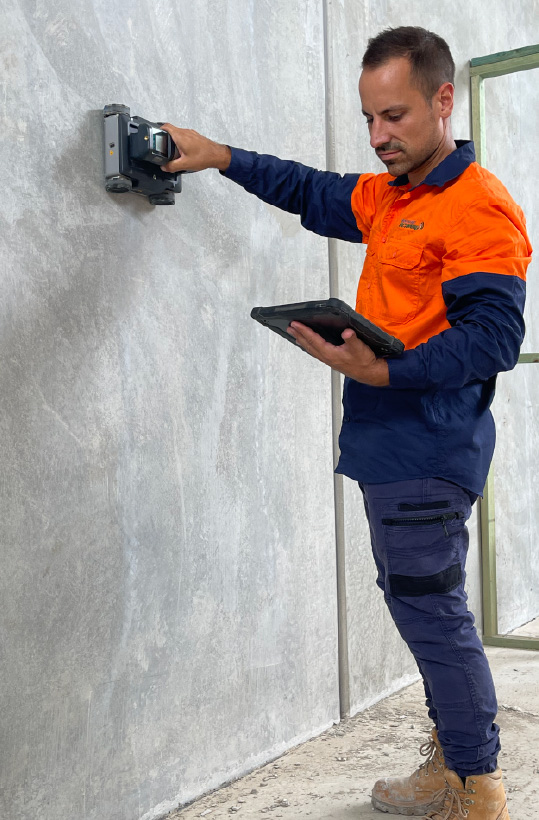
Maintaining Project Timelines
In construction, delays are costly. Concrete cutting is often a critical path task—meaning any mistakes can halt the project until corrections are made. Professional cutting services help maintain timelines by:
Minimising errors and rework.
Ensuring cuts meet engineering and architectural specifications.
Providing flexible solutions to adapt to unexpected site conditions.
Coordinating with other trades to integrate cutting schedules seamlessly.
Accurate and efficient concrete cutting keeps the project moving forward, reduces downtime, and allows other trades to work confidently around the modified structure.
Conclusion
Concrete is a durable and versatile material, but it demands precision when it comes to cutting. From creating expansion joints to installing utilities, professional concrete cutting ensures projects stay on track, meet structural standards, and are completed safely and efficiently. Using specialised techniques and experienced operators minimises risks, prevents costly errors, and delivers a clean, professional finish.
Whether your project is residential, commercial, or industrial, investing in professional concrete cutting services is not just a matter of quality—it’s a matter of keeping your project on time, on budget, and built to last.
Get in touch with South East Scanning today—we’ll help you stay safe, stay on track, and stay ahead of the game.