Excavation is a crucial step in many construction, landscaping, and home improvement projects. Whether you are installing a pool, laying foundations, or digging trenches for utilities, checking for underground services before you start digging is essential. Pipes, cables, and other buried infrastructure can pose serious safety risks, cause costly damage, and lead to legal complications if they are accidentally struck.
- In this blog, you’ll learn:
- What underground services are commonly found beneath residential and commercial sites
- The safety, financial, and legal risks of excavating without proper checks
- How to identify underground services before excavation begins
- Best practices for working safely around buried utilities
What Are Underground Services?
Underground services include a range of essential infrastructure installed below the surface to provide utilities and connectivity. These typically include:
- Water Pipes: Deliver drinking water and irrigation to properties.
- Sewer Lines: Carry wastewater to treatment plants or septic systems.
- Gas Pipes: Supply natural gas for heating, cooking, or industrial use.
- Electrical Cables: Provide electricity to homes, businesses, and street infrastructure.
- Telecommunication Lines: Include phone, internet, and fibre optic cables.
- Stormwater Drainage: Channels rainwater to prevent flooding and erosion.
Identifying the presence and location of these services before excavation is critical to prevent accidental damage and ensure safety.
Risks of Ignoring Underground Services
Safety Hazards
Digging without knowing what lies beneath can result in serious injury or even fatalities. Striking a high-voltage electrical cable can cause electrocution, while hitting a gas line can lead to explosions or toxic leaks. Similarly, damaging water or sewage pipes can create hazardous flooding, contamination, or structural issues. Understanding the location of underground services is a fundamental safety precaution that protects workers, homeowners, and the public.
Financial Consequences
Accidentally damaging underground services can be extremely costly. Repairing broken pipes, cables, or conduits often requires specialised labour and materials, which can quickly add thousands of dollars to your project budget. In addition, fines may be imposed for damaging public utilities or failing to comply with safety regulations. Planning ahead by checking underground services can save substantial money and prevent unnecessary delays.
Legal and Regulatory Implications
In Australia, damaging underground services without proper notification or authorisation can result in legal consequences. Local councils, utility companies, and state regulations often mandate that excavation projects must follow specific procedures to identify and protect underground infrastructure. Failing to comply can lead to penalties, project halts, and liability for damages. Being proactive ensures your project stays on the right side of the law.
How to Check for Underground Services
Dial Before You Dig
The most reliable and widely recommended method in Australia is contacting Dial Before You Dig (DBYD). This free national referral service provides detailed maps and information about underground utilities on your property or construction site. By lodging a request before starting any excavation, you receive essential information about the type, location, and owner of services, allowing you to plan safely.
Site Surveys
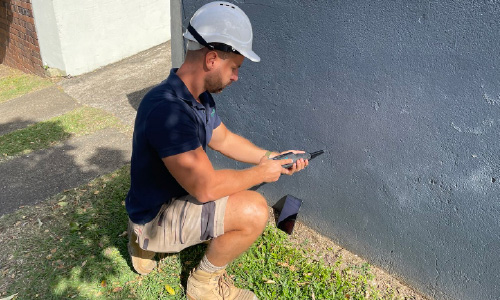
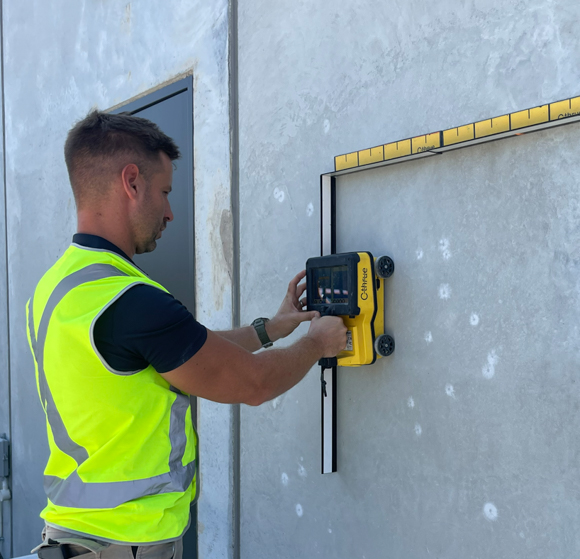
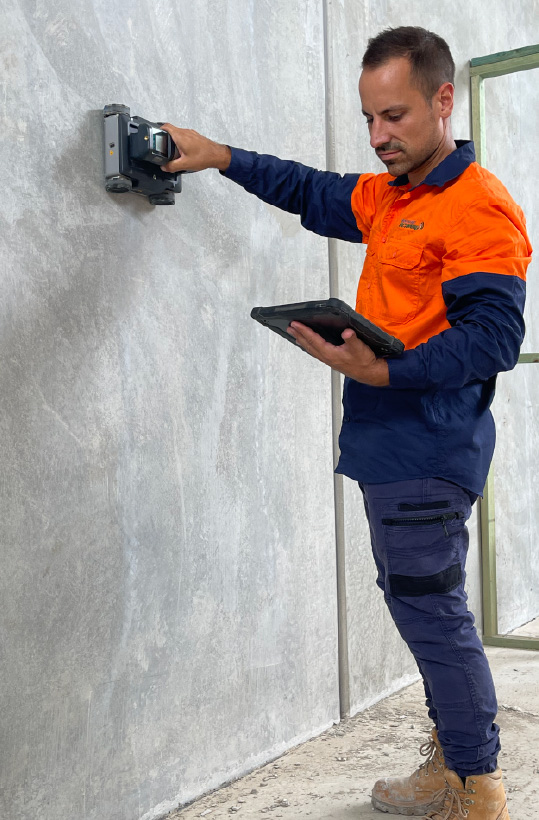
In addition to DBYD, on-site surveys can help identify potential risks and provide precise locations for excavation. Professional surveyors use a combination of ground-penetrating radar (GPR), electromagnetic detection, and other technologies to locate buried utilities. These surveys are especially valuable for complex projects or areas where infrastructure maps may be outdated or incomplete.
Utility Locating Services
Specialist contractors offer utility locating services using advanced detection equipment. These professionals can trace cables, pipes, and conduits with high accuracy, providing marked locations on-site. Hiring a qualified utility locator is particularly important for large-scale or high-risk projects, ensuring that all underground services are clearly identified before work begins.
Best Practices During Excavation
Plan and Mark
Once underground services are identified, mark their locations clearly before excavation. Use colour-coded flags, spray paint, or stakes to indicate water, gas, electricity, and telecommunication lines. Clear marking ensures that everyone on-site is aware of potential hazards and reduces the risk of accidental strikes.
Hand Digging Near Services
When excavation is required near identified underground services, use hand tools rather than machinery to avoid accidental damage. Carefully exposing pipes or cables allows you to work safely without putting yourself or the infrastructure at risk. This approach is particularly important for shallow or fragile utilities.
Maintain Communication
Keep open communication with utility companies, contractors, and your team throughout the excavation process. Notify relevant parties if any services are accidentally struck, and follow recommended procedures to minimise hazards. Maintaining a safety-first mindset ensures that any unexpected issues are managed promptly and effectively.
Benefits of Checking Underground Services
Safety Assurance
Checking underground services reduces the risk of injury or death by preventing accidental contact with hazardous utilities. It protects workers, homeowners, and neighbours, creating a safer construction or landscaping environment.
Cost Savings
Investing time and resources into identifying services upfront prevents expensive repairs, project delays, and potential fines. The cost of checking services is negligible compared with the financial impact of damaging infrastructure.
Efficient Project Planning
Knowing the location of underground services allows you to plan excavation, construction, and landscaping efficiently. You can choose appropriate machinery, adjust the project layout, and coordinate timing to avoid conflicts with utilities. This planning minimises delays and ensures smoother project execution.
Environmental Protection
Accidental damage to water, sewer, or stormwater systems can lead to environmental contamination, flooding, or erosion. Checking services beforehand ensures that excavation projects do not negatively impact the surrounding environment or local ecosystems.
Conclusion
Excavation is a common part of construction, landscaping, and home improvement projects in Sydney, but it carries significant risks if underground services are not properly identified. From water pipes and gas lines to electrical cables and telecommunication networks, buried infrastructure is essential for daily life and can be dangerous if disrupted. Checking underground services before digging is not just a safety measure—it is a legal, financial, and environmental imperative.
By using services like Dial Before You Dig NSW, conducting site surveys, and employing utility locating professionals, homeowners and contractors can ensure their projects proceed safely and efficiently. Following best practices during excavation, such as careful planning, marking, and hand digging near sensitive areas, further reduces the risk of accidents.
Ultimately, understanding and respecting the presence of underground services protects people, property, and the environment while enabling successful excavation and construction projects. A small investment in preparation can save lives, money, and time, making it an essential step for anyone planning to dig in Sydney.