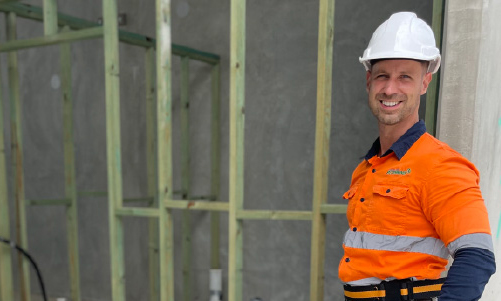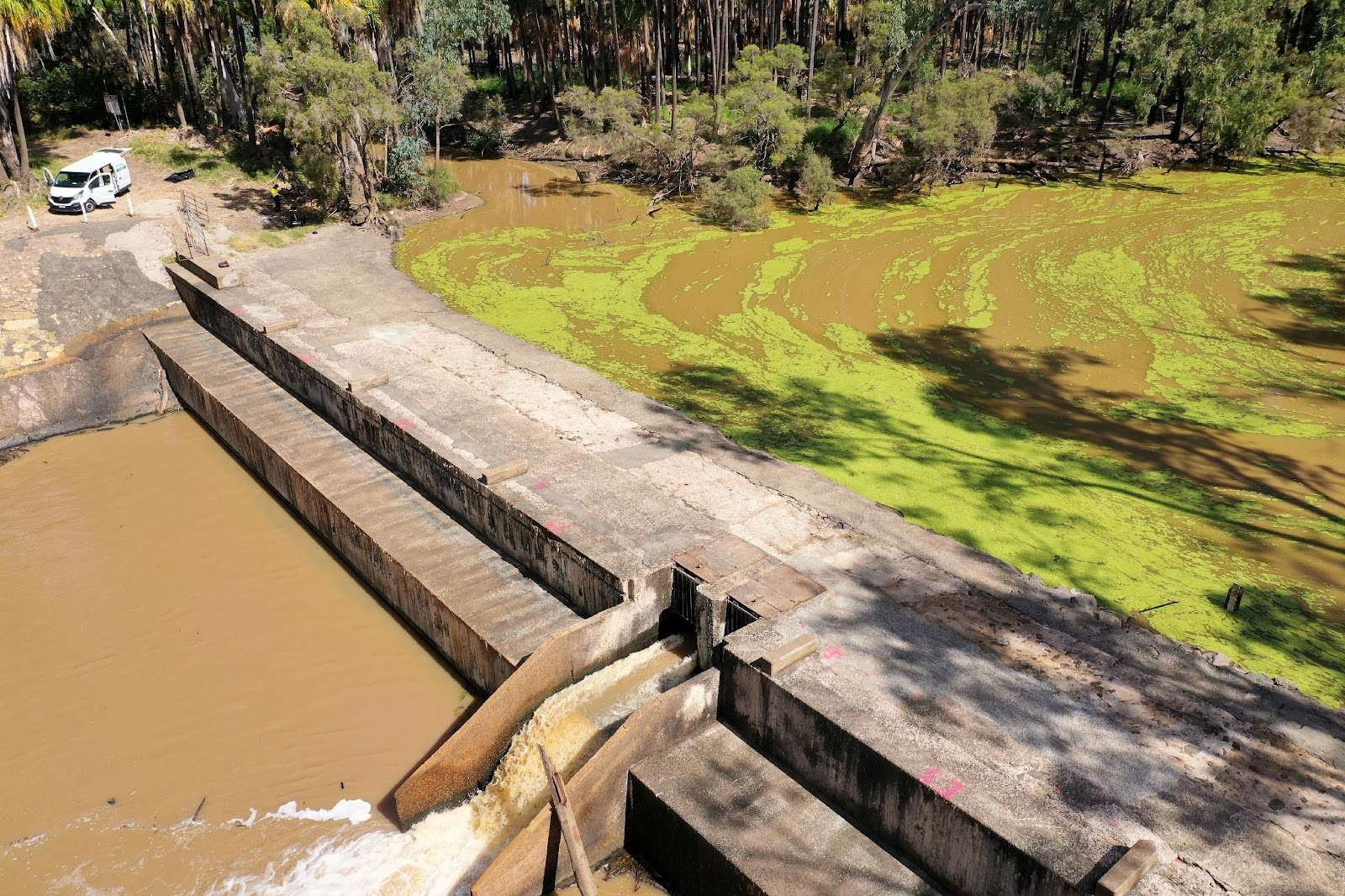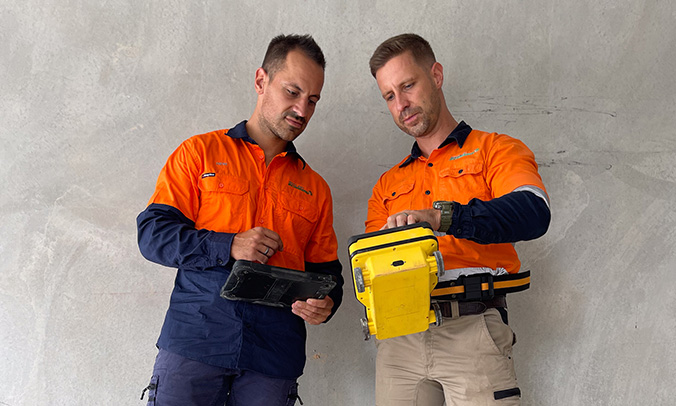
Concrete cutting plays a critical role in construction, renovation, and infrastructure projects across Australia. From residential renovations to large-scale commercial developments, precise concrete cutting allows builders and contractors to modify existing structures without compromising safety or structural integrity. As construction standards continue to evolve, professional concrete cutting has become an essential service for achieving clean, accurate results while minimising disruption.
What Is Concrete Cutting?
Concrete cutting is a specialised process used to cut, saw, drill, or remove concrete, reinforced concrete, masonry, and asphalt. Unlike traditional jackhammering methods, modern concrete cutting uses advanced equipment such as diamond saws and core drills to achieve clean, controlled cuts with minimal vibration.
This precision makes concrete cutting ideal for tasks such as creating openings for doors and windows, cutting expansion joints, removing damaged slabs, or installing plumbing and electrical services. The result is a cleaner finish, reduced structural stress, and a safer work environment.
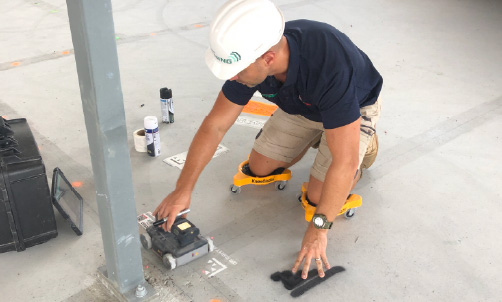
Common Applications of Concrete Cutting
Concrete cutting is used across a wide range of residential, commercial, and civil projects. Because each project presents unique challenges, concrete cutting requires careful planning and skilled execution to ensure accuracy and compliance with safety standards. Common applications include:
- Cutting concrete slabs for renovations or extensions
- Creating openings for stairwells, lift shafts, or service penetrations
- Removing sections of concrete for plumbing or drainage upgrades
- Road and pavement cutting for infrastructure works
- Concrete wall cutting for structural modifications
The Importance of Precision in Concrete Cutting
Precision is one of the most important aspects of concrete cutting. Inaccurate or poorly executed cuts can weaken surrounding structures, increase repair costs, and delay projects. Modern diamond cutting techniques allow operators to follow exact measurements, reducing the risk of cracking or unintended damage.
Precision also improves efficiency. Clean cuts mean less time spent on finishing work, reduced material waste, and faster project completion. For builders and contractors working to tight schedules, this level of accuracy is invaluable.
Safety Considerations When Cutting Concrete
Concrete cutting involves heavy machinery, airborne dust, and potential exposure to embedded reinforcement or services. Without proper safety measures, the risks can be significant. Key safety considerations include:
- Dust suppression to minimise silica exposure
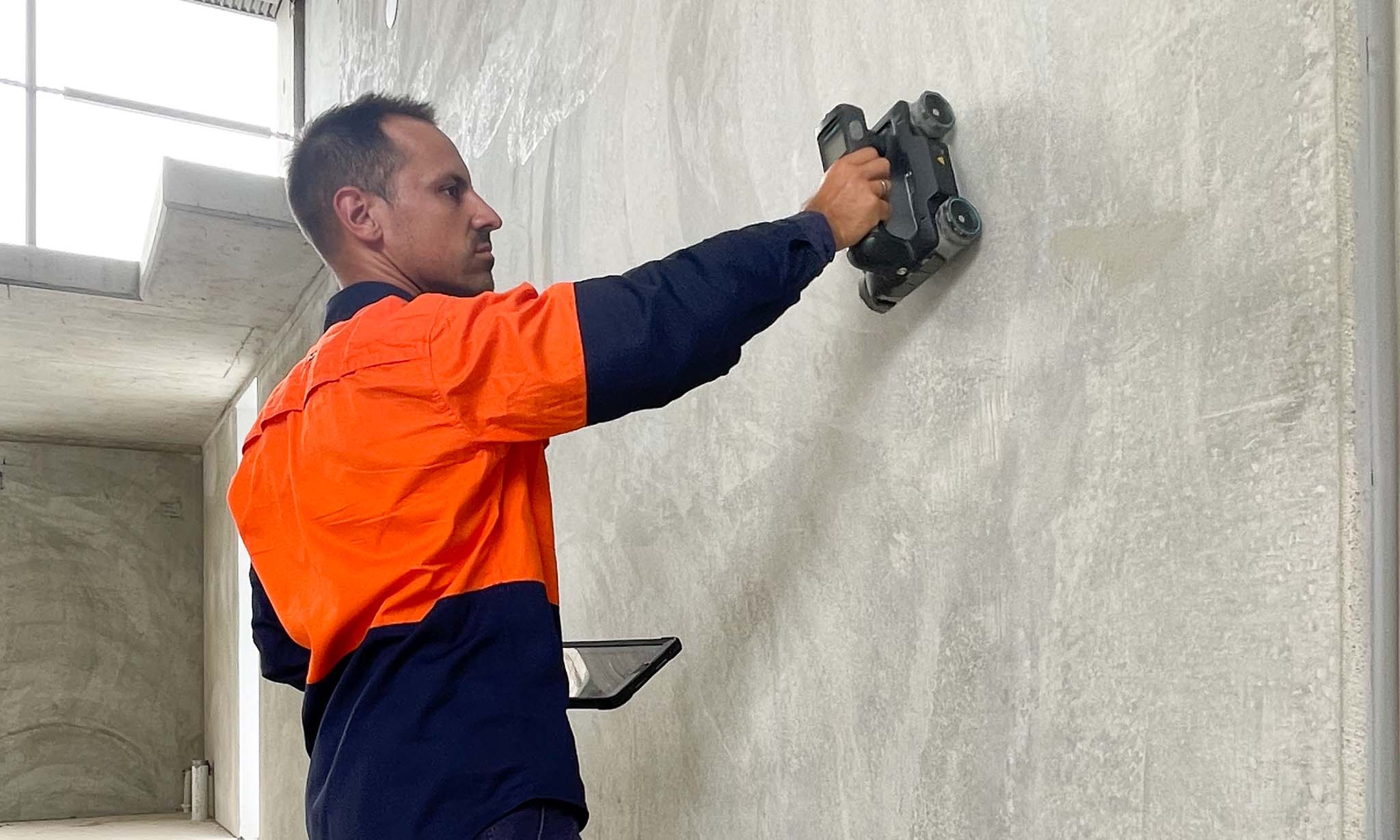
- Identifying embedded steel, cables, or pipes before cutting
- Using appropriate personal protective equipment (PPE)
- Ensuring equipment is operated by trained professionals
- Following workplace health and safety regulations
Concrete Cutting vs Traditional Methods
In the past, concrete removal often relied on jackhammers and demolition tools. While effective in some situations, these methods can cause excessive vibration, noise, and damage to surrounding structures.
Modern concrete cutting offers several advantages over traditional techniques:
Planning Before Concrete Cutting
Before any concrete cutting begins, careful planning is essential. This includes reviewing structural plans, identifying load-bearing elements, and confirming the location of embedded services. Failure to plan properly can result in costly mistakes or safety risks.
Planning also involves selecting the right cutting depth, blade type, and technique based on the concrete thickness and reinforcement. Thorough preparation reduces downtime on-site and ensures cutting works integrate seamlessly with the wider construction schedule.
Environmental and Site Benefits
Concrete cutting is not only safer and more precise but also more environmentally responsible than traditional demolition. Reduced dust, noise, and vibration minimise the impact on surrounding properties and occupants, particularly in residential or commercial environments.
Cleaner cuts allow concrete sections to be removed more efficiently, supporting recycling and responsible waste management. On active worksites, reduced disruption helps projects stay on schedule while maintaining positive relationships with neighbours, tenants, and stakeholders.
When to Use Professional Concrete Cutting Services
While small DIY projects may seem manageable, concrete cutting is not a task suited to inexperienced operators. Professional services bring the expertise, equipment, and safety knowledge required to handle complex cutting jobs.
For projects involving structural concrete, reinforced slabs, or commercial environments, professional concrete cutting is essential to meet safety, quality, and compliance standards. Companies such as South East Scanning provide concrete cutting services designed to deliver precise results while prioritising safety and efficiency on-site.


Choosing the Right Concrete Cutting Approach
Different projects require different cutting techniques. Common methods include:
- Floor sawing for slabs and pavements
- Wall sawing for vertical surfaces and structural openings
- Core drilling for service penetrations
Wire sawing for large or irregular concrete sections
Selecting the right approach ensures clean results while minimising time, cost, and disruption. An experienced operator can assess site conditions and recommend the most effective solution.
Concrete Cutting in Residential vs Commercial Projects
Concrete cutting requirements can vary significantly between residential and commercial projects. In residential settings, concrete cutting is often required for renovations, extensions, driveways, or plumbing upgrades. These projects typically involve tighter access, proximity to occupied spaces, and the need to minimise noise and disruption for homeowners and neighbours. Precision and cleanliness are especially important to maintain the integrity and appearance of the surrounding structure.
In commercial and industrial environments, concrete cutting is often more complex. Projects may involve thicker slabs, reinforced concrete, or structural elements that require detailed planning and specialised equipment. Cutting work in these settings must align with strict safety protocols, building regulations, and project timelines, often while other trades are operating on-site.
Regardless of scale, both residential and commercial concrete cutting benefit from professional expertise. Correct cutting methods help avoid unnecessary structural stress, reduce downtime, and ensure the project progresses smoothly. Understanding the differences between these environments allows contractors to choose the most effective cutting approach, ensuring consistent results across all types of worksites.
Conclusion
Concrete cutting is a vital part of modern construction and renovation, offering precision, safety, and efficiency that traditional methods simply cannot match. From residential upgrades to major infrastructure works, professional concrete cutting ensures structural integrity is maintained while achieving clean, accurate outcomes.
With proper planning, skilled execution, and the right equipment, concrete cutting reduces risks, shortens project timelines, and improves overall build quality. Whether modifying an existing structure or preparing for new installations, investing in professional concrete cutting is a smart decision that delivers long-term value, compliance, and peace of mind.
Need Concrete Cutting services for your project? Get in touch with South East Scanning for a Free and Easy, No-Obligation Quote.