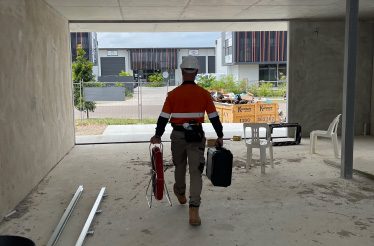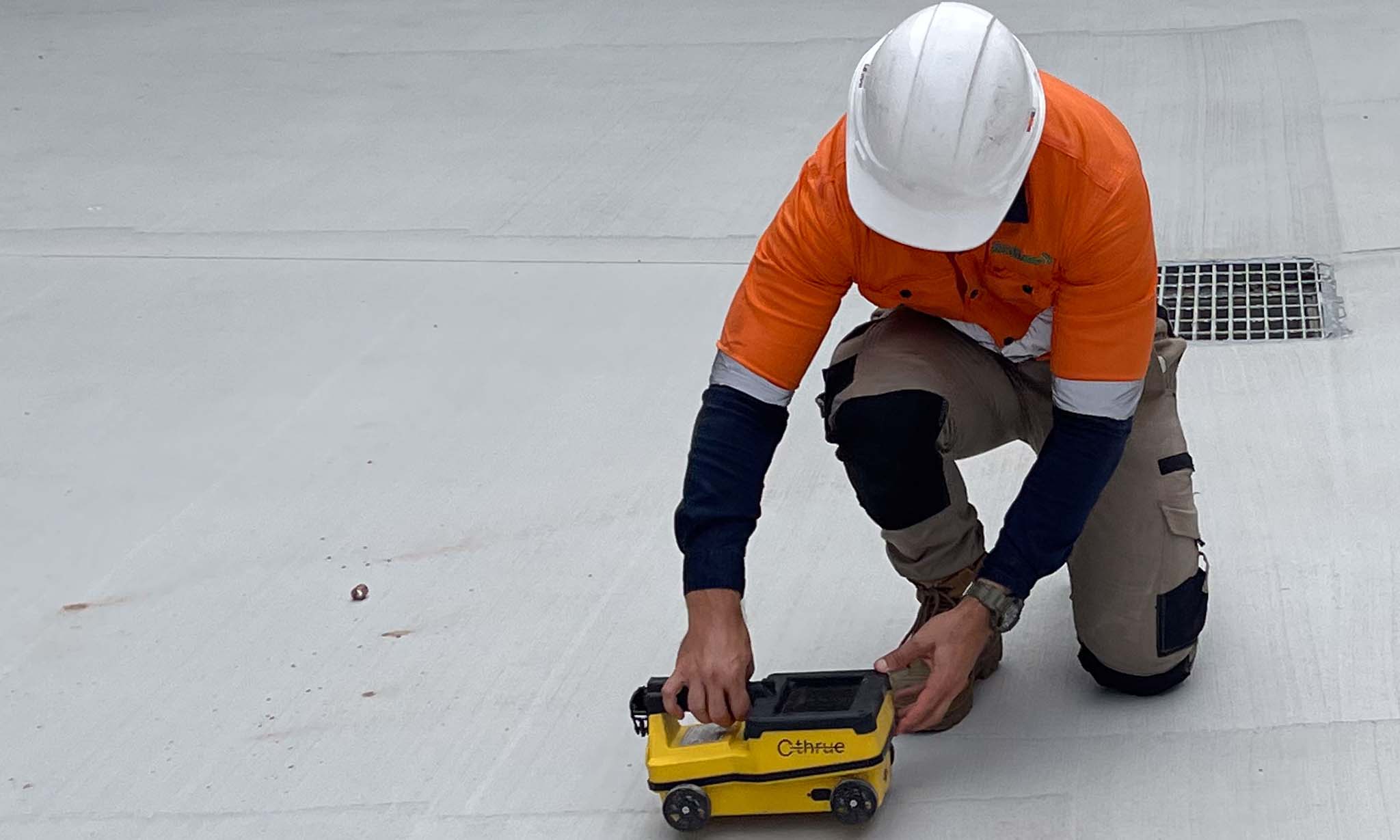
Excavation work may seem straightforward—digging a trench, installing pipes, or preparing a site for construction—but the reality is far more complex. Beneath the surface lies a hidden network of pipes, cables, and other infrastructure that, if damaged, can cause costly delays, safety hazards, and legal complications. This is where Dial Before You Dig (DBYD) comes into play, serving as an essential service for homeowners, builders, and contractors alike.
What is Dial Before You Dig?
Dial Before You Dig is a free, nationwide service in Australia designed to prevent accidental damage to underground infrastructure. Whether you’re planning a small landscaping project, installing a fence, or undertaking major construction, DBYD allows you to check what lies beneath your site before any digging begins.
The process is simple: you submit an enquiry either online or via phone, providing details about your proposed excavation site. DBYD then coordinates with registered utility companies and asset owners to provide maps, plans, or guidance highlighting the location of underground assets. This ensures that your work can proceed safely, efficiently, and responsibly.
For professional support, companies like South East Scanning provide comprehensive DBYD services. They help homeowners and businesses locate underground infrastructure accurately, offering guidance on safe excavation practices and ensuring that projects comply with safety regulations.
The Risks of Not Checking Before Digging
Failing to check with DBYD can have serious consequences. Underground infrastructure includes gas pipelines, electricity cables, water mains, telecommunications lines, and sewer systems. Hitting one of these can lead to:
- Personal Injury: Striking a gas line or live electrical cable can cause severe injuries or even fatalities.
- Property Damage: Damaging infrastructure can destroy property or equipment, leading to costly repairs.
- Service Disruptions: Accidental damage can interrupt essential services like power, water, or internet, affecting both local communities and businesses.
- Legal Consequences: Liability for damage may result in fines, compensation claims, or regulatory action.
- Project Delays: Unplanned repairs and investigations can stall your project, increasing costs and timelines.
Even a small excavation project can turn into a major problem if proper precautions are not taken.
How Dial Before You Dig Works
The process is designed to be easy and accessible for everyone:
1. Submit Your Enquiry
Provide the location of your project, the type of work you’ll be doing, and any relevant details.
2. Receive Notifications
DBYD contacts asset owners and utility companies, who then review the request.
3. Access Plans and Advice
You receive maps or guidelines showing the location of underground assets, plus safety recommendations.
4. Plan and Dig Safely
With the information in hand, you can plan your excavation to avoid hitting infrastructure.
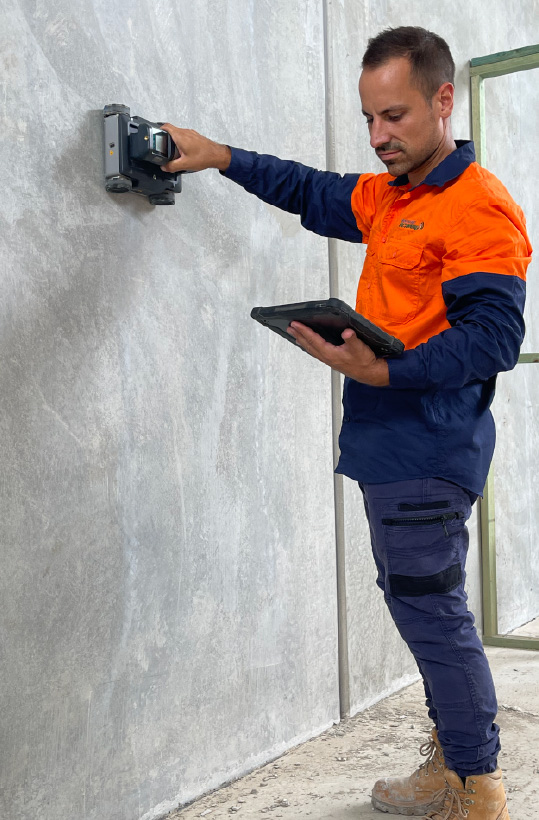
Companies like South East Scanning streamline this process further. They not only submit and manage DBYD enquiries but also provide additional scanning services to identify buried utilities with high precision, helping to reduce the risk of accidental strikes.
DBYD and Construction Compliance
In Australia, compliance with safety standards is critical. For builders, landscapers, and contractors, using DBYD is often a legal requirement under workplace health and safety legislation. Ignoring it could result in breaches of law, hefty fines, and insurance complications.
By consulting DBYD—and utilising services like those offered by South East Scanning—companies demonstrate due diligence and a commitment to safety. This proactive approach protects workers, the community, and the business itself from potential legal and financial consequences.
The Environmental and Community Benefits
Beyond safety and compliance, DBYD also supports environmental and community considerations. Striking a sewer line or stormwater pipe can cause contamination and environmental harm. Similarly, damaging fibre-optic cables or water mains can disrupt essential community services.
By consulting DBYD services, and with professional assistance from South East Scanning, excavators reduce the risk of environmental damage, contributing to more sustainable and responsible construction practices. It’s a small step that benefits everyone, from project managers to neighbours and the broader community.
Common Myths About Dial Before You Dig
Despite its importance, some people believe that DBYD is only necessary for large construction projects or urban areas. Dispelling these myths is vital. Every excavation, no matter the size, carries risks that DBYD can help mitigate, especially when supported by professional scanning services. This is not true:
Myth 1: “It’s only for builders.”
Homeowners, landscapers, and even small DIY projects should use DBYD to avoid accidents.
Myth 2: “I can just dig carefully.”
Underground infrastructure isn’t always visible or predictable. Even shallow digging can strike critical services.
Myth 3: “It takes too long.”
The DBYD process is efficient. Most enquiries are processed quickly, providing maps and advice within days, not weeks.
Tips for Safe Excavation
Even after consulting DBYD, safe excavation practices remain essential. Some key tips include:
- Mark the Area Clearly – Use stakes, paint, or flags to mark where digging will occur.
- Hand Dig Near Utilities – Where maps indicate asset locations, dig by hand rather than with machinery to reduce risk.
- Check Before Every Project – DBYD information is specific to the time and location of your enquiry. Don’t assume previous maps apply.
- Maintain Communication – Inform workers or contractors about potential hazards and follow all safety guidelines.
- Report Incidents Immediately – If an asset is damaged, contact the relevant utility company immediately. Prompt reporting can prevent further harm and reduce liability.
Conclusion
Dial Before You Dig is more than a regulatory requirement—it’s a vital safety practice. From protecting lives to preventing costly damage and ensuring compliance, using DBYD before any excavation is a responsible step that every homeowner, contractor, and landscaper should take.
With the support of South East Scanning, you can locate underground infrastructure accurately, plan projects safely, and comply with legal and environmental standards. Whether you’re installing a backyard pool, planting a tree, or undertaking a major construction project, a simple enquiry to DBYD, coupled with professional scanning, can save time, money, and potential disaster.
Digging without checking is a gamble no one should take. Make Dial Before You Dig, and professional scanning support from South East Scanning, part of every project to ensure that every shovel hits soil safely, responsibly, and with peace of mind.
Contact South East Scanning For Your Free Dial Before You Dig Quote Today.