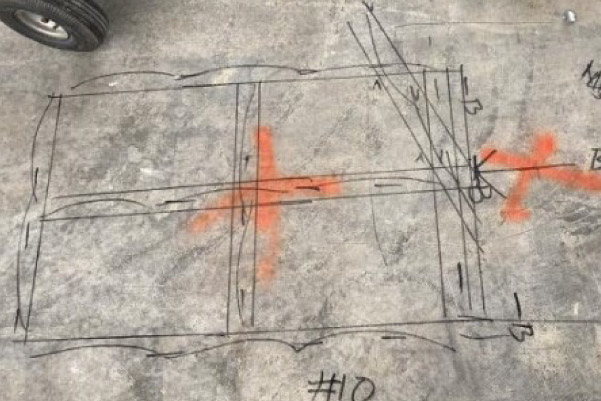
Concrete slabs form the structural backbone of many residential, commercial, and industrial buildings — from foundations and floors to parking structures and balconies. What lies inside these slabs, however, is often far more complex than the solid surface suggests. Beneath the exterior can be a network of reinforcement, cables, conduits, and other embedded materials that are critical to structural integrity and functionality, yet invisible to the naked eye. Professional concrete scanning has become an essential solution for identifying these hidden hazards early and preventing costly mistakes.
Concrete alone is extremely strong under compression but relatively weak when subjected to tension. To overcome this limitation, engineers embed reinforcement and service systems inside slabs during construction — improving structural strength and allowing buildings to function efficiently.
However, once the concrete cures, these elements become completely invisible from the outside. Without specialised equipment, it is nearly impossible to know exactly where they are located. Any drilling, cutting, or coring work therefore carries significant risks if the internal structure is not properly identified first.
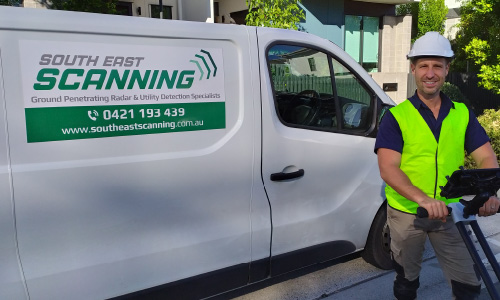
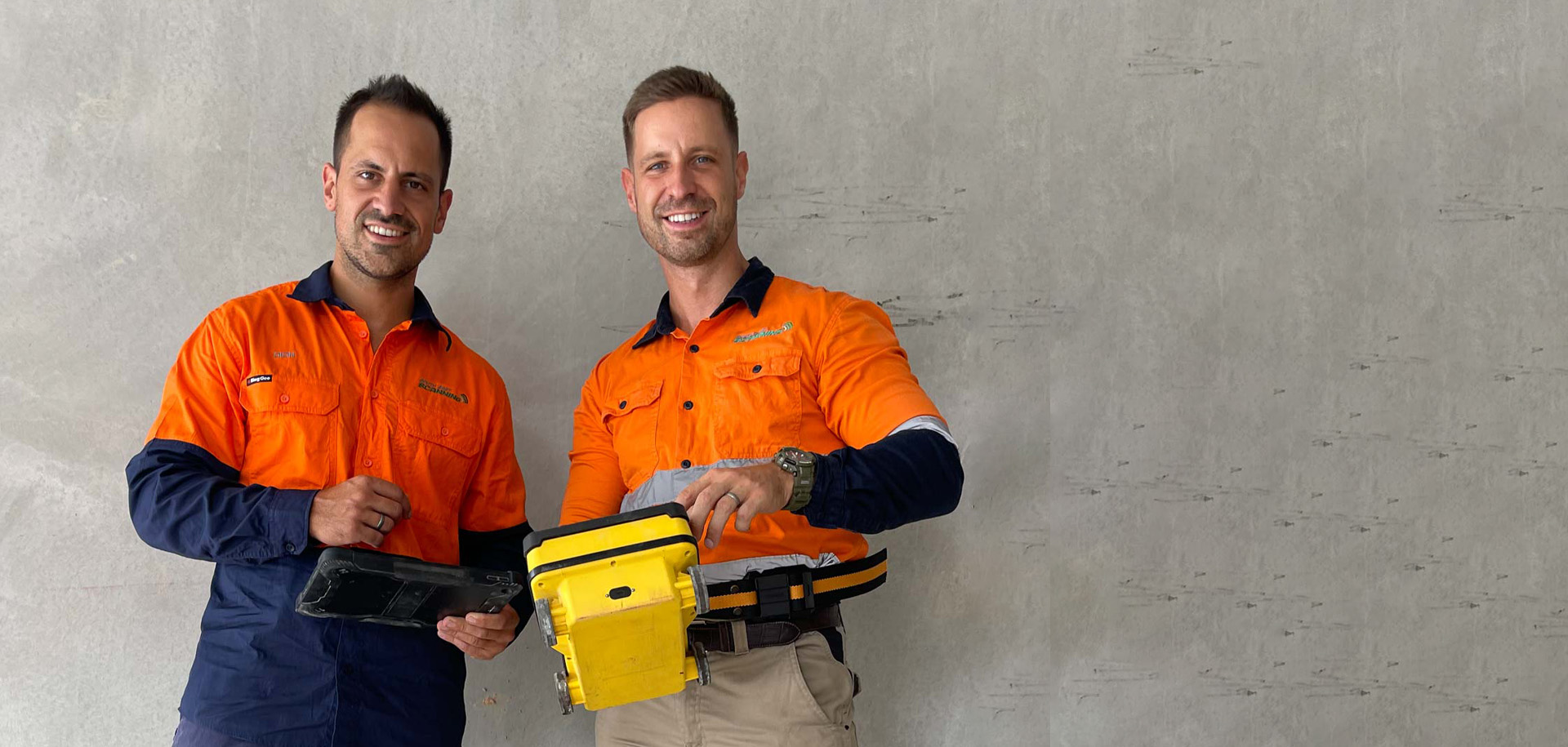 South East Scanning — On-Site Specialists
Understanding the types of embedded materials inside concrete helps explain why professional scanning is so important before any construction or renovation work begins.
Reinforcing Steel (Rebar)
Arranged in grid patterns throughout the slab to strengthen concrete and prevent cracking. Cutting through rebar can compromise structural integrity and may require engineering remediation.
Post-Tension Cables
High-strength cables tensioned after the concrete hardens. They are under extreme compressive force — accidentally cutting one causes violent energy release and serious safety hazards. Learn more about locating PT cables before cutting.
Electrical Conduits
Embedded conduits carry wiring for lighting, power, and communications. Drilling into a live conduit risks power outages, equipment damage, electrical shock, and fire.
Plumbing & Service Lines
Water supply, drainage, and service lines can be embedded within floor slabs. Striking a pipe causes water leaks, flooding, and significant repair costs.
Voids & Structural Inconsistencies
Construction errors, air pockets, or deterioration can create hidden voids within slabs. These weaknesses reduce strength and create unexpected challenges during construction work. See how void detection prevents foundation failures.
Building drawings can be helpful but are not always accurate. Design changes during construction, modifications during renovations, incomplete documentation in older buildings, and differences between planned and actual installation all mean that physical scanning is far more reliable than relying solely on plans.
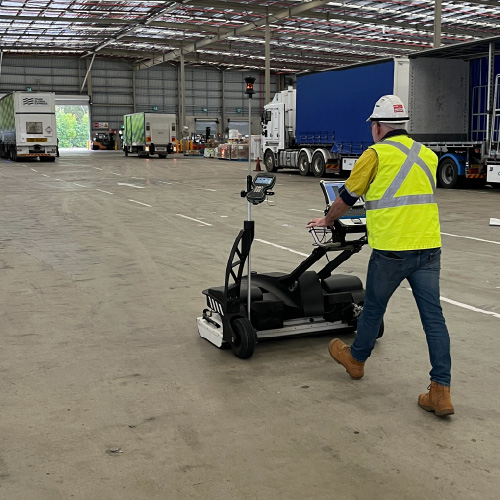
Professional concrete scanning uses specialised technology to detect objects hidden within slabs. The most widely used method is Ground Penetrating Radar (GPR), which provides real-time imaging of the internal structure — without any damage to the concrete.
Ground Penetrating Radar (GPR)
GPR sends high-frequency electromagnetic waves into the concrete. When these waves encounter embedded objects — steel, conduits, voids — they bounce back to the scanning device, which interprets the signals into a real-time visual map of what lies beneath.
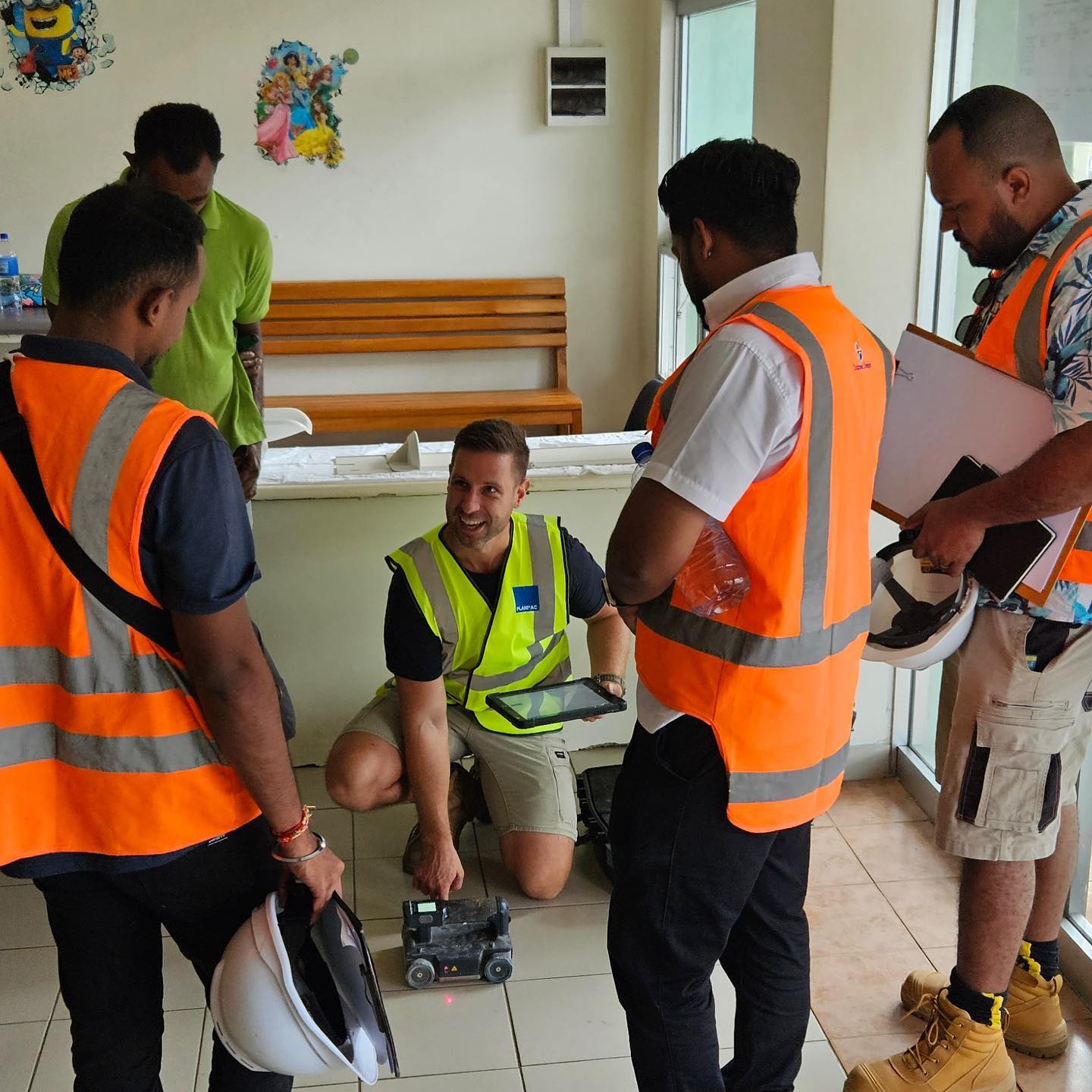 GPR Scanning in Action
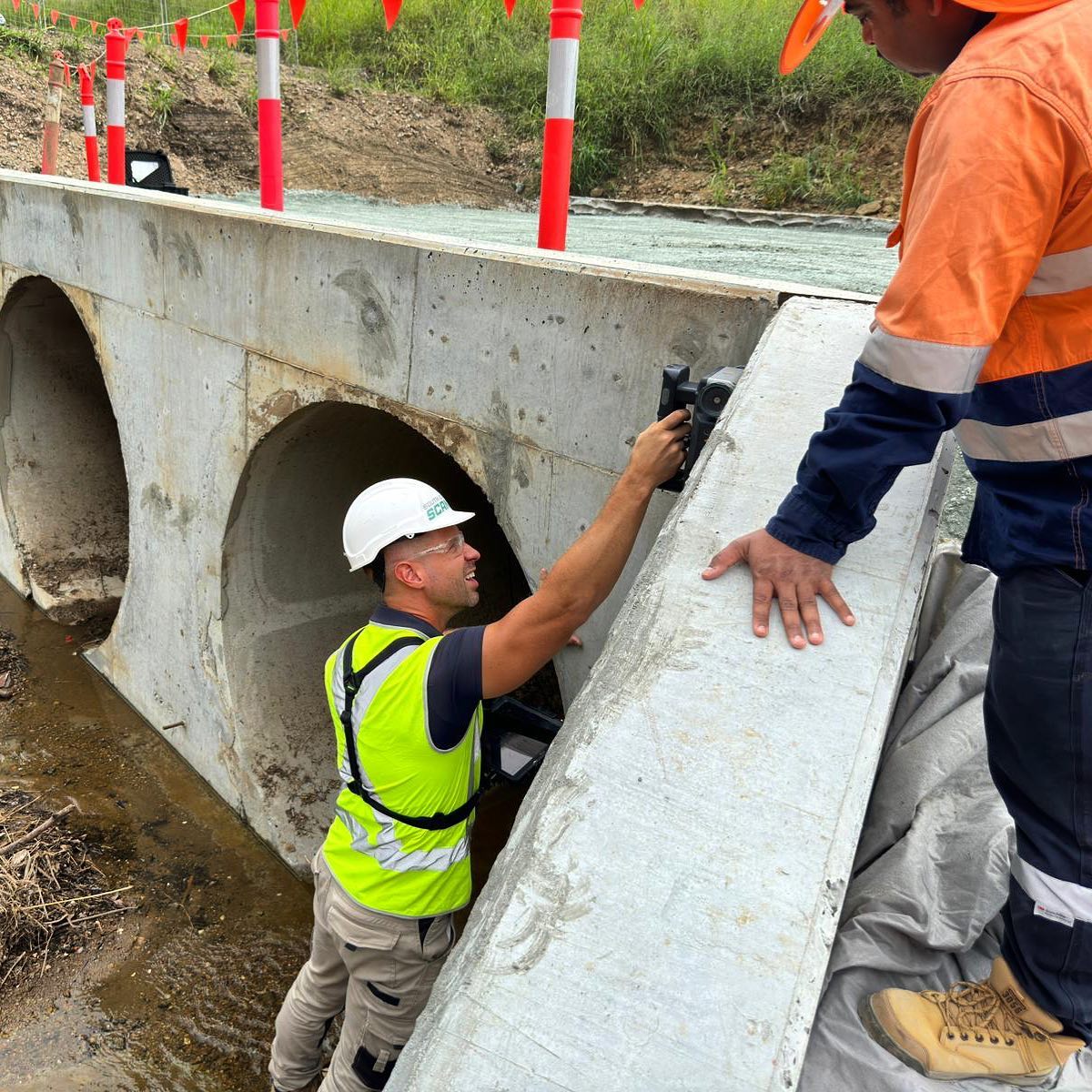 Reading the Subsurface Data
Although scanning is beneficial for many construction tasks, there are certain situations where it becomes especially critical to safety and project outcomes. For renovation work in particular, a concrete slab inspection before any cutting or drilling is strongly recommended.
Renovation Projects
Core Drilling & Penetrations
Concrete Cutting & Sawing
Service Upgrades & Retrofits
Structural Alterations
Identifying hidden risks in concrete slabs before construction work begins provides several important advantages for builders, contractors, and building owners. This is especially true when planning concrete cutting or structural work on existing slabs.
Enhanced Safety
Detecting hazards early protects workers from electrical shocks, violent cable releases, and other dangerous incidents.
Reduced Structural Damage
Avoiding reinforcement and post-tension cables helps maintain slab integrity and prevents structural weakening.
Lower Repair Costs
Preventing accidental damage eliminates expensive repairs, structural assessments, and project delays.
Improved Efficiency
When builders know exactly where to drill or cut, work proceeds faster and with far greater confidence.
Concrete slabs may appear solid and straightforward, but they often conceal a complex network of reinforcement and services. Rebar, post-tension cables, electrical conduits, and plumbing lines are all essential components hidden beneath the surface — and without proper detection, cutting or drilling into a slab can lead to serious safety hazards, structural damage, and expensive delays. For complex structures, structural investigation and analysis may also be recommended alongside scanning.
Professional concrete scanning provides a reliable solution by revealing these hidden risks before work begins. Using advanced Ground Penetrating Radar technology, South East Scanning specialists accurately locate embedded objects and mark safe working areas — so your project proceeds safely and efficiently every time. You can also read more about how concrete scanning prevents costly construction mistakes on our blog.
Get in touch with South East Scanning today — we'll identify what's hidden before you cut, drill, or core.