
See What's Happening Beneath Your Pool Before It Becomes a Problem
Concrete pools and aquatic centres are constantly exposed to water, chemicals, and environmental loading. We use Ground Penetrating Radar and other non-destructive testing methods to identify structural issues below the surface — without cutting, coring, or disrupting your facility.
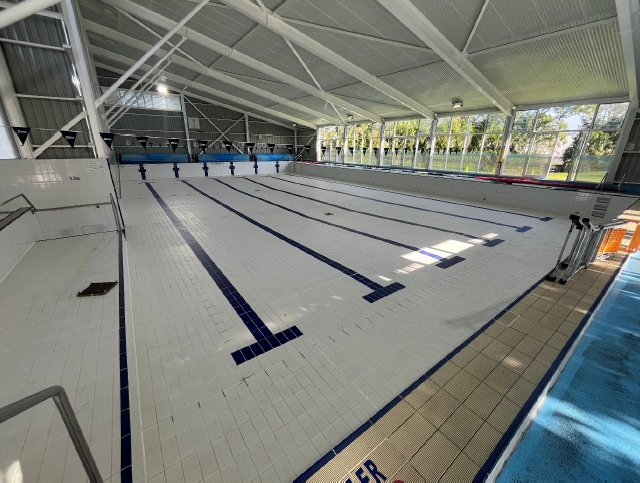
Concrete pools face constant water, chemical, and environmental loading over their service life.
Trusted Across South East Queensland
5-star rated by builders, engineers, and contractors across Brisbane, the Sunshine Coast, and regional service areas.

Understanding What's Happening Below the Surface
Constant exposure to water, chemicals, and environmental loading can lead to structural deterioration, cracking, voids beneath slabs, or hidden defects within the concrete — often long before any of it is visible from the surface. South East Scanning provides non-destructive inspections of swimming pools and aquatic facilities to identify these issues before they become major problems.
Non-Destructive Scanning
GPR and NDT scanning of pool slabs, concourses, and adjacent structures.
Void Detection
Identifying areas where voids may exist beneath the concrete.
Moisture & Reinforcement
Detecting moisture-related deterioration and mapping reinforcement.
Combined Assessment
Subsurface scanning combined with visual assessment of structural behaviour.
What We Investigate
For aquatic centres, investigations often extend well beyond the pool itself, to the surrounding infrastructure that supports it.
- Pool SlabsThe primary structural shell — scanned for voids, cracking, and reinforcement condition.
- Surrounding ConcoursesAdjacent concrete slabs are checked for subsurface voids and moisture-related deterioration.
- Balance Tanks & Drainage SystemsSupporting infrastructure investigated as part of a full aquatic centre assessment.
- Plant Areas & Adjacent StructuresExtended scope for facilities where settlement or cracking has been observed nearby.
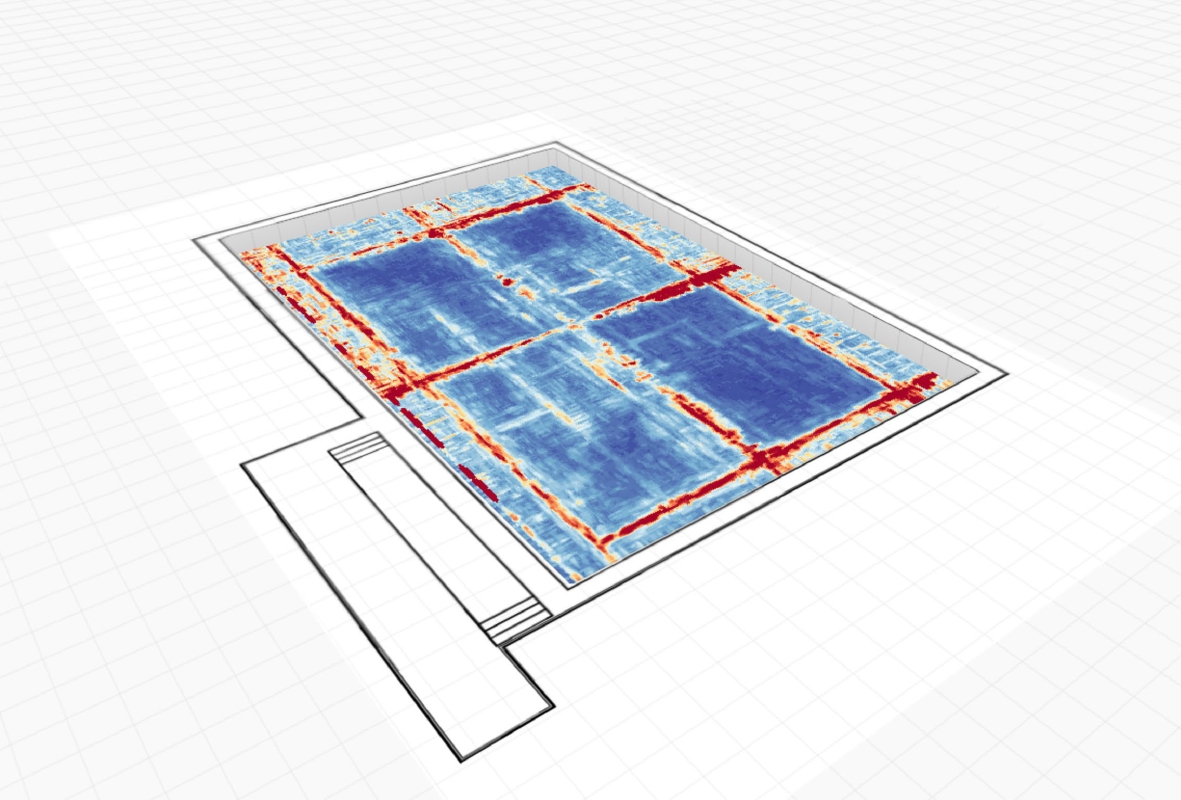
GPR 3D Visualisation — Subsurface Conditions Beneath Pool Slab
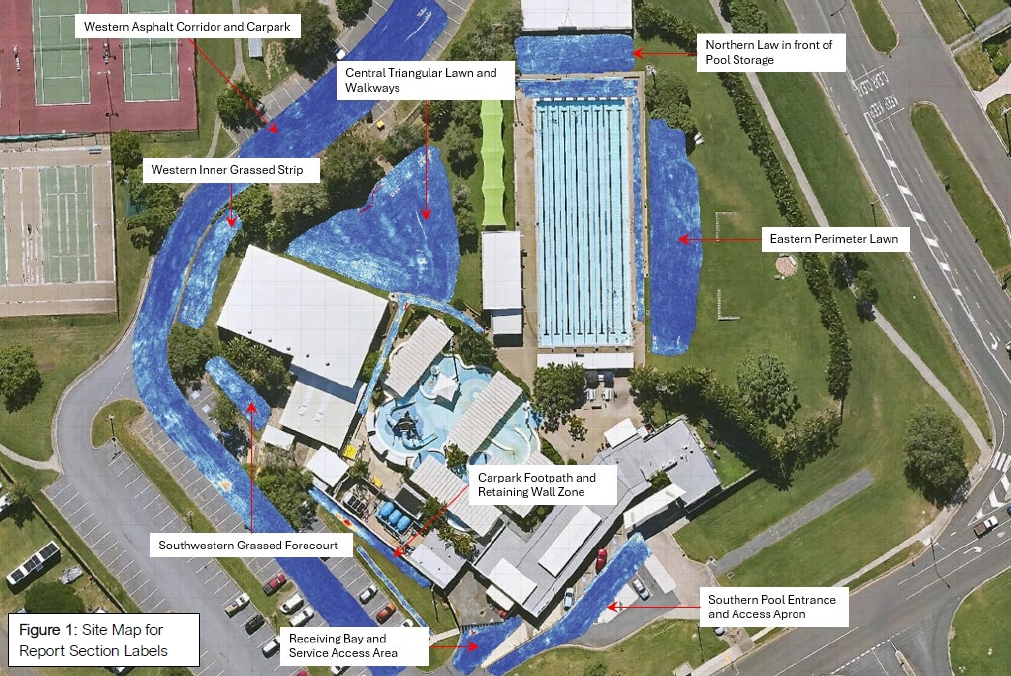
How We Map the Site
Each area investigated is recorded and labelled against the site layout, so findings can be clearly cross-referenced back to their physical location.
Typical Investigation Zones
- Pool slab & structural shell
- Concourse & surrounding slabs
- Balance tanks & drainage systems
- Plant areas & adjacent structures
- Areas of visible settlement or cracking
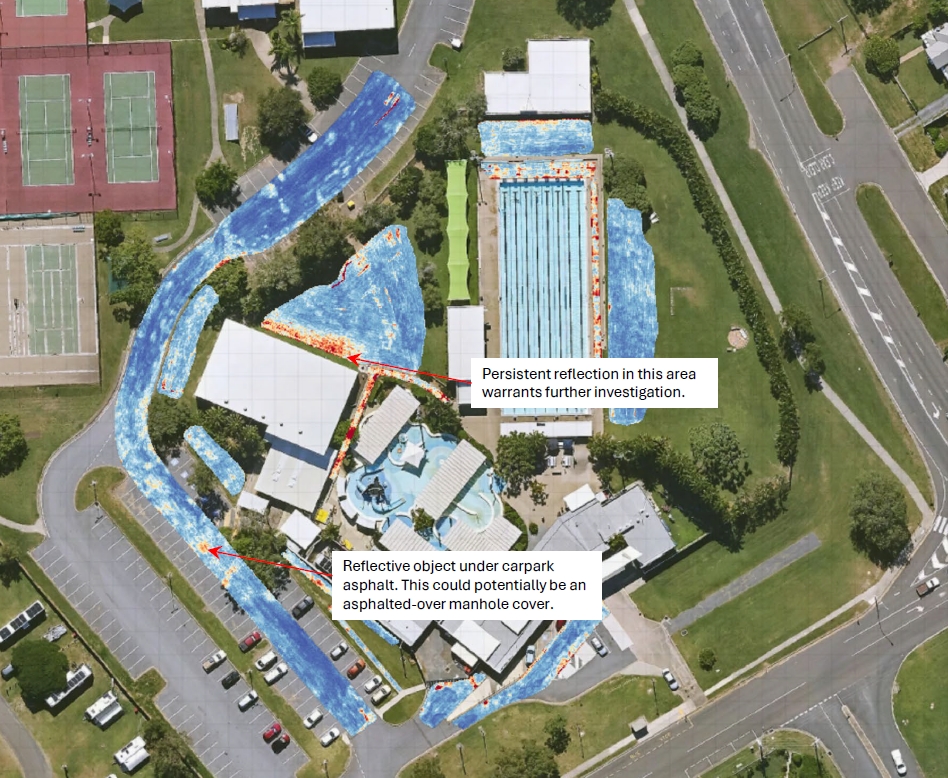
Real Sites, Real Scans
A snapshot of recent GPR and structural assessment work on aquatic infrastructure across South East Queensland.
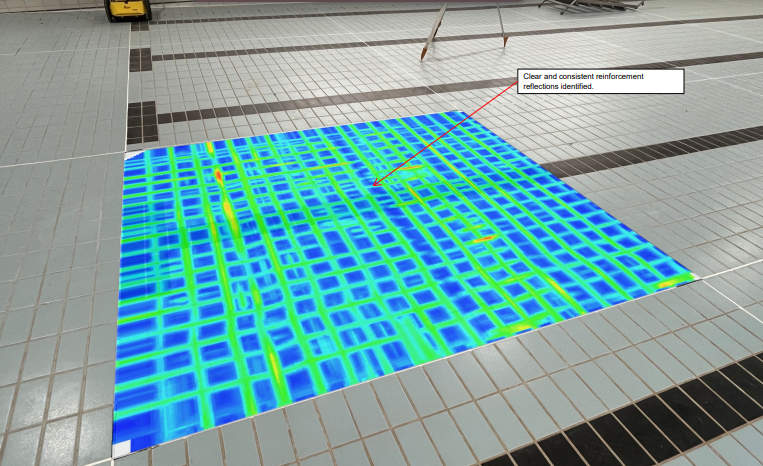
Warwick Aquatic Centre
GPR scanning and structural assessment ahead of civil works.
- Identified embedded services, reinforcement, and structural elements before any intrusive works began
- Precise locations were provided to help avoid damaging hidden infrastructure
Get Your Facility Assessed
Enquiries go straight to our team — no call centres, no automated queues.
Who This Is For
If you're responsible for a pool or aquatic facility's structural condition, this assessment is built around your needs.
What You Receive
- A clear investigation report combining scan findings with visual structural assessment
- A labelled site plan showing exactly which areas were scanned and where findings were located
- Interpretation of GPR and NDT data, including any suspected voids, moisture-related deterioration, or reinforcement mapping
- Guidance on whether further investigation or remediation is warranted
- Reporting suitable for engineers, facility managers, and long-term maintenance planning
Recent projects have included investigations at regional aquatic facilities where visible settlement, cracking, or suspected subsurface voids required further examination.
Frequently Asked Questions
-
We scan pool slabs, surrounding concourses, and adjacent structures using Ground Penetrating Radar and other non-destructive testing methods. This is combined with a visual assessment of structural behaviour to help identify voids, moisture-related deterioration, and reinforcement condition within the structure.
-
Yes. GPR and other non-destructive testing methods allow us to investigate below the surface without cutting, coring, or otherwise disrupting the pool or surrounding structure — meaning your facility can often remain in use during the assessment.
-
GPR can help identify areas where voids may exist beneath the concrete, detect signs of moisture-related deterioration, and map reinforcement within the structure. Findings are cross-referenced with a visual assessment to build a fuller picture of structural condition.
-
For aquatic centres, yes. Investigations can extend to surrounding infrastructure such as balance tanks, drainage systems, plant areas, and surrounding concourse slabs — particularly where settlement or cracking has been observed nearby.
-
Facility managers, aquatic centre operators, consulting engineers, body corporates and councils, builders and contractors, and insurers or asset managers — anyone responsible for understanding a pool or aquatic facility's structural condition.
-
You'll receive a clear investigation report, including a labelled site plan and interpretation of the findings, to help you and your engineer or facility team determine whether further investigation or remediation is required.
Know What's Beneath Your Pool
A non-destructive assessment now can save weeks of guesswork later. Get in touch and we'll scope your site.
Servicing pools and aquatic facilities across South East Queensland.