
Why Moisture Testing Matters
Excess moisture within concrete slabs can cause serious — and expensive — problems for flooring systems, adhesives, coatings, and structural finishes. When not identified before flooring installation or remedial works, the consequences include bubbling, delamination, mould growth, and long-term flooring failure, often discovered only after expensive finishes have already been applied.
At South East Scanning, we take a diagnostic approach. Rather than treating surface symptoms, we identify where moisture is coming from, how it is moving, and most importantly — why it is occurring. That’s the only way to solve it permanently.
When Moisture Testing Is Required

Persistent Damp Patches or Staining
Moisture appearing through or beneath existing floor coverings without an obvious surface source.

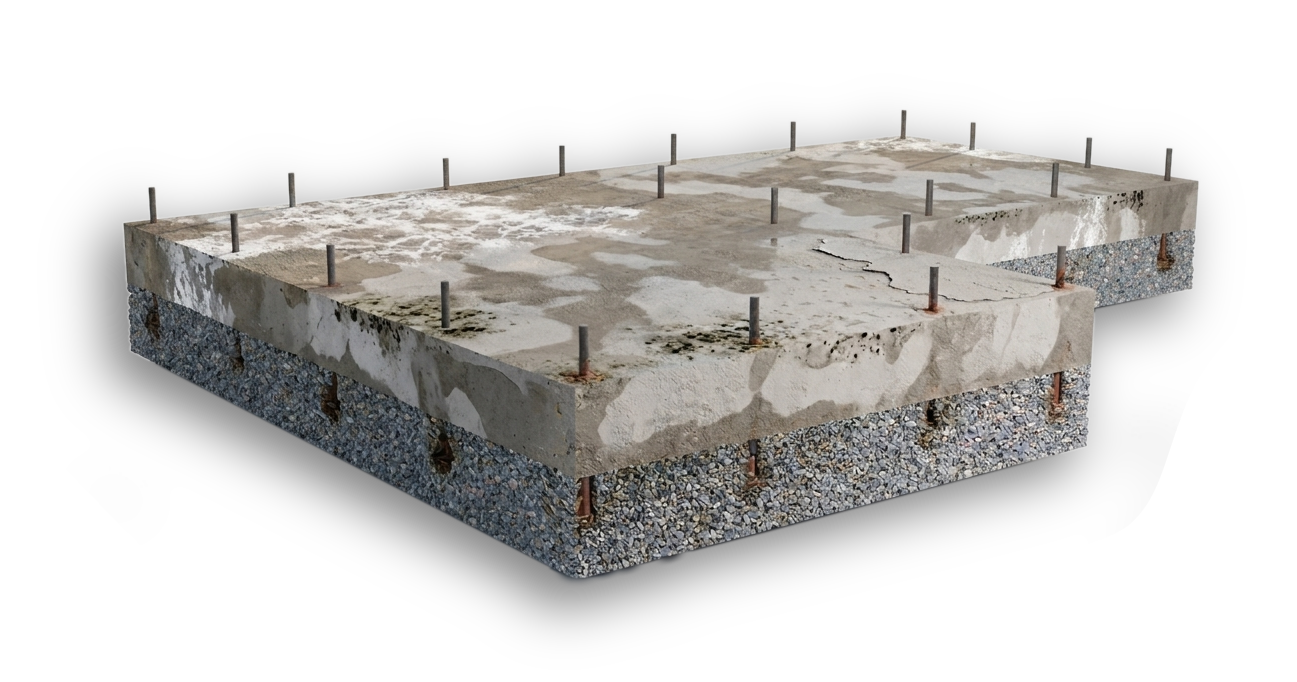
Efflorescence or Salt Deposits
White crystalline deposits forming on the slab surface — a direct indicator of active moisture migration through concrete.

Cracking Associated With Moisture
Cracks are often pathways for moisture ingress rather than the source — but they require investigation regardless.

Flooring Failures or Coating Breakdown
Vinyl, timber, carpet, or epoxy coatings separating or failing prematurely — often caused by moisture beneath the finish.

Suspected Drainage or Subgrade Issues
Where poor drainage or subgrade movement is suspected, moisture mapping identifies affected slab zones.

Pre-Purchase or Forensic Investigation
Independent moisture investigation prior to purchase, or as part of a forensic assessment for defect claims.
Moisture problems don't fix themselves, and surface-level solutions rarely work if the underlying cause isn't understood. If you're dealing with ongoing moisture issues in a concrete slab, we can help.
Our Moisture Assessment Methodology
We use a combination of non-destructive testing methods to build a complete picture of slab performance, moisture behaviour, and contributing site conditions. Each assessment follows a structured sequence of five interconnected stages — click a step to explore what's involved.
Visual Inspection
Every investigation begins with a detailed visual assessment of the slab and the surrounding environment. This step guides the entire investigation and helps identify likely moisture pathways before any equipment is used.
Widespread efflorescence aligned with cracking patterns often indicates active moisture migration through the slab rather than isolated wetting.
We look for:
- Efflorescence and salt deposition patterns
- Moisture staining and discolouration
- Crack distribution and connectivity
- Slab edge conditions
- Surrounding drainage, retaining walls, and surface levels
This step is critical — it shapes every decision made in the stages that follow.
Surface Moisture Mapping
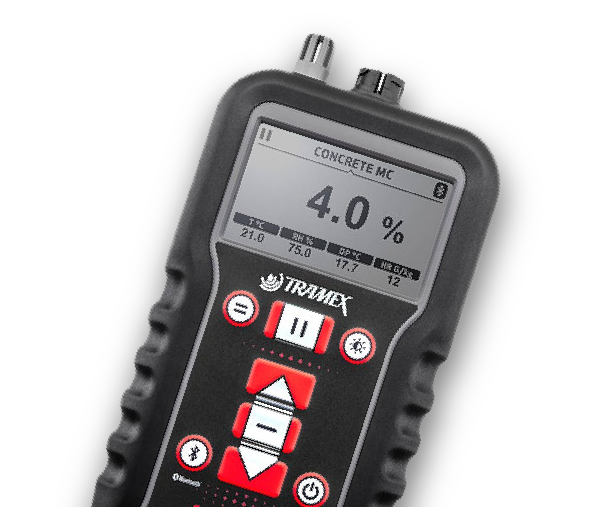
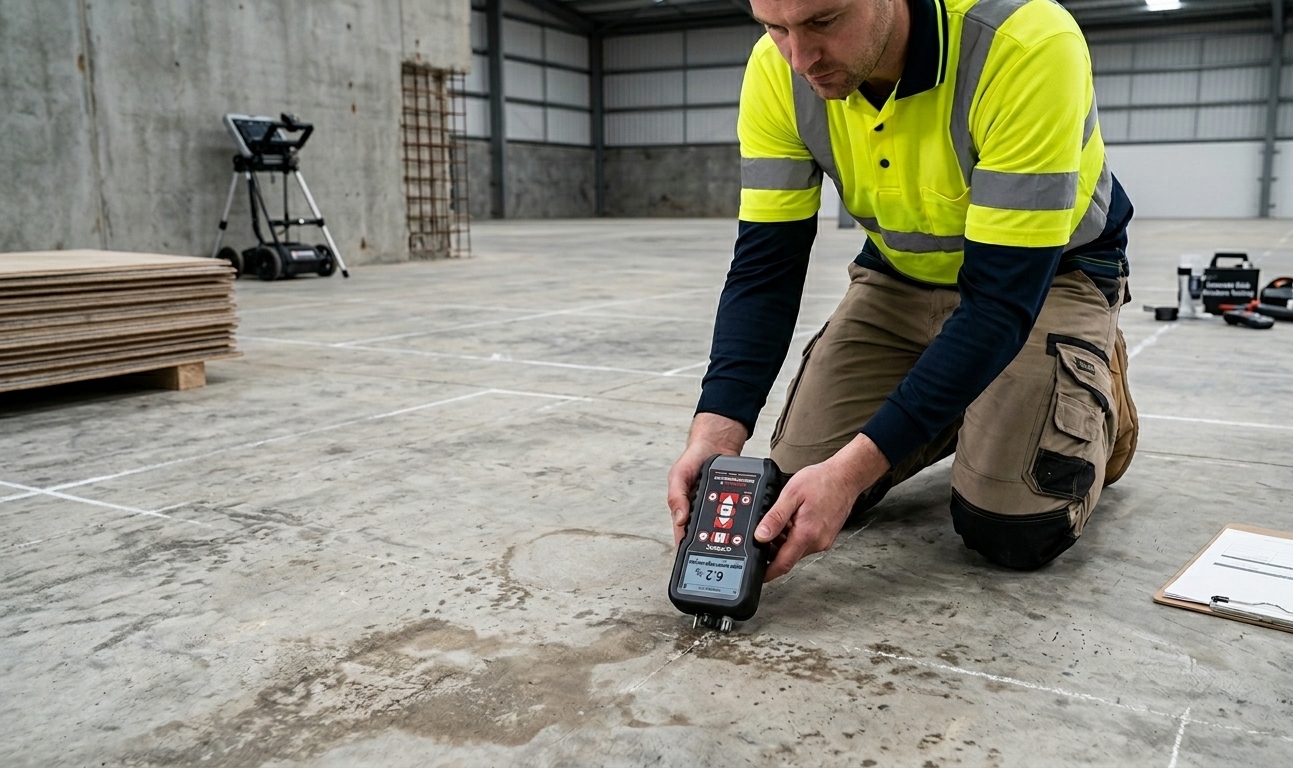
We conduct grid-based moisture testing using impedance-based equipment such as the Tramex CMEX5. This produces a moisture heat map of the entire slab — identifying hotspots, moisture gradients, and correlating readings with visible surface damage.
This method is highly effective for identifying areas of elevated moisture concentration. On its own, however, it does not determine the source of the problem — that requires GPR and drainage assessment.
- Maps relative moisture levels across the entire slab
- Identifies hotspots and moisture gradients
- Correlates readings with visible surface damage
- Non-destructive — no drilling or surface damage
Equipment: Tramex CMEX5 Concrete Moisture Encounter
GPR Assessment
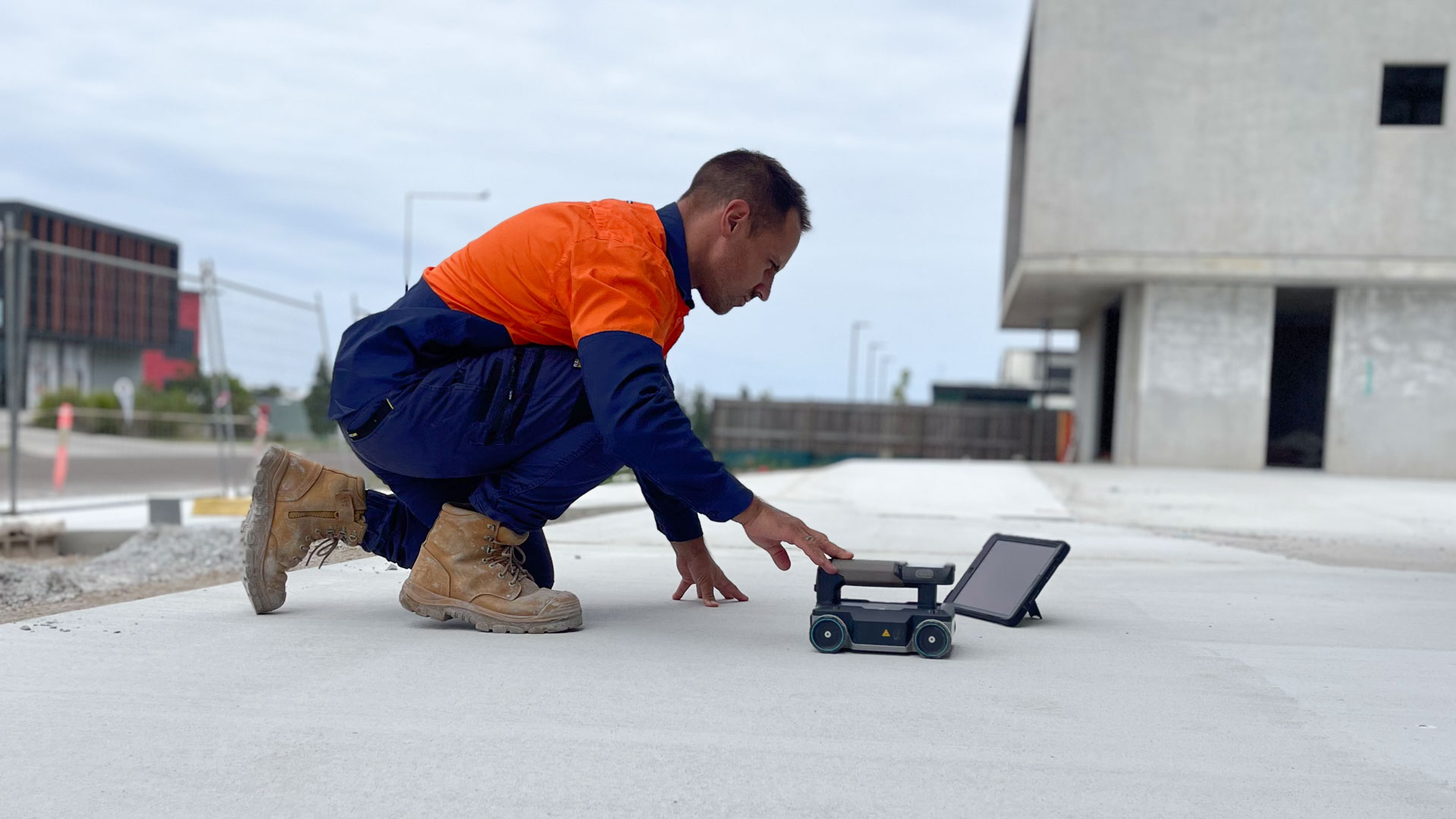
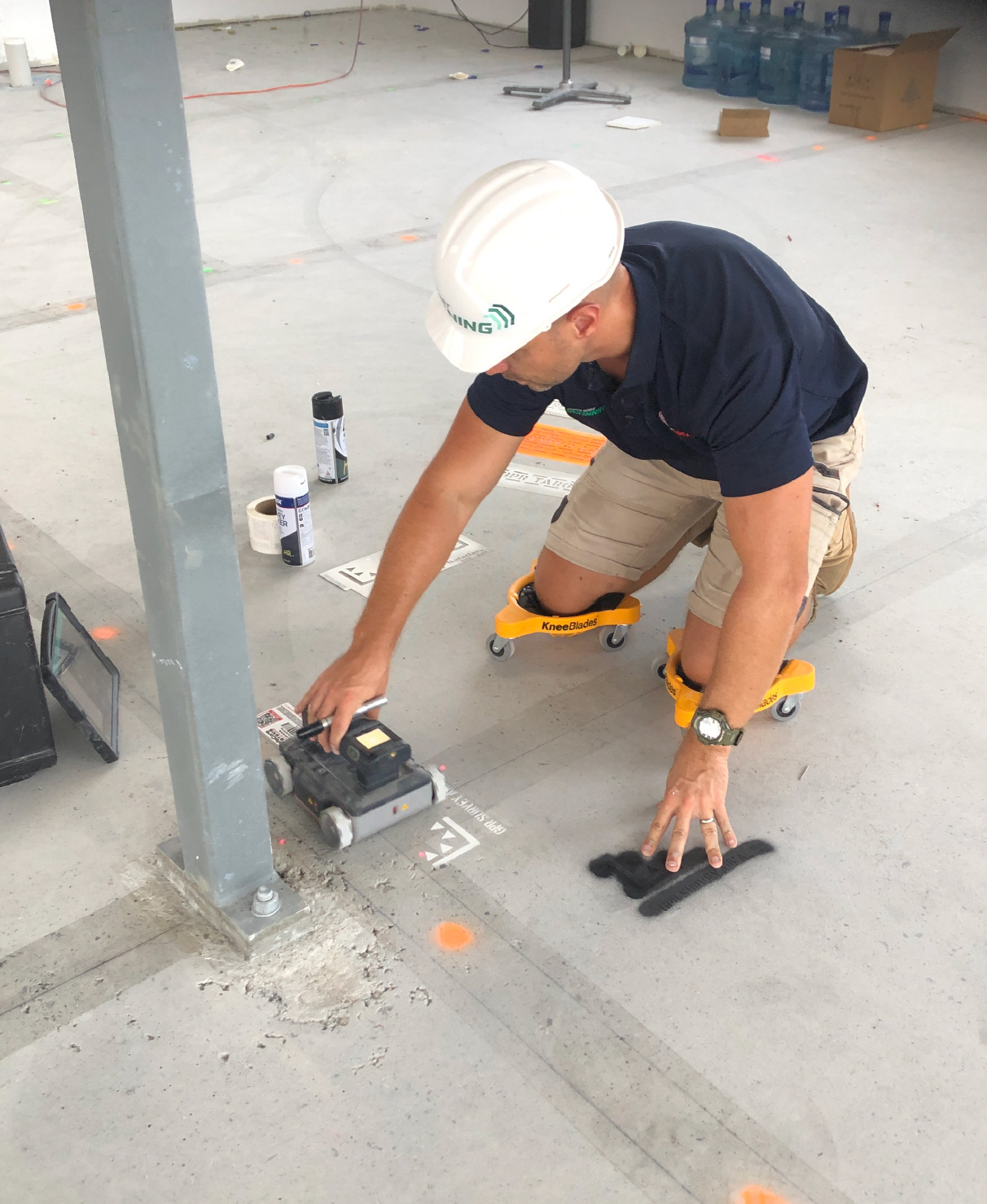
GPR assessments are where South East Scanning really stands out. We use high-frequency GPR concrete scanners to assess the slab and subgrade in detail — going well beyond what surface testing alone can reveal.
Moisture affects the dielectric properties of concrete, meaning areas with elevated moisture present differently in radar data. Variability in signal response can indicate moisture influence, inconsistent concrete quality, or localised deterioration.
- Reinforcement depth and variability
- Slab thickness mapping
- Internal anomalies and voids
- Sub-slab conditions and loss of support
- Moisture-influenced dielectric variation within concrete
Both GPR and impedance testing are available in a single site visit

Drainage & External Condition Assessment
Moisture problems are often external problems. Without assessing the surrounding site conditions, any repair or remediation strategy is likely to fail — because the source of the moisture remains unaddressed.
We assess the surrounding environment to determine whether moisture is being introduced into the subgrade from outside the slab system entirely.
- Stormwater system performance
- Surface drainage, fall, and grading
- Surrounding soil and landscaping conditions
- Retaining wall condition and drainage paths
Includes CCTV drainage inspection where required
Data Correlation & Root Cause Analysis
Data correlation is the most important step in the entire process. We don't treat each test result in isolation — we combine all findings to build a complete and accurate picture of the moisture issue.
This methodology allows us to move beyond identifying symptoms and instead diagnose the underlying cause — giving you the information needed to make the right decision, once.
- Visual observations cross-referenced with test data
- Moisture mapping overlaid with GPR findings
- External drainage findings integrated into root cause
- Source, pathway, and contributing factors identified
The value of this service is in the correlation — not the individual tests

No single test tells the full story. The value comes from correlation of visual inspection, impedance mapping, GPR data, and drainage assessment.
Why Most Moisture Repairs Fail
Most moisture repairs fail because they focus on the concrete surface. In many cases:
- Epoxy alone does not stop moisture when moisture pressure persists
- Coatings fail when the external cause of ingress is not addressed
- Cracks are often pathways, not the source of moisture ingress
Without addressing the underlying cause, moisture-related issues will recur.
What You Actually Get From Us
Our moisture assessments provide:
- Clear identification of the moisture source and behaviour
- Mapping of affected areas across the slab
- Understanding of the slab and subgrade condition
- Identification of contributing external factors
- Practical, prioritised recommendations
We deliver our findings in a format that engineers can rely on, builders can act on, and property owners can understand.
Slab Moisture & Efflorescence Assessment
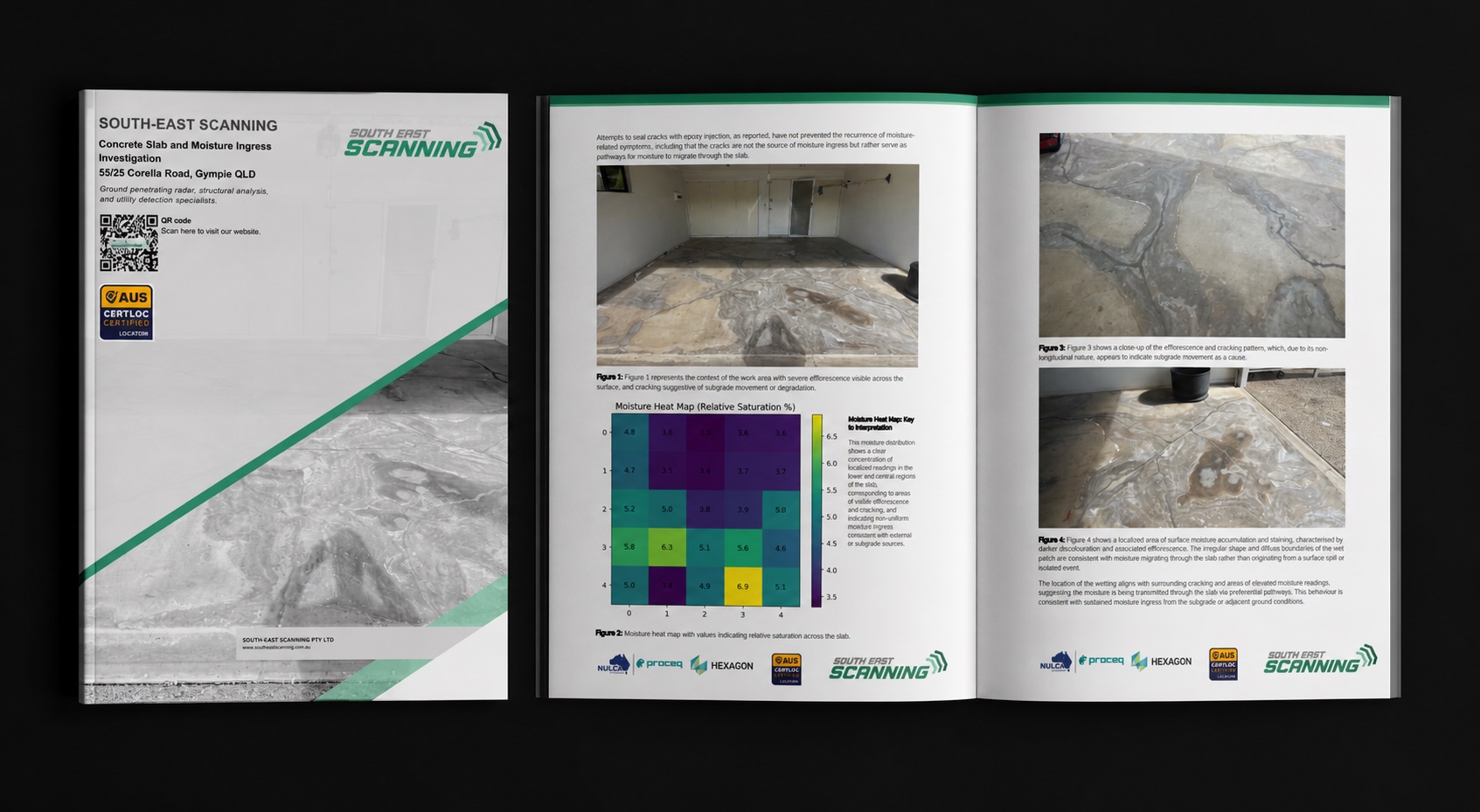
A systemic moisture investigation across a residential concrete slab in Gympie — combining visual inspection, impedance testing, GPR, and CCTV drainage analysis to identify the root cause.
Key Findings
- Active moisture migration through widespread efflorescence and slab cracking
- GPR revealed potential voids and loss of subgrade support beneath the slab
- CCTV confirmed damaged stormwater drainage discharging directly into surrounding soil
- Root cause was external — not a surface defect — rendering prior epoxy repairs ineffective