Concrete scanning is one of the most cost-effective investments on any construction or renovation project — and yet it is routinely skipped, either because it feels like an unnecessary extra step or because the budget is already under pressure. The irony is that skipping the scan almost always costs far more than the scan itself would have. Damaged post-tension cables, struck electrical conduits, compromised slabs, and unplanned shutdowns don't just create repair bills — they create delays, liability exposure, and reputational damage that can follow a contractor long after the job is finished. This article breaks down the real costs of skipping concrete scanning, and explains exactly what a proper pre-works investigation protects you from.
These aren't worst-case scenarios. They are predictable, recurring consequences that project teams across Queensland encounter when scanning is skipped. Each one carries a direct financial impact, and most carry indirect costs in schedule and reputation that are harder to quantify but equally real.
Post-Tension Cable Damage
Post-tension cables are among the most dangerous elements to strike accidentally. Under enormous compressive force, a severed cable releases stored energy violently — posing an immediate safety risk to anyone nearby. Beyond the safety incident, the slab itself may be structurally compromised. Depending on the extent of damage, remediation can involve significant concrete removal, structural assessment, re-tensioning, and re-pour. In multi-storey structures, the knock-on effects can shut down work across multiple levels simultaneously. A full scan before any concrete cutting would have cost a fraction of this.
Struck Electrical Conduits
Drilling through an embedded electrical conduit can cause immediate power loss to the building or sections of a site, and depending on the system, can trigger safety shutdowns and regulatory notifications. Rewiring requires an electrician, concrete repair to restore the slab or wall, and typically a building inspection before power can be reinstated. On a commercial site with multiple trades working, the cascading delay cost is significant — far exceeding what a GPR scan would have cost to prevent it entirely.
Damaged Plumbing and Service Lines
Water supply or drainage lines embedded in a slab present a different but equally disruptive risk. Striking a pressurised water line floods the work area rapidly. Even after the supply is isolated, water damage to flooring, substrate, or adjacent areas can take days to assess and dry before work can resume. Add the cost of concrete repair, pipe reinstatement, and any affected finishes, and what looked like a minor drilling job becomes a significant unplanned expenditure.
Structural Reinforcement Compromise
Rebar performs a critical structural function — it gives concrete its tensile strength. Cutting through rebar in the wrong location can reduce the load capacity of a slab or beam, requiring an engineer to assess the damage and specify remediation before any loading can resume. In some cases, additional reinforcement must be installed around the affected area. The combination of engineering fees, additional materials, and downtime makes this one of the more expensive consequences of working without scan data. For complex structures, this is where structural investigation and analysis becomes essential after the fact — work that should have preceded it.
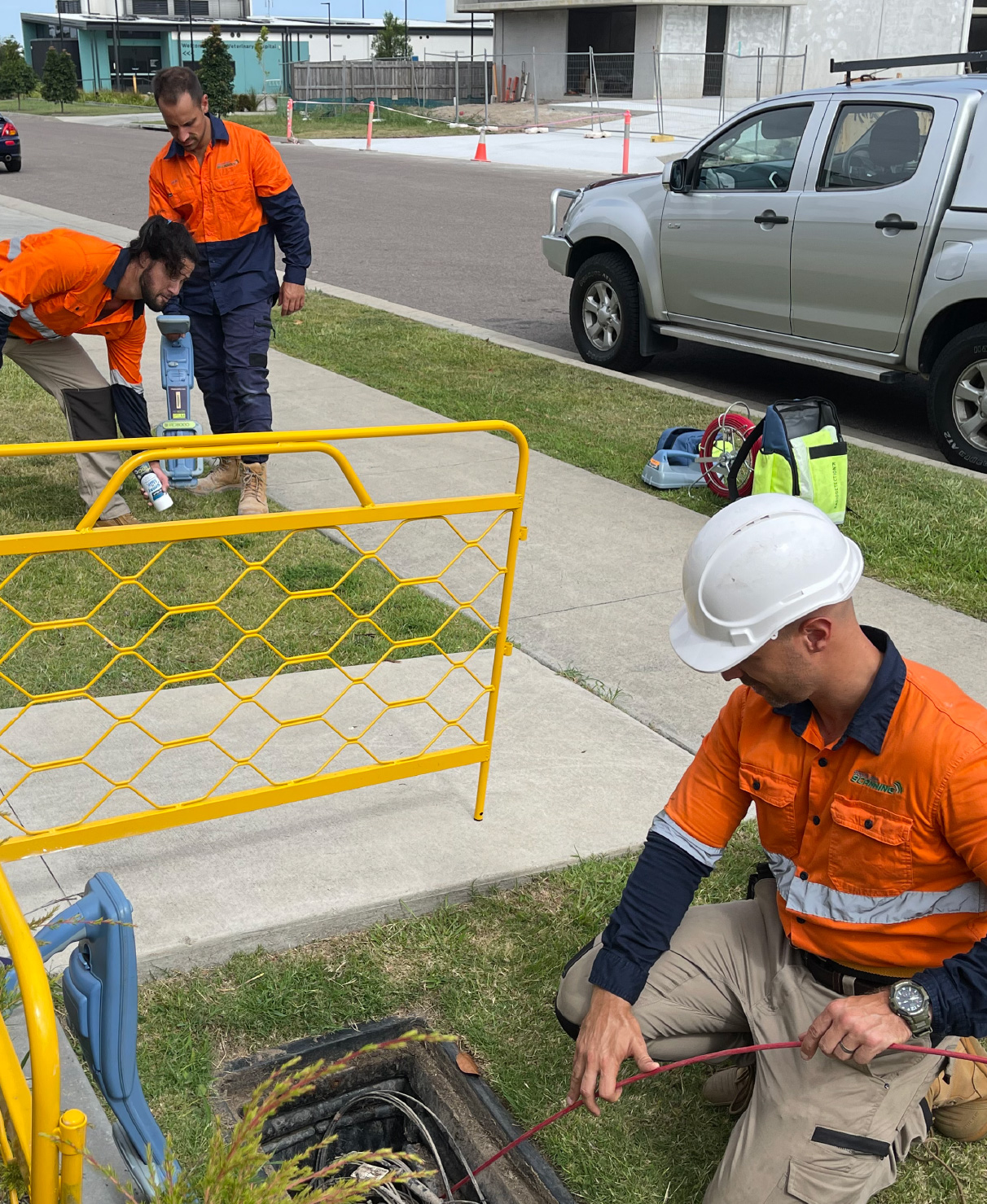 The Cost of Not Scanning — Avoidable Every Time
Direct repair costs are only part of the picture. The less visible consequences of skipping a scan can be just as damaging to a project and to a business.
A professional GPR scan typically takes a few hours and costs significantly less than even a modest repair bill. When you weigh the scan cost against the potential expense of a single incident — structural remediation, electrical rewiring, flooding, or a WH&S investigation — the return on investment is immediate and substantial.
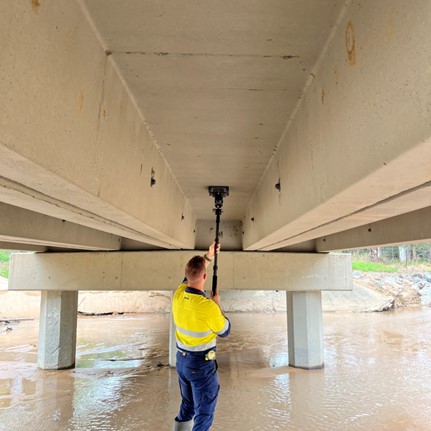
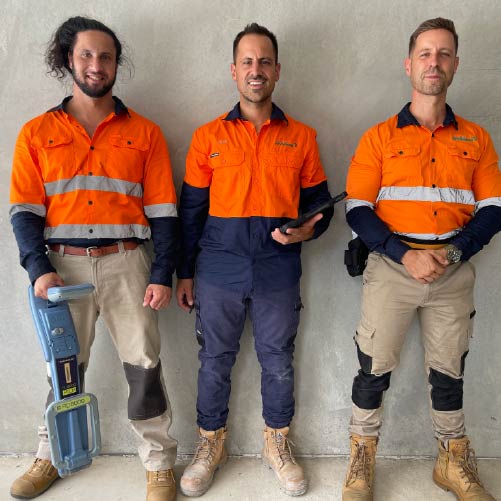 Professional GPR Scanning — Same Day Results
 Safe Zones Marked On Site Before Work Begins
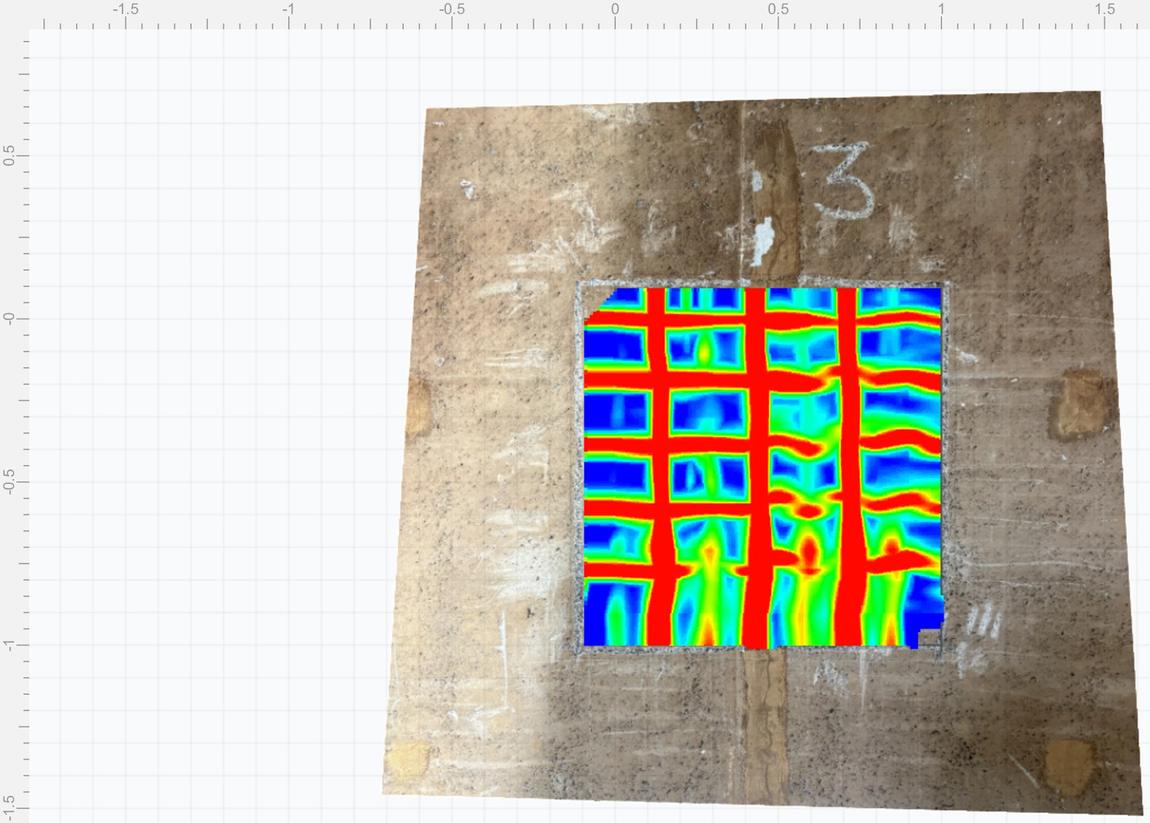
A professional concrete scan before any cutting, drilling, or demolition does more than locate rebar. Depending on the investigation methodology, it provides a comprehensive picture of everything embedded within the slab — and in some cases, beneath it.
More Than Just Rebar
Modern GPR scanning detects the full range of embedded elements in a single pass — giving your team everything they need to plan safe cutting zones, adjust penetration locations, and proceed with complete confidence. For slabs with deep or complex reinforcement, additional methods such as UPV testing can complement GPR results.
Beyond the immediate project, scan data also supports engineering reports, asset condition assessments, and future maintenance planning. The information gathered in a single scan can be referenced for years — making it even better value relative to its cost. Our blog on hidden risks in concrete slabs covers the full range of embedded hazards that scanning consistently uncovers.
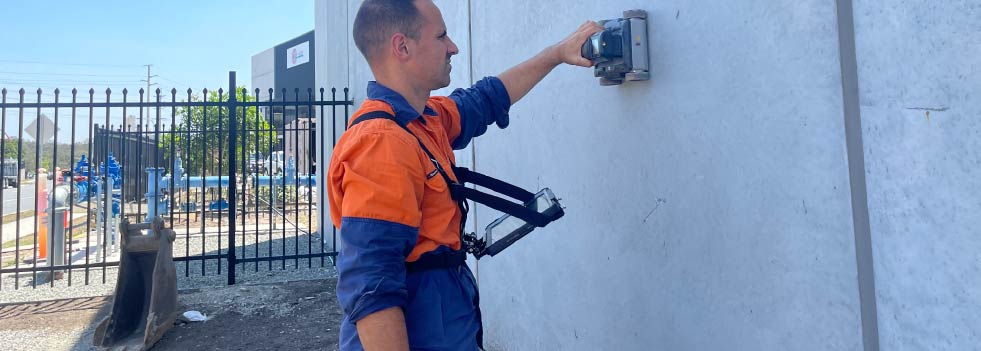 Advanced Investigation Methods — Building a Complete Picture
The answer is straightforward: make scanning a non-negotiable line item in your pre-works process, not an optional extra. The projects that run into trouble are almost always the ones where the decision to skip the scan was made to save a small amount of time or money up front — only to spend multiples of that saving cleaning up the consequences.
Scan Before You Cut
No drilling, coring, or sawing should begin on concrete without a current scan of the area. No exceptions.
Don't Rely on Drawings Alone
As-built drawings are frequently inaccurate or incomplete. Physical scanning is always more reliable than plans.
Build It Into the Budget
Treat scanning as a fixed project cost like site safety. It belongs in the budget before anything else is scheduled.
Use a Certified Specialist
Equipment quality and operator skill vary widely. CERTLOC-certified scanning organisations provide the most reliable results.
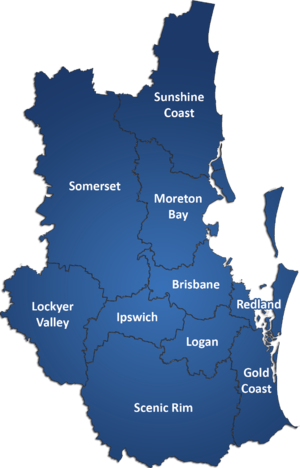
The cost of a concrete scan is predictable and small. The cost of not scanning is unpredictable and potentially enormous. Whether you're planning a single core hole or a full-floor renovation, South East Scanning provides fast, accurate GPR scanning with same-day reporting across South East Queensland — giving your team the information they need to work safely and efficiently from day one.
Don't let a skipped scan become your most expensive project decision. Call our team or request a free quote online — we respond fast and can often be on site within the same week.