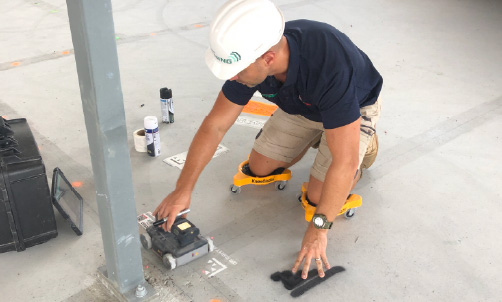
Concrete is one of the most versatile and durable materials used in construction, but many projects require it to be carefully cut or modified to suit new designs, installations, or repairs. From creating openings for doors and windows to installing plumbing, electrical, or ventilation systems, concrete cutting allows work to be carried out with precision rather than disruption. Understanding when concrete cutting is necessary helps ensure construction projects remain safe, efficient, and structurally sound.
- In this blog, you’ll learn:
- When concrete cutting is required in residential, commercial, and infrastructure projects
- The most common applications and techniques used in concrete cutting
- Why professional concrete cutting improves safety, accuracy, and project efficiency
What Is Concrete Cutting?
Concrete cutting involves using specialised equipment and techniques to cut, saw, or drill through concrete surfaces. Unlike demolition, which often destroys the surrounding structure, concrete cutting is precise and controlled, minimising damage to adjacent areas. Techniques include:
- Diamond Blade Sawing: Uses diamond-tipped blades for clean, accurate cuts in slabs, walls, or floors.
- Wire Sawing: Ideal for cutting large or irregular concrete structures. A wire embedded with diamond segments slices through concrete with precision.
- Core Drilling: Creates circular holes in concrete for plumbing, electrical conduits, or ventilation systems.
- Wall and Floor Saws: Heavy-duty saws used for large-scale cutting in commercial or industrial projects.
Concrete cutting can be performed on various structures, including driveways, foundations, bridges, tunnels, and pool surrounds. It is an essential skill in both residential and commercial construction.
Common Situations Requiring Concrete Cutting
Installation of Utilities
One of the most common reasons for concrete cutting is to install utilities such as plumbing, electrical wiring, and gas pipes. For example, if a new water line needs to be routed through an existing slab or if electrical conduits must pass through walls, precise cuts allow for installation without damaging the surrounding concrete. Core drilling is particularly useful for creating circular openings for pipes or ventilation ducts.
Structural Modifications
Concrete cutting is often required when modifying existing structures. Homeowners may want to enlarge a doorway, create an opening for a staircase, or adjust a floor plan. In commercial or industrial projects, structural modifications might involve cutting floors or walls to accommodate new machinery, storage systems, or partitions. Precise concrete cutting ensures that these modifications are achieved safely and accurately without compromising the structural integrity of the building.
Renovation and Retrofitting
During renovations or retrofitting projects, concrete cutting allows builders to update or adapt existing structures to modern standards. For instance, installing air conditioning ducts, upgrading plumbing systems, or adding new electrical outlets often requires cutting into concrete floors or walls. This controlled cutting reduces the risk of cracks, uneven edges, or other damage that could compromise the building’s stability.
Damage Removal and Repairs
Concrete can be damaged due to natural wear, water ingress, or construction defects. When repairs are necessary, concrete cutting is often the first step to remove damaged sections. By cutting out only the affected areas, contractors can replace or repair concrete without disturbing the surrounding structure. This method is more efficient and cost-effective than full demolition and reconstruction.
Road and Pavement Projects
In infrastructure projects, concrete cutting is essential for roads, pavements, and bridge construction. Expansion joints, traffic lanes, or new utility installations require precise cuts to ensure safety, longevity, and alignment. Diamond blade saws and wire saws are commonly used in these applications to maintain accuracy and efficiency.
Considerations Before Cutting Concrete
Assessing the Structure
Before cutting concrete, it’s essential to assess the existing structure. Understanding the thickness, reinforcement, and load-bearing elements ensures that cutting does not compromise stability. Structural engineers or experienced contractors can provide guidance on where and how cuts should be made safely.
Choosing the Right Equipment
Different projects require different cutting techniques and machinery. For example, floor saws are ideal for large horizontal surfaces, while core drills are perfect for circular openings. Selecting the right equipment ensures precision, reduces material waste, and improves overall efficiency.
Compliance and Regulations
Construction projects involving concrete cutting must comply with local regulations, safety standards, and environmental guidelines. Noise, dust, and vibration management are particularly important in residential areas or near sensitive sites. Professional operators are familiar with these requirements and can ensure that projects meet regulatory obligations.
Dust and Waste Management
Concrete cutting generates dust and debris, which must be managed to protect health and the environment. Professionals use water suppression, vacuum systems, and proper disposal methods to minimise dust and prevent contamination of surrounding areas. This is especially important indoors or in urban locations.
Conclusion
Concrete cutting is an essential component of modern construction, renovation, and infrastructure projects. Whether you are installing utilities, modifying structures, performing repairs, or constructing roads and pavements, precise and controlled concrete cutting ensures that work is completed safely, efficiently, and accurately.
By employing professional operators, using the appropriate techniques, and considering structural, regulatory, and environmental factors, contractors and homeowners can achieve high-quality results with minimal risk. Proper planning, assessment, and execution of concrete cutting not only preserve the integrity of existing structures but also enable innovative designs, efficient installations, and successful project outcomes.
From small residential projects to large-scale commercial works, knowing when and how to implement concrete cutting is a vital skill that maximises safety, efficiency, and longevity. For anyone involved in construction or renovation, recognising the importance of concrete cutting ensures a smoother project journey and lasting results that stand the test of time.