Before any construction or excavation project in New South Wales begins, there’s a critical phase that often gets overlooked: pre-digging checks. Skipping this stage can lead to costly mistakes, safety hazards, or even legal consequences. Understanding what needs to be done before breaking ground ensures that your project runs smoothly, safely, and in compliance with regulations. In this guide, we’ll outline the essential pre-digging checks every NSW project needs and why they matter.
Step 1: Site Assessment and Planning
Every successful excavation project starts with a thorough site assessment. Before breaking ground, it’s essential to evaluate the land’s conditions, existing structures, and environmental factors. Key considerations include:
- Soil composition and stability: Different soil types respond differently to excavation. Understanding the soil profile helps determine the appropriate excavation methods and machinery.
- Topography and drainage: Assessing slopes, water flow, and potential flood risks helps prevent future water-related issues and structural problems.
- Existing structures and boundaries: Knowing the location of fences, buildings, and neighbouring properties avoids accidental damage and ensures compliance with property regulations.
- Access points and site logistics: Planning for machinery access, material storage, and worker movement improves efficiency and reduces safety risks.
A comprehensive site assessment sets the foundation for safe and efficient excavation, ensuring that subsequent checks and processes can be carried out effectively.
Step 2: Locating Underground Services
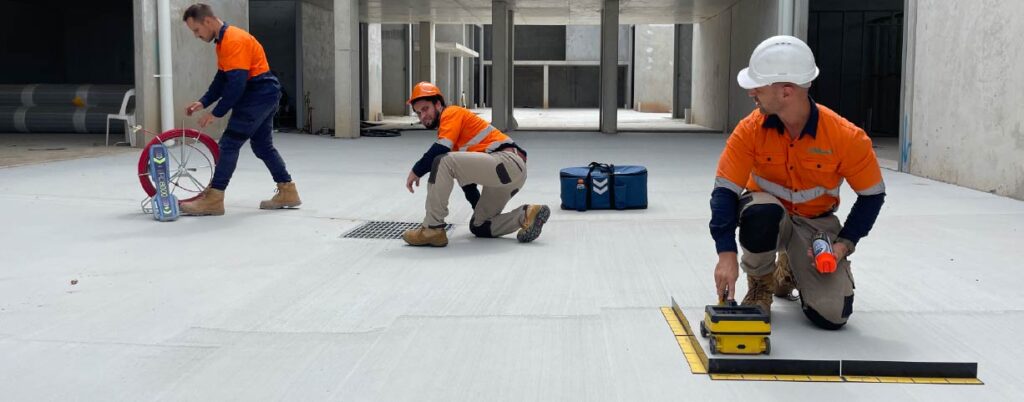
One of the most critical pre-digging steps is identifying the location of underground utilities. Accidentally striking a gas line, electrical cable, or water pipe can have serious consequences, from injury to property damage and legal penalties.
Dial Before You Dig NSW
In New South Wales, contacting Dial before you dig NSW is a mandatory step for most excavation projects. This service provides detailed information about the location of underground utilities and reduces the risk of accidental strikes. By submitting your project details, you receive accurate maps and guidance to help plan your excavation safely.
Using Dial Before You Dig NSW not only ensures compliance with regulations but also protects workers and infrastructure. It’s an essential safeguard that every excavation project should incorporate before any machinery touches the soil.
Private Utility Checks
In addition to government-registered services, it’s also wise to check for private infrastructure, such as irrigation systems, private electricity lines, or fibre-optic cabling. Utility companies or previous property surveys can provide this information. Taking these steps ensures that all potential hazards are identified, reducing the likelihood of costly disruptions.
Step 3: Geotechnical and Environmental Assessments
Beyond locating underground utilities, geotechnical and environmental assessments are crucial for understanding site conditions that could affect the project.
- Geotechnical surveying: This involves analysing soil samples to determine load-bearing capacity, compaction, and potential contamination. The results inform decisions about foundation design, retaining walls, and excavation depth.
- Environmental assessments: Certain projects may require approval from local councils or environmental authorities, particularly if the site is near waterways, bushland, or protected areas. Assessing environmental risks helps avoid legal complications and protects natural resources.
Completing these assessments before breaking ground reduces delays, prevents structural issues, and ensures responsible development practices.
Step 4: Planning Excavation Methods and Safety Measures
With the site assessed and underground services identified, the next step is planning how the excavation will be carried out safely and efficiently.
- Excavation methods: The choice of machinery and techniques depends on the project size, soil type, and depth required. Options range from small handheld diggers for minor landscaping to large hydraulic excavators for major construction projects.
- Safety protocols: Setting up barriers, signage, and safe work zones protects workers and the public. Personal protective equipment (PPE) and clear emergency procedures are also critical components.
- Traffic and site management: For projects near roads or busy areas, planning for vehicle and pedestrian management prevents accidents and ensures compliance with local regulations.
Step 5: Securing Permits and Approvals
Before breaking ground, it’s essential to secure any required permits or approvals. Depending on the project scope, this may include:
- Development approvals: Larger projects may require approval from local councils, including building permits and environmental clearances.
- Utility permits: Certain utility works or connections may require approval from service providers or authorities.
- Workplace safety compliance: Ensuring the project aligns with SafeWork NSW guidelines is mandatory to protect workers and avoid fines.
Having all permits and approvals in place before excavation begins reduces the risk of legal complications, project delays, or fines.
Step 6: Final Pre-Dig Inspections
The last step before breaking ground is a final inspection to verify that all checks have been completed. This includes:
- Confirming the location of all underground services from Dial Before You Dig NSW and private sources.
- Ensuring the site is properly marked, fenced, and prepared for excavation.
- Verifying that all safety equipment, machinery, and personnel are ready and compliant with regulations.
A final pre-dig inspection ensures that the project can commence safely and efficiently, minimising unexpected issues once excavation begins.
Why These Checks Matter
Skipping or rushing any of these pre-dig steps can have serious consequences. Striking underground utilities can cause injury, service disruptions, and costly repairs. Poor site assessment or inadequate planning can lead to foundation problems, project delays, and budget overruns. By prioritising thorough checks before breaking ground, NSW homeowners and contractors can:
- Protect workers and the public.
- Avoid damage to existing infrastructure.
- Ensure compliance with legal and regulatory requirements.
- Reduce long-term costs and delays.
- Improve project outcomes and efficiency.
In short, careful planning and pre-dig checks are not optional—they are critical for any successful excavation or construction project.
Final Thoughts
Breaking ground on a construction or excavation project in is an exciting step, but it must be preceded by careful planning, thorough assessments, and essential pre-dig checks. From site evaluation and geotechnical testing to utility location and safety planning, each step protects the project, the workers, and the wider community. Using services like Dial before you dig ensures that underground utilities are identified, reducing risk and improving project confidence.
Whether you are building a new home, installing landscaping, or undertaking commercial construction, taking the time to complete these critical pre-dig checks sets the foundation for a successful project. Attention to detail before excavation can save time, money, and stress, while ensuring that your project meets safety, regulatory, and quality standards.