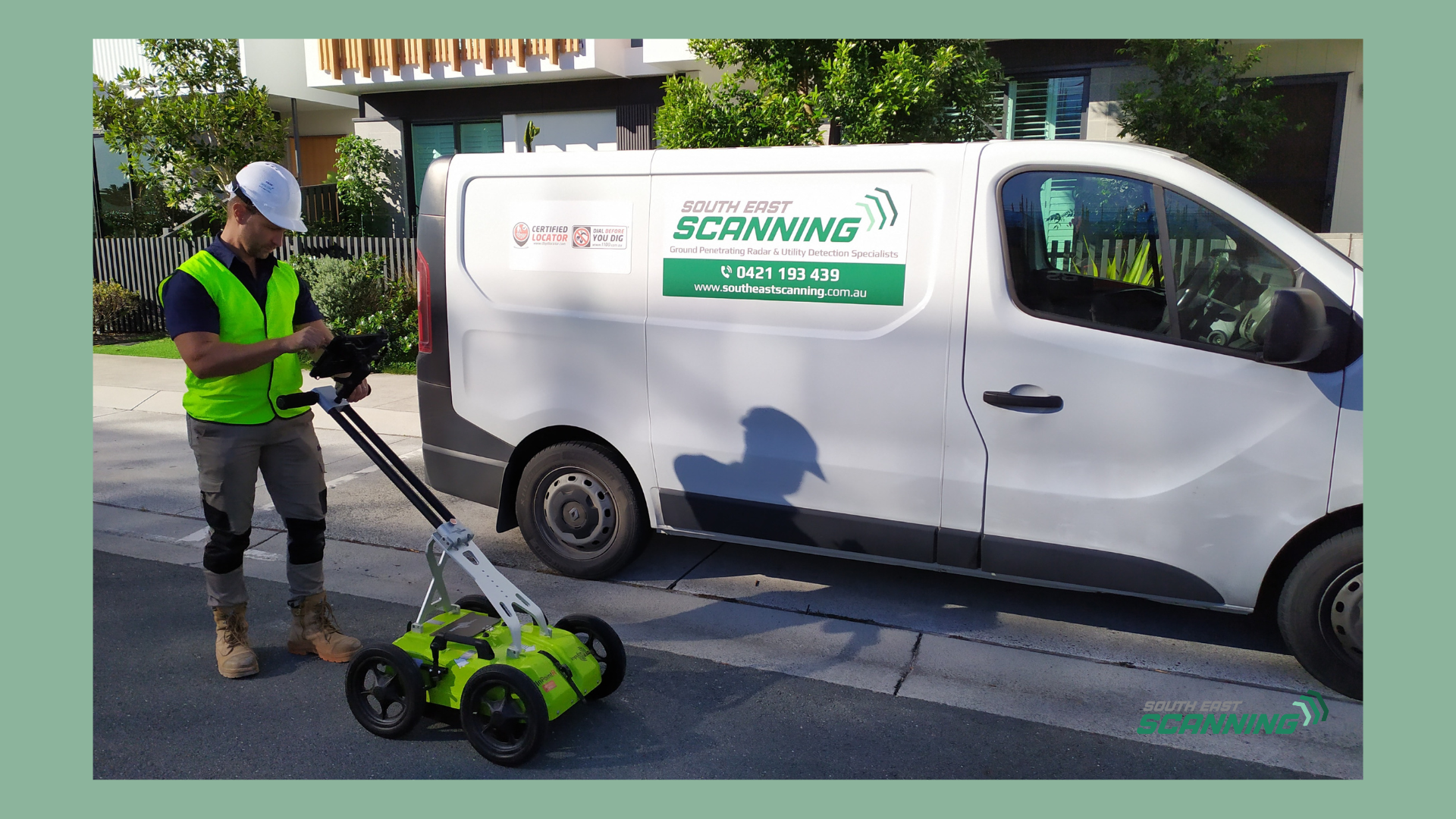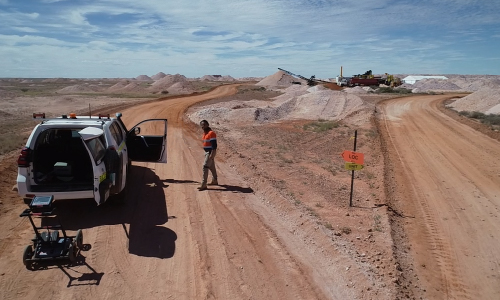
Before any excavation, trenching, or ground-breaking work begins in Australia, one step is legally required and practically essential: completing a Dial Before You Dig enquiry. But while DBYD is a vital first step, it is not the last. Many developers, contractors, and property owners mistakenly treat a completed enquiry as confirmation that underground services are known and mapped — when in reality, the plans returned are historical records, not physical verification. Understanding what Dial Before You Dig actually does, what it returns, and where its limitations lie is critical to managing excavation risk responsibly. This article explains the process clearly, answers the most common questions about cost and timing, and explains why a DBYD enquiry should always be followed by on-site utility verification before work commences.
Dial Before You Dig — now operating nationally as Before You Dig Australia (BYDA) — is a free referral service that connects anyone planning to excavate with utility asset owners who have registered infrastructure in the area. When you lodge an enquiry, BYDA notifies relevant utility owners, who then return plans showing the approximate location of their registered underground assets. These may include electrical cables, gas mains, water and sewer pipes, telecommunications conduits, and other services.
The enquiry can be submitted online at byda.com.au, via the BYDA app, or by calling 1100. You will need to provide the site address, a description of the planned works, and the proposed start date. Responses from asset owners typically arrive within two business days, though this can vary depending on the number of utilities in the area and the complexity of the request.
Is Dial Before You Dig Free?
Yes — the BYDA referral service is completely free for anyone to use. There is no cost to lodge an enquiry, receive plans, or access the BYDA app or online portal. The cost associated with Dial Before You Dig investigations comes only when you engage a certified utility locator to physically verify asset locations on-site — which is a separate, essential step that follows the BYDA enquiry.
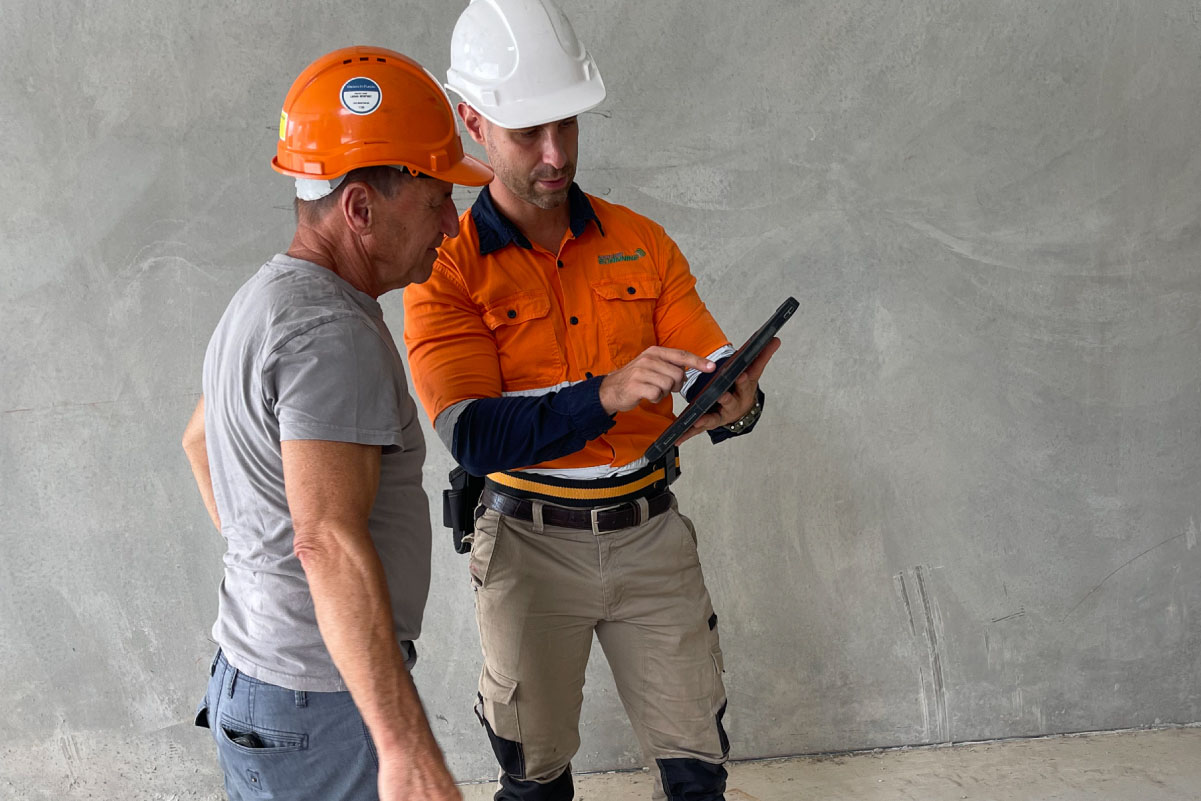 On-Site Utility Verification — The Step After BYDA
A completed BYDA enquiry returns a package of plans from each registered asset owner with infrastructure in your nominated area. These plans show the general location of underground services based on the utility owner's historical records and design documentation. They are an important starting point for excavation planning — but they come with significant limitations that every contractor and developer must understand before relying on them.
The BYDA service itself states clearly that lodging an enquiry does not authorise project commencement. Before work begins, you must obtain all relevant information from asset owners and physically locate services on-site. Proceeding on plans alone without site verification significantly increases the risk of a utility strike.
For most enquiries, asset owners are expected to respond within two business days. In practice, response times can vary — simpler sites in areas with fewer registered utilities may receive responses faster, while complex sites in dense urban areas, or those with a higher number of asset owners, may take longer. It is important to factor this lead time into your project programme before any excavation work is scheduled.
Once plans are received, they remain valid for a defined period — typically 28 days, though this varies by asset owner. If work has not commenced or the scope has changed, a new enquiry is required. Submitting plans early and confirming validity before your scheduled start date is standard best practice for any contractor working under a time-sensitive programme.
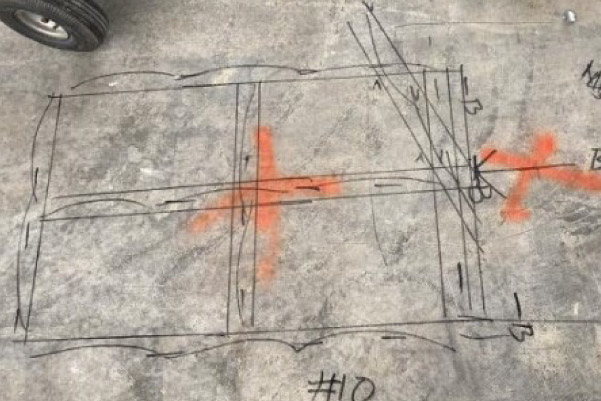
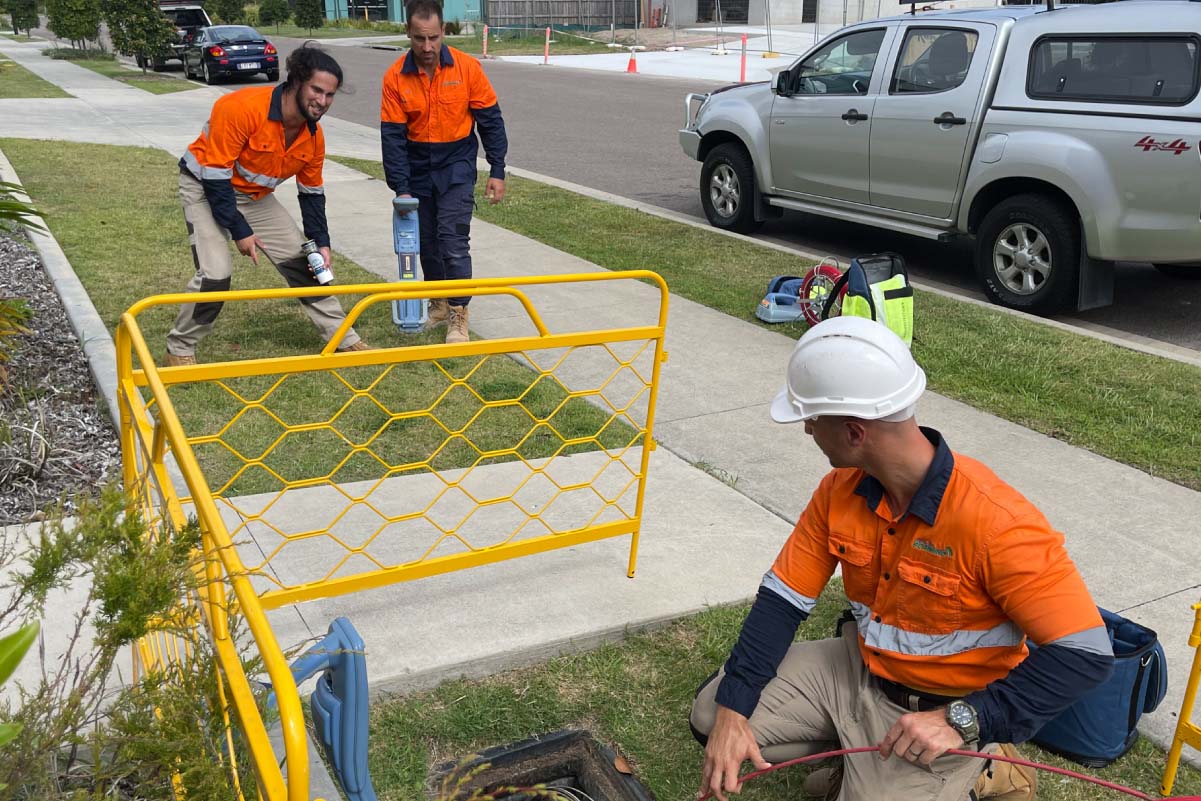 GPR Utility Investigation
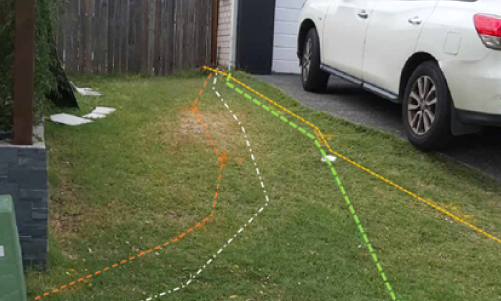
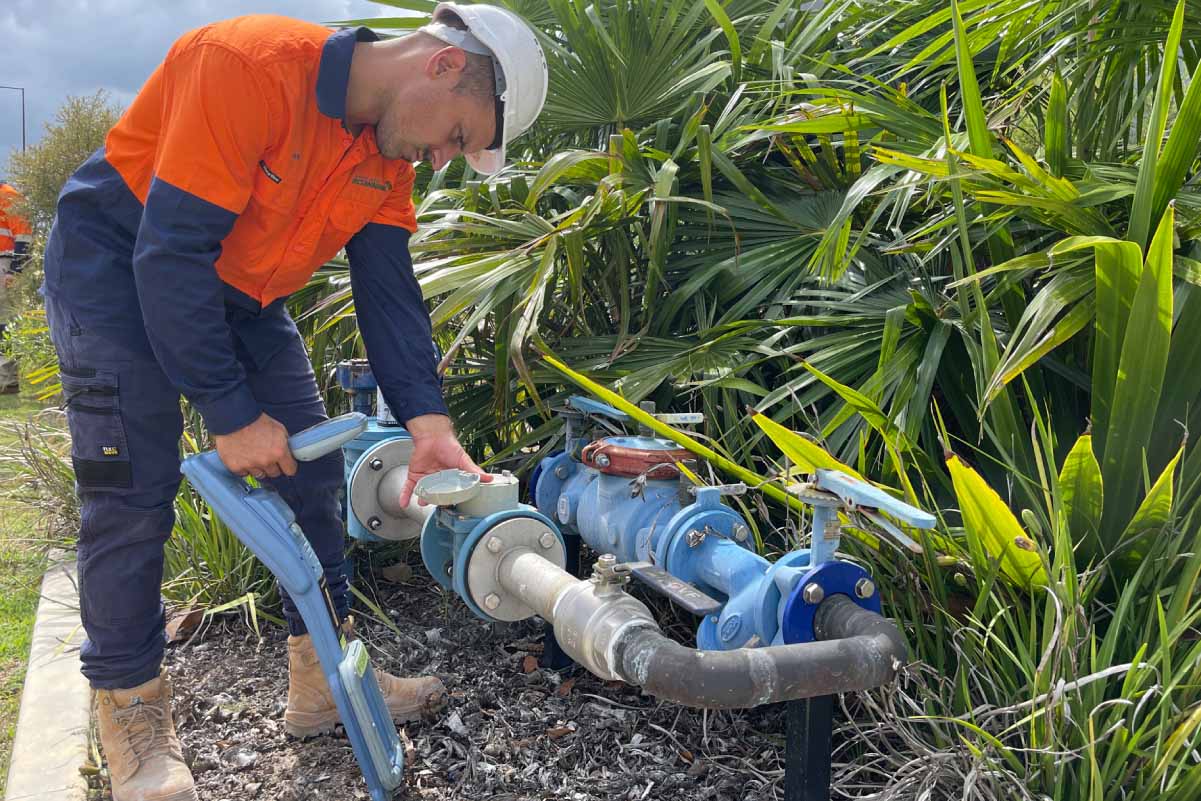 Asset Marking After Verification
In Queensland, completing a BYDA enquiry before excavation is not optional — it is a requirement under the Work Health and Safety Act 2011 (Qld) and associated regulations. Contractors, builders, and property owners all have a duty of care to identify underground assets before ground-breaking works commence. Failing to meet this duty can result in significant fines, insurance complications, and legal liability should a utility strike occur.
Queensland's underground network is particularly complex, with a high concentration of ageing infrastructure, private assets not captured in BYDA records, and significant variation in service depths across different regions and soil types. The Dial Before You Dig QLD process is an important legal step — but it remains a starting point, not a complete solution.
Private Assets and the BYDA Gap
A significant proportion of underground services — including private water connections, decommissioned conduits, privately installed electrical feeds, and stormwater infrastructure — are not registered with any BYDA member utility. These assets will not appear in your BYDA response. On older Queensland properties and commercial sites, the volume of unregistered services can be substantial. Engaging a certified utility locator is the only way to identify these services before excavation begins.
BYDA Records vs On-Site Utility Locating
A BYDA enquiry retrieves historical records from registered asset owners. On-site utility locating physically confirms what is actually in the ground using Ground Penetrating Radar and electromagnetic technology — including private, unregistered, and relocated services that BYDA cannot identify. Both steps are necessary. Neither replaces the other.
The most important thing to understand about the Dial Before You Dig process is what it cannot do. BYDA plans are derived from records submitted by registered utility owners. Those records are only as accurate as the documentation held by each asset owner — which may be outdated, incomplete, or based on original design drawings rather than as-built conditions. Services can shift during ground movement, be installed without documentation, or be decommissioned without being formally removed from records.
For this reason, the safe excavation process requires physical verification of underground assets on-site, in addition to a completed BYDA enquiry. This is where a CERTLOC Certified utility locator performs a field investigation using Ground Penetrating Radar and electromagnetic locating equipment to physically confirm what is present and mark asset locations before any excavation equipment moves. Avoiding hazards with Dial Before You Dig depends on treating the enquiry as step one of a two-part process — not as a complete risk assessment in itself.
Reduced Liability
Physical verification demonstrates a defensible duty of care that BYDA plans alone cannot provide.
Identifies Private Services
Locating finds unregistered and private assets that will never appear in a BYDA response.
Accurate Depth Data
Field investigation confirms actual burial depths that historical plans cannot reliably indicate.
Prevents Cost Blowouts
A utility strike causes delays, repairs, and potential fines that far outweigh the cost of a locate.
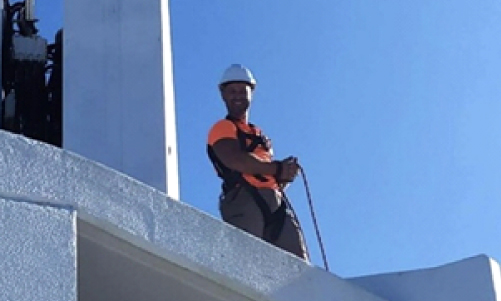
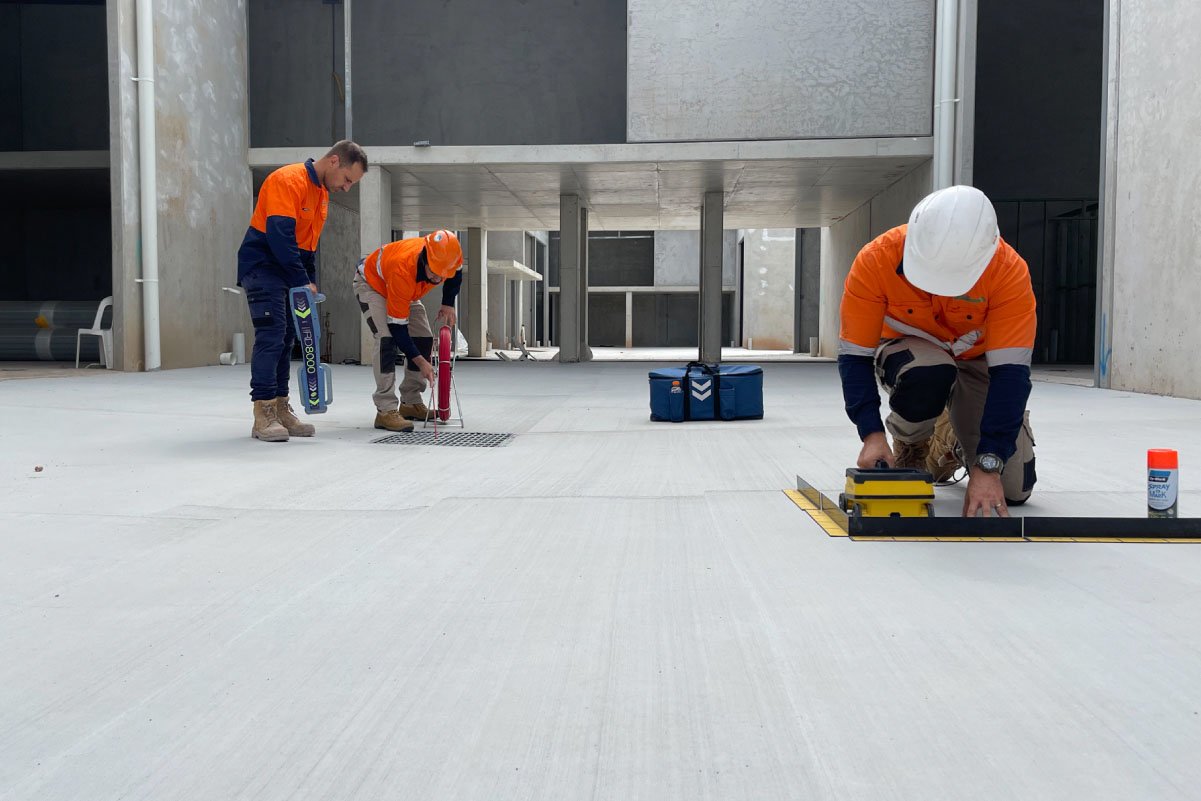 Field Verification — Confirming What BYDA Plans Cannot
Need Utility Locating for Your Queensland Project?
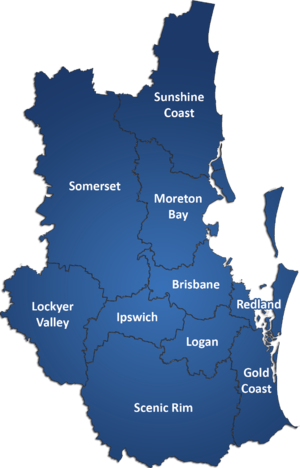
South East Scanning is a CERTLOC Certified Locating Organisation providing utility locating, GPR investigations, and underground service verification across Brisbane, Gold Coast, Sunshine Coast, Ipswich, and regional Queensland. We help developers, builders, and contractors verify what is actually beneath the ground — before excavation begins.
Request a Utility Locating AssessmentCompleting a Dial Before You Dig enquiry is a legal requirement and a responsible first step for any excavation project. But understanding what BYDA plans represent — and what they do not — is equally important. Historical utility records are an essential starting point, not a clearance to excavate. Private assets, relocated services, and unregistered conduits will not appear in your BYDA response, and the plans returned cannot confirm actual depths or current on-site conditions.
The two steps that protect every excavation project are completing a BYDA enquiry and following it with physical utility verification by a certified locator. Founded by brothers Aidan and Dion Waszaj, South East Scanning provides specialist utility locating and underground service verification throughout Queensland — helping contractors and developers confirm what is actually beneath the ground before work begins. Contact our team to discuss your project requirements.