Concrete cutting on the Gold Coast is a routine part of residential renovations, commercial fit-outs, and civil construction. But the step that prevents the most costly incidents on site is rarely the cut itself — it is the investigation that should happen before the blade ever touches the surface. Concrete slabs and walls regularly contain embedded reinforcement, post-tension cables, electrical conduits, and plumbing that are completely invisible from above. Without a GPR scan prior to concrete cutting on the Gold Coast, contractors and property owners are making decisions without the information they need to work safely and efficiently. This article explains what the pre-cut scanning process involves, what the real risks of skipping it look like, and why it is one of the most practical investments on any cutting or coring project.
Concrete structures on the Gold Coast — particularly those built over the past four decades — frequently contain more embedded elements than surface inspection can reveal. Reinforcing steel (rebar) provides tensile strength across slabs, beams, and walls. Post-tension cables are installed under high compressive force to allow thinner, stronger slabs in commercial and multi-storey applications. Electrical conduits, data cables, hydraulic pipes, and plumbing lines are routinely cast into slabs during construction, often without detailed as-built documentation that survives the building's life.
For anyone planning concrete cutting work, the critical point is this: none of these elements announce themselves. A slab that looks uniform from above may contain post-tension cables spaced at regular intervals, electrical conduits serving live circuits, and rebar in configurations that leave little safe cutting room. Relying on memory, original drawings, or visual inspection alone creates serious exposure.
Post-Tension Cables: The Highest-Consequence Risk
Post-tension cables are under significant stored energy. Severing one without preparation causes a sudden, violent energy release that poses direct risk to workers and equipment. Our guide on locating rebar, post-tension cables, and conduits before cutting details exactly what is at stake on reinforced slabs and how to prepare safely before any cutting commences.
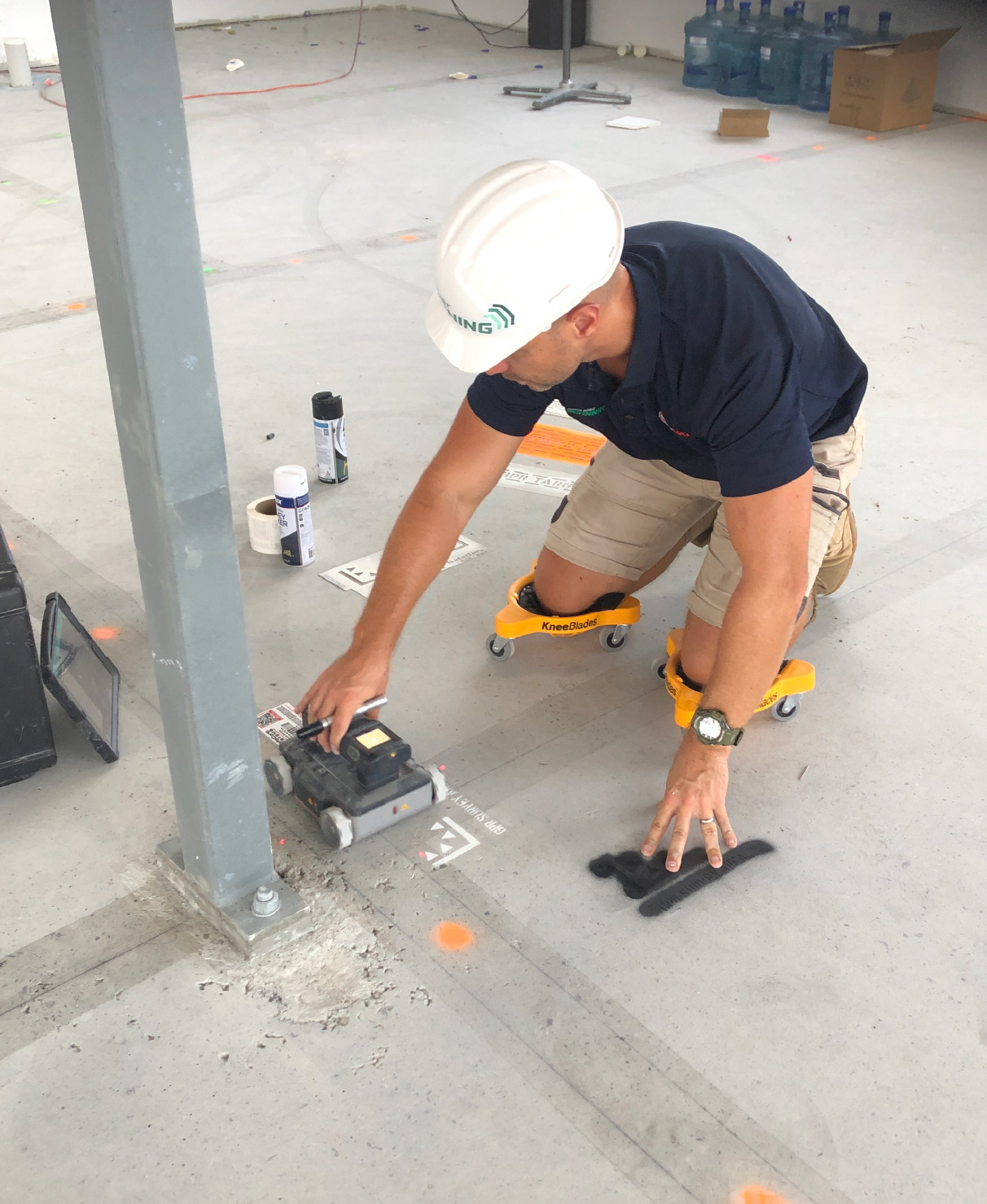 Pre-Cut GPR Scan — Gold Coast
The consequences of cutting into uninvestigated concrete range from minor delays to serious safety incidents and significant financial exposure. On Gold Coast projects, where both residential and commercial construction involves dense concentrations of embedded services, the probability of encountering an embedded hazard without scanning is not theoretical — it is routine.
Each of these outcomes creates unplanned cost, schedule disruption, and potential liability. On commercial sites, a service strike can trigger a chain of consequences — emergency contractor callouts, insurance claims, engineering assessments, and rework — that dwarf the cost of a pre-cut GPR scan by a significant margin.
Older Gold Coast buildings often have incomplete or inaccurate as-built documentation. Services were added, modified, or rerouted during construction and throughout the building's life. Even where drawings exist, they should be treated as a starting reference — not as verification of actual on-site conditions.
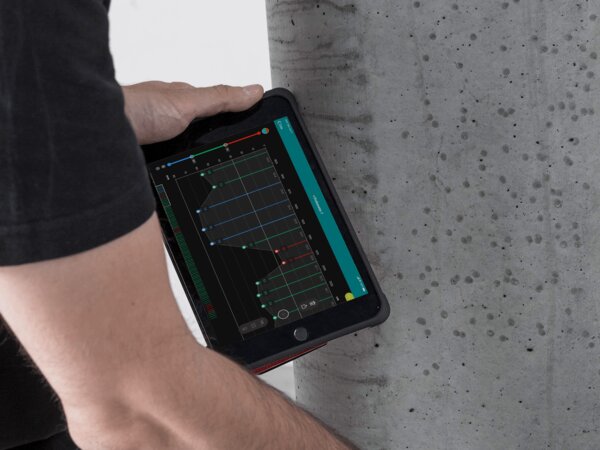
Ground Penetrating Radar (GPR) is the primary tool used to investigate concrete prior to cutting, coring, or drilling. The technology sends electromagnetic pulses into the slab and interprets the signals that return from embedded objects — producing a real-time picture of what is present, where it is located, and approximately how deep it sits below the surface.
Ground Penetrating Radar (GPR)
GPR investigates the concrete from a single accessible surface — no demolition, no damage, no disruption to the structure. Embedded rebar, post-tension cables, conduits, and voids are identified in real time, allowing safe cut zones to be marked directly on the slab before work begins.
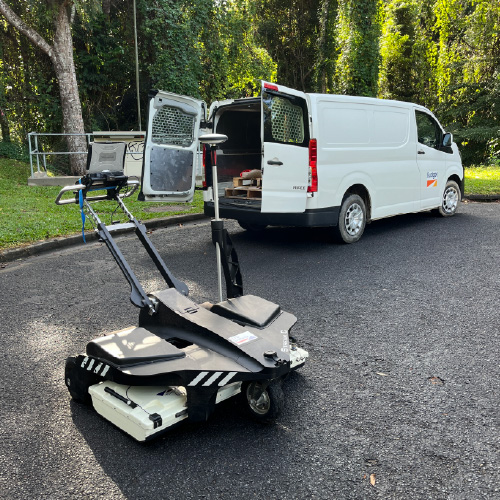
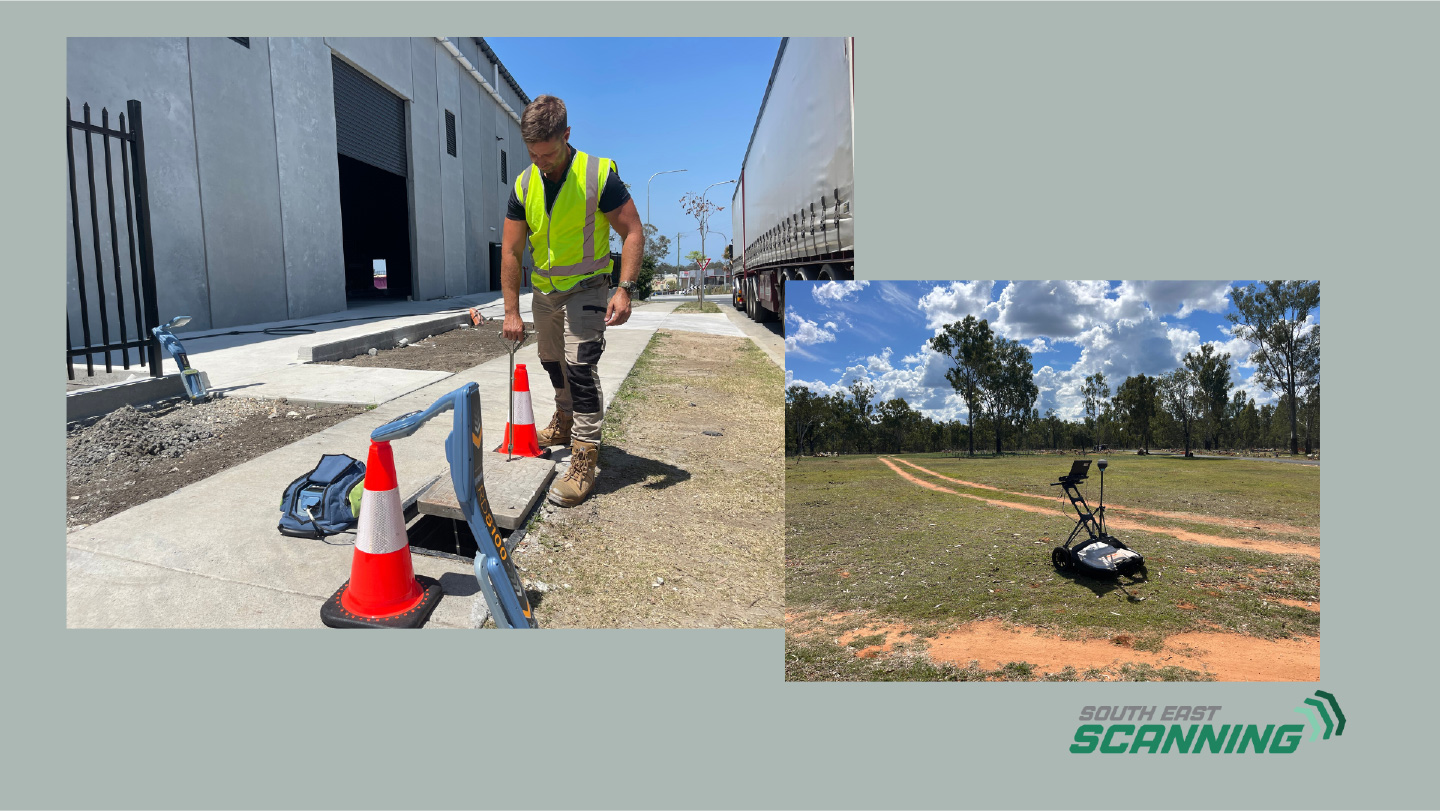
South East Scanning utilises industry-leading Proceq GP8000 and IDS GeoRadar systems to deliver high-resolution subsurface imaging across Gold Coast projects. Results are provided in a clear site report, with detected elements marked on the concrete surface — giving cutting teams an accurate, actionable reference before the first blade engages. The company is a CERTLOC Certified Locating Organisation, operating to recognised industry standards for subsurface investigation across Queensland.
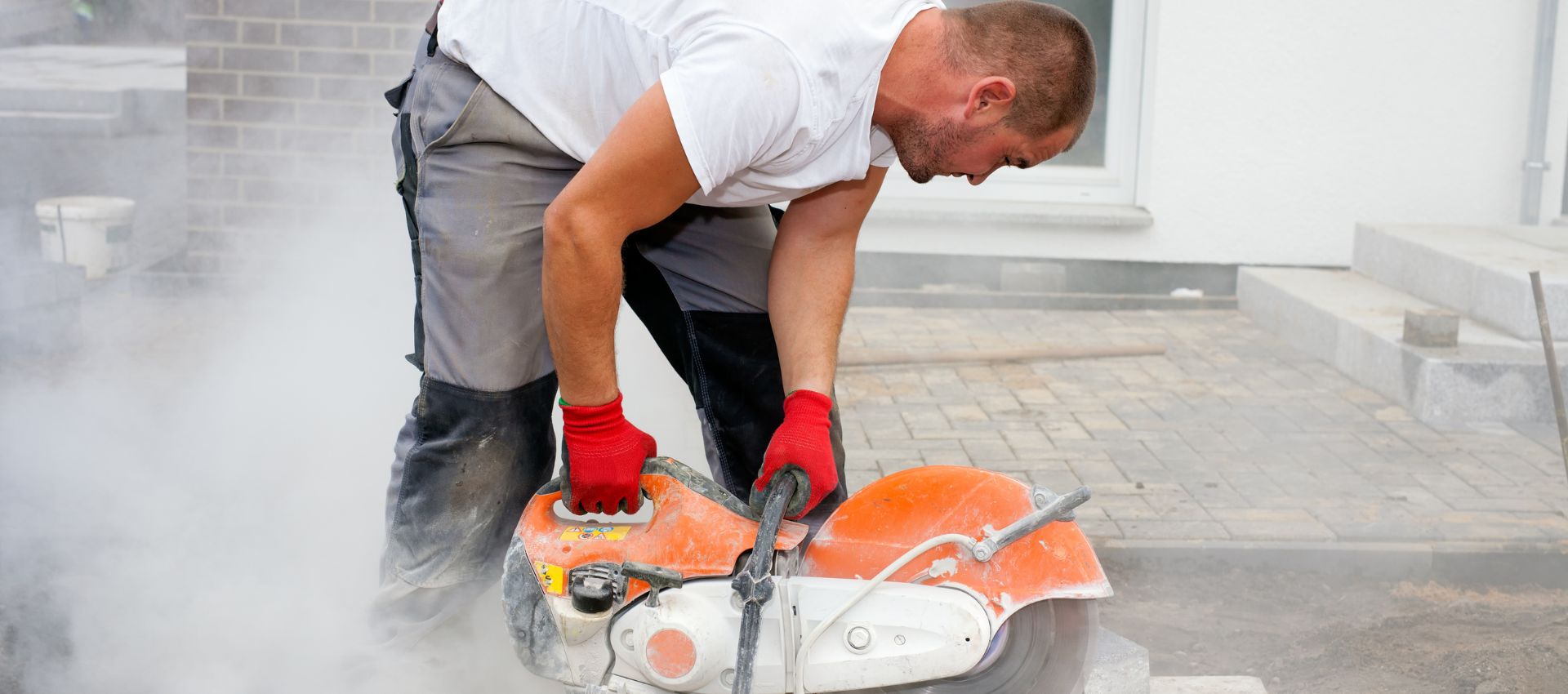 Precision Cutting — Post-Scan
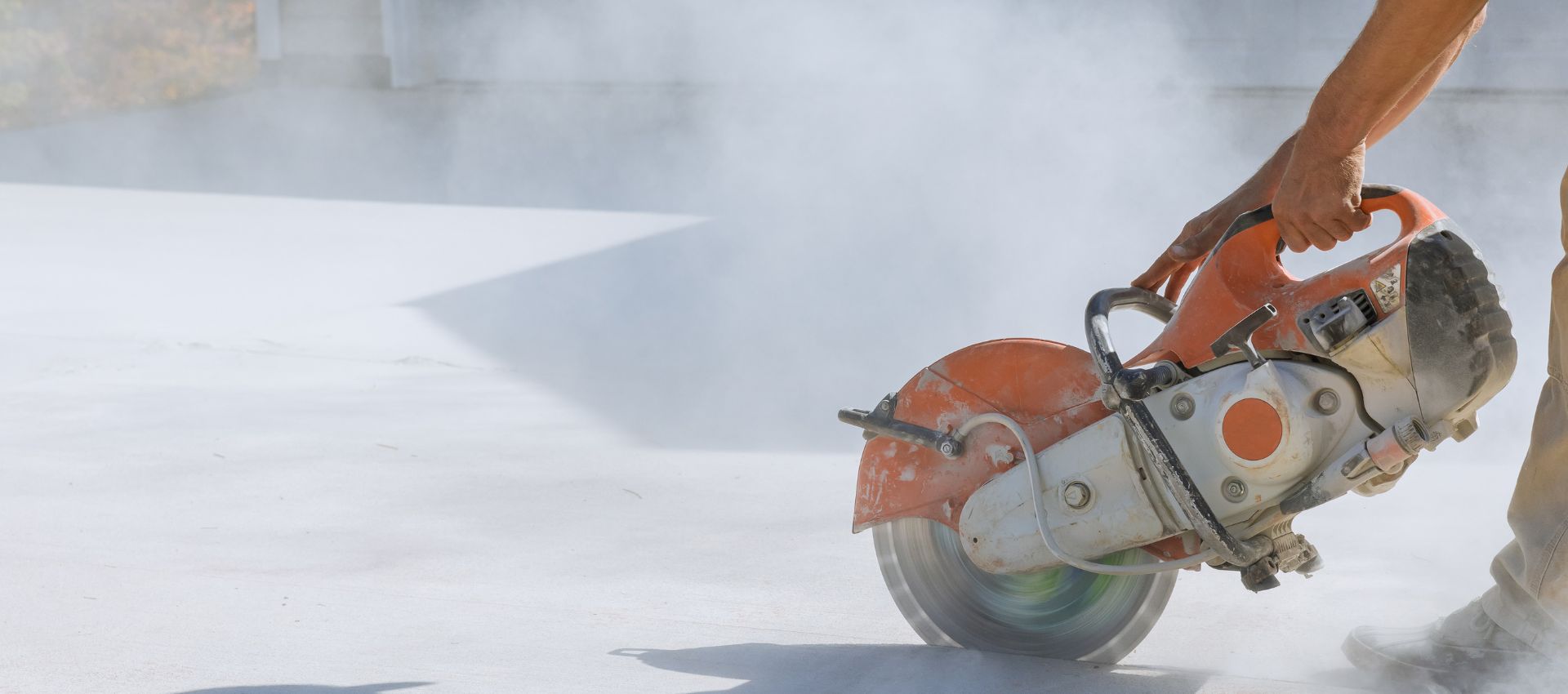 Marked Safe Zones — Gold Coast Site
Any project that involves penetrating an existing concrete slab, wall, or structural element warrants a pre-cut investigation. On the Gold Coast, this spans a wide range of work types.
Residential Renovations and Extensions
Homeowners cutting through slabs to install drainage, create new openings, or lay underfloor services frequently encounter embedded conduits and plumbing not shown on original plans. Professional concrete cutting performed after scanning allows trades to work with confidence rather than guesswork.
Commercial Fit-Outs and Refurbishments
Multi-tenancy commercial buildings — particularly older Gold Coast high-rise and mixed-use developments — contain complex service infrastructure embedded across multiple slabs. Post-tension cable mapping in high-rise construction is one of the most important pre-works investigations in any commercial refit programme.
Core Drilling for Services Installation
Plumbers, electricians, and mechanical contractors drilling through slabs to route new services need to know exactly what is present before coring begins. Even a small core hole struck through a live conduit or post-tension cable creates significant risk. GPR scanning on the Gold Coast provides the clearance technicians need before a core bit engages the slab.
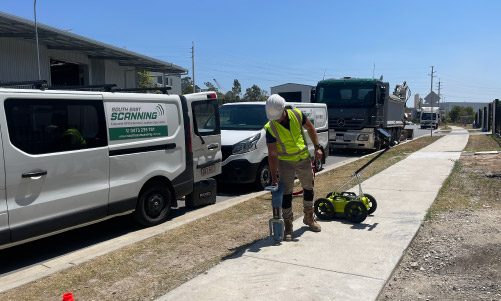 Professional Concrete Cutting — Gold Coast
The practical value of GPR scanning before concrete cutting comes down to a straightforward comparison. The cost of a pre-cut scan on a typical Gold Coast project is a small fraction of the cost of a single service strike — let alone the combined cost of emergency repairs, engineering assessments, rescheduling, and potential liability exposure that follow an incident on site.
South East Scanning provides precision, safety and efficiency for modern concrete cutting worksites, combining scanning and cutting as an integrated service. This means clients receive GPR investigation, safe zone marking, and professional cutting from a single team — reducing coordination complexity and ensuring that the technician performing the cut has direct knowledge of what the scan identified.
Worker Safety
Identifies post-tension cables, live conduits, and structural elements before any blade or bit engages the concrete.
Project Continuity
Planned cuts proceed without unplanned shutdowns, emergency callouts, or rework driven by undetected embedded services.
Defensible Documentation
Scan reports provide a written record of pre-cut due diligence — supporting compliance and professional accountability.
Reduced Cost Exposure
Prevents expensive emergency remediation, structural assessments, and repair costs from undetected service strikes.
Concrete cutting costs on the Gold Coast vary based on slab thickness, access conditions, cut length, and method required. Simple hand sawing or floor sawing for short residential cuts will differ in price from commercial core drilling or wall sawing. Because costs depend heavily on project specifics, the most practical step is to contact South East Scanning directly with your project details for an accurate assessment.
For most residential cutting work on private property, council approval is not typically required. However, if the cutting forms part of a broader structural modification, renovation requiring building approval, or work on public land or shared infrastructure, approval requirements may apply. When in doubt, confirm with your local council or a qualified building certifier before works commence.
Yes — with proper preparation. GPR scanning accurately identifies the location, depth, and run direction of post-tension cables within a slab. Once cables are mapped and marked, cutting operators can plan their cuts to avoid them, or work with a structural engineer to determine a safe methodology where avoidance is not possible. Cutting without prior post-tension cable identification is one of the highest-risk actions on any reinforced concrete project.
For a standard residential driveway, 100mm (approximately 4 inches) of reinforced concrete is generally considered adequate for private vehicle loads. For heavier vehicles, commercial applications, or driveways subject to regular heavy traffic, a structural engineer should confirm the slab specification required. Slab thickness also affects cutting method selection and equipment depth capacity — thicker slabs require different tooling and more preparation.
The lowest upfront option is hand sawing with a hired angle grinder and diamond blade for small, shallow cuts. However, the cheapest method is rarely the lowest-risk or most cost-effective when embedded services are present. A service strike that follows an uninvestigated cut typically costs many times more than professional cutting with prior scanning. For any cut into an existing concrete structure, professional scanning followed by appropriate method selection is the most cost-effective approach across the full project lifecycle.
Concrete cutting on the Gold Coast involves working in structures that contain more embedded complexity than their surfaces reveal. Post-tension cables, reinforcing steel, live electrical conduits, and hydraulic lines are regular features of residential and commercial slabs — and none of them are visible until a blade strikes one. GPR scanning before cutting is not a precaution reserved for complex projects. It is standard due diligence for any penetration into an existing concrete structure.
South East Scanning, founded by brothers Aidan and Dion Waszaj, provides integrated GPR scanning and concrete cutting services across the Gold Coast. The business combines Aidan's background in risk management and professional documentation with Dion's hands-on construction industry experience — delivering investigations that are technically precise and practically useful. Whether you need pre-cut scanning, full concrete cutting on the Gold Coast, or both as a combined service, speak with the team before work commences. Request a quote and start your cutting project with the information you need to work safely.