Dial Before You Dig has become such a routine part of pre-construction planning that it's easy to assume ticking that box means a site is safe to dig, cut, or core. It doesn't. For builders and developers across Queensland, treating a Dial Before You Dig referral as a complete picture of what's underground — or inside a slab — is one of the most common and costly assumptions on a construction site.
Dial Before You Dig (DBYD) is a free national referral service that notifies registered utility asset owners — think water authorities, electricity distributors, and telecommunications providers — that work is planned near their infrastructure. In response, those asset owners typically supply plans showing the approximate location of their known assets in the vicinity.
That's a genuinely useful starting point, and no responsible builder should skip it. But it's important to understand exactly what it is: a records-based notification service, not a physical site investigation. The information returned reflects what utility owners have on file, which isn't always the same as what's actually in the ground or embedded in a slab.
There are several well-known limitations to relying on DBYD information alone. Locations supplied through DBYD referrals are typically approximate rather than precise, since they're based on as-constructed records rather than a physical survey of the specific work area.
Older Infrastructure
Assets installed decades ago may be poorly documented or missing from current records entirely.
Private & Unregistered Services
Irrigation lines, stormwater connections, and services from previous owners rarely appear in any public database.
Approximate Locations
Referral plans are based on records, not a physical survey of the exact work area.
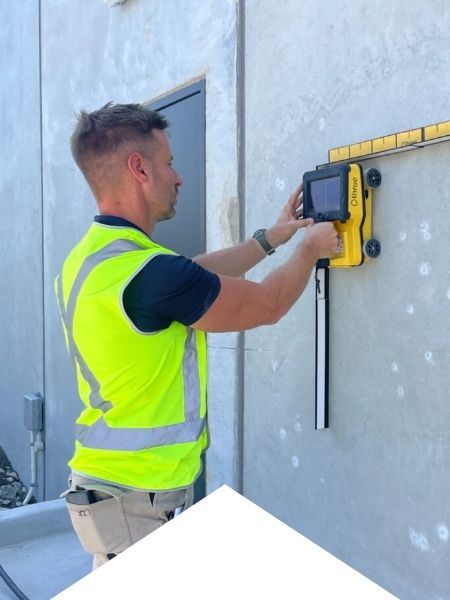
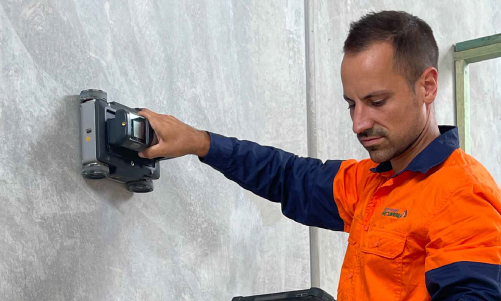
Reinforcement, post-tension cables, in-slab conduits, and embedded services are simply outside its scope. For any project involving coring, cutting, or drilling into existing concrete, DBYD records provide essentially no protection.
 On-Site Utility Verification — The Step After DBYD
The consequences of this gap show up regularly on construction sites. Recent industry commentary has pointed to utility strikes as a persistent and largely preventable cause of project delays, unplanned costs, and safety incidents across the construction sector. A cut service line can mean anything from a minor inconvenience to a significant safety event, a costly repair, disruption to neighbouring properties, and potential liability questions for the builder or contractor responsible for the work.
For projects involving concrete cutting, core drilling, or slab penetrations — common on renovations, extensions, and services upgrades — the risk is compounded by the fact that DBYD was never designed to address what's inside the concrete itself. A crew relying solely on a DBYD referral before coring through an existing slab is working with a genuine blind spot, regardless of how thorough their records search was.
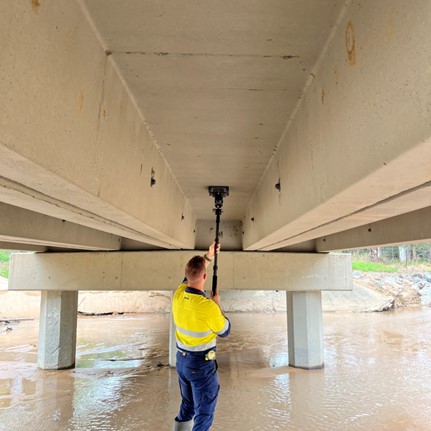
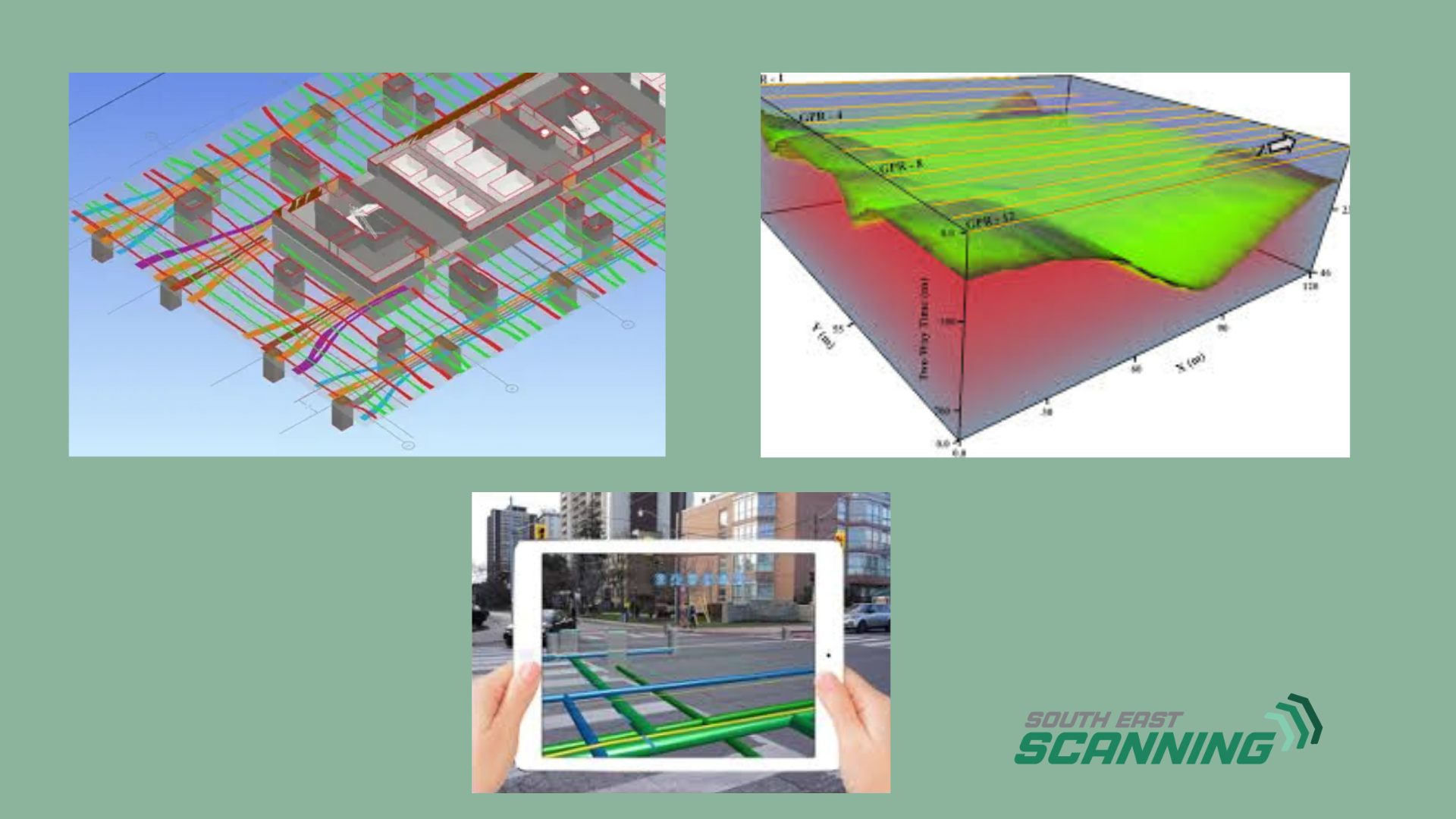
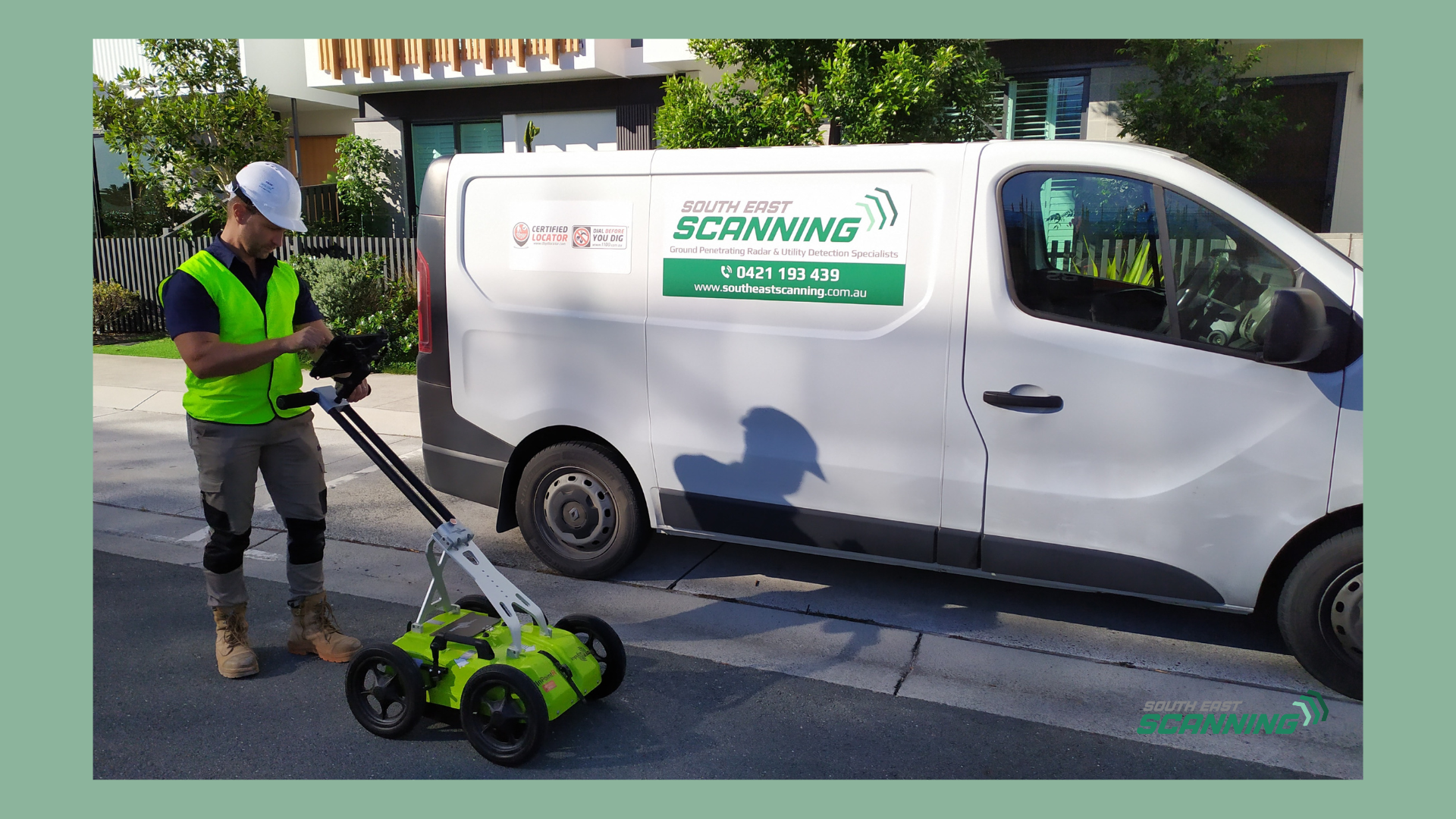
Ground penetrating radar (GPR) scanning addresses exactly the part of the picture that DBYD cannot provide: a physical, on-site verification of what is actually present in the specific area where work is planned.
Records Tell You What's Likely. Scanning Tells You What's There.
DBYD tells you what's likely nearby, based on records. GPR scanning tells you what's actually there, based on direct physical investigation of the exact work area — the next layer of due diligence, not a replacement for the first.
Forward-thinking builders are increasingly treating DBYD and professional scanning as two separate, complementary steps rather than one interchangeable box to tick:
Lodge the DBYD Referral
Submit a DBYD enquiry as early as possible in the planning phase to identify known nearby infrastructure.
Verify With a Professional Scan
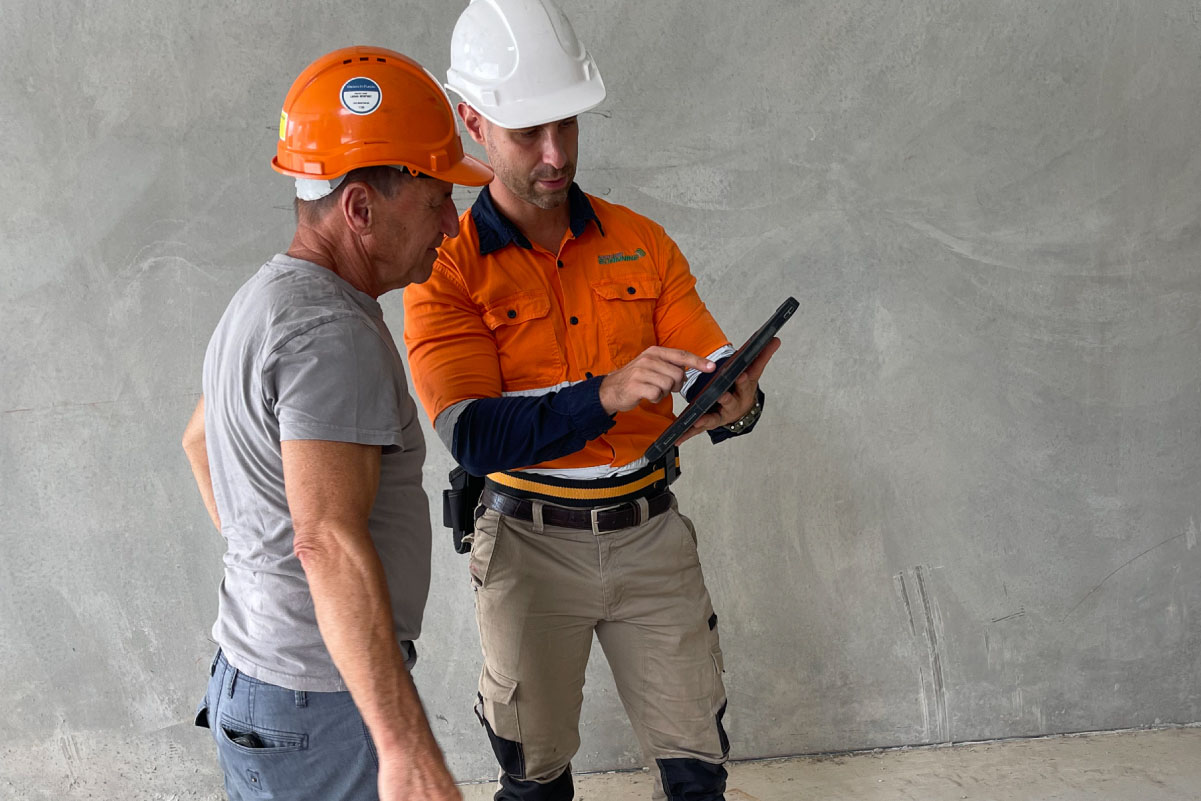
Engage a professional scanning provider to physically verify the specific work area before any cutting, coring, or excavation begins — particularly where existing concrete is involved.
Keep a Documented Record
Hold the DBYD referral and the scan report together as a documented record of due diligence that can support insurance requirements, client reporting, and safety compliance obligations.
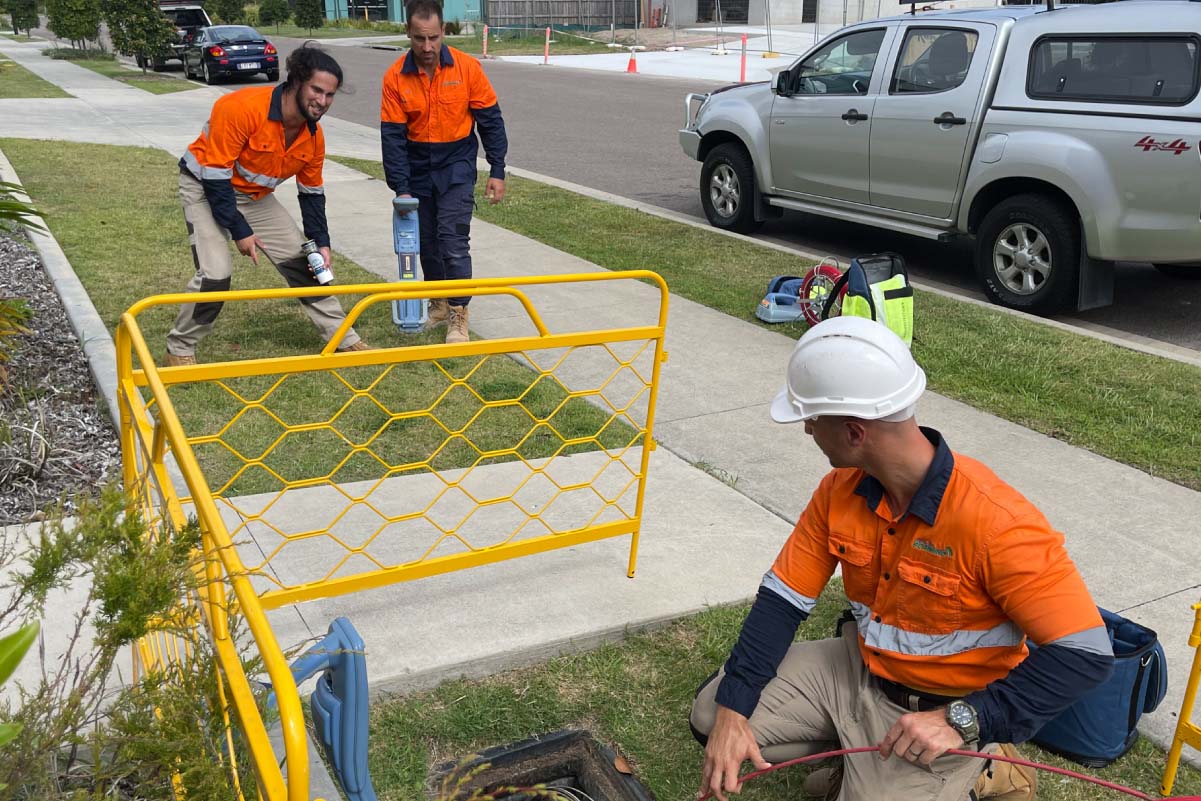 Step Two: GPR Utility Investigation
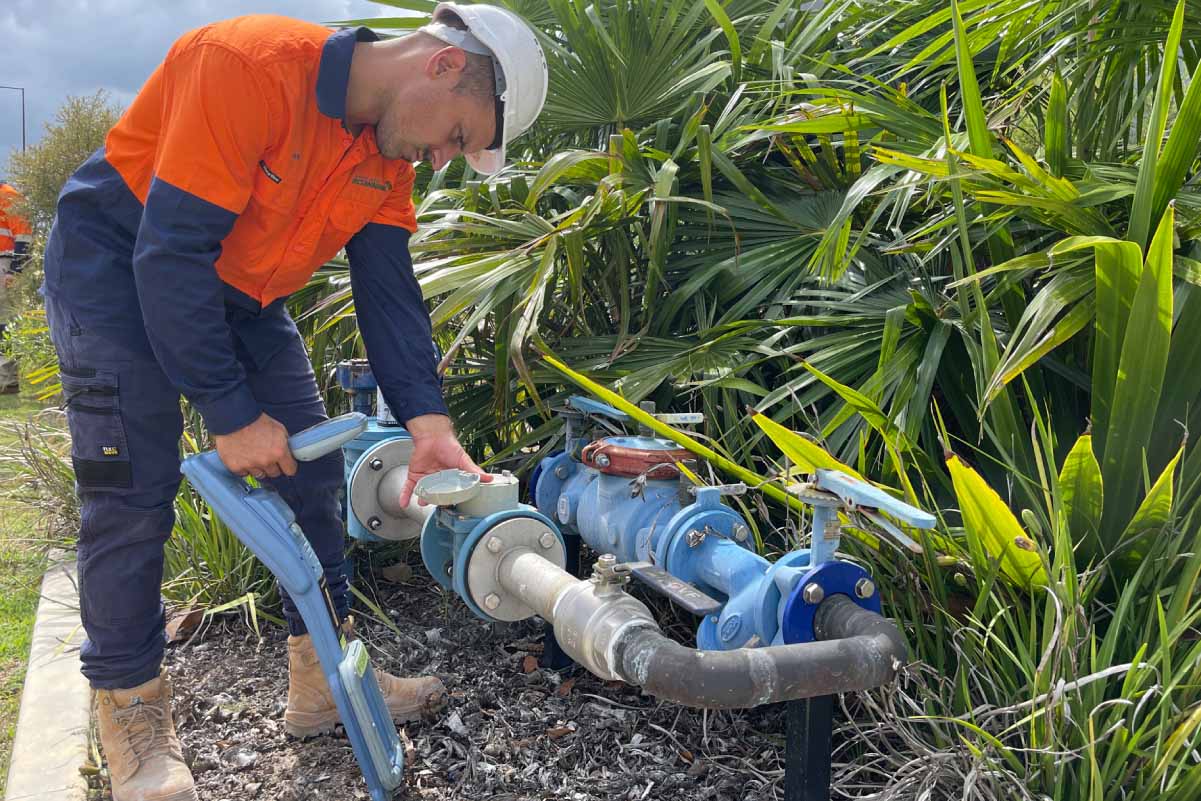 Asset Marking After Verification
Dial Before You Dig is a valuable first step, but it was never intended to be the final word on what's beneath a work site or inside a slab. Builders who understand that distinction — and who back it up with professional GPR scanning and utility locating before critical work begins — put themselves in a far stronger position to avoid the delays, costs, and safety risks that come with an undetected strike.
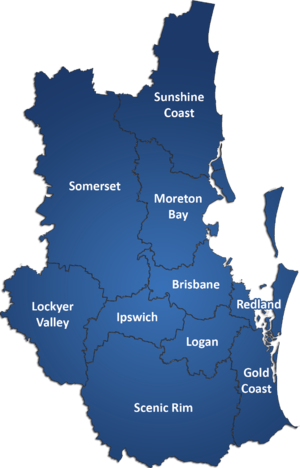
South East Scanning provides GPR concrete scanning and utility locating services across Brisbane and the Gold Coast, helping builders and developers close the gap that Dial Before You Dig leaves open. If you have an upcoming project involving cutting, coring, or excavation, get in touch with our team to discuss how a site-specific scan can support your compliance and safety planning.