When an RPEQ engineer puts their registration to a structural certification, they are staking their professional judgement on what lies beneath a slab, footing, or wall — not just what is visible above it. For builders and developers across Brisbane and the Gold Coast, that simple fact has real consequences: the quality of the subsurface information behind a certification is only ever as good as the data it was built on. Guesswork, assumptions, or outdated drawings do not hold up to engineering scrutiny, and increasingly, they do not hold up to project timelines either.
RPEQ (Registered Professional Engineer Queensland) certification exists to give confidence that a structural assessment has been carried out by a suitably qualified and accountable engineer. When that assessment involves existing concrete structures — slabs, suspended floors, footings, or load-bearing elements — the engineer needs an accurate picture of what is actually inside the concrete: reinforcement layout, slab thickness, post-tension cables, embedded conduits, and any voids or anomalies that could affect structural performance.
Without that information, an engineer is working from assumptions rather than evidence. Recent industry discussion around structural certification has increasingly emphasised the importance of verified site data as a foundation for sign-off, rather than relying solely on original design drawings, which may not reflect as-built conditions, later modifications, or unrecorded remedial work.
Every existing structure has a history that drawings alone rarely capture. Renovations, unpermitted alterations, and decades-old construction practices all mean that what was designed is not always what was built. When an RPEQ engineer is asked to certify a structure's adequacy — for a change of use, an addition, a load increase, or a defect assessment — working from incomplete or unverified information introduces risk on both sides.
For the engineer, incomplete information raises the possibility of a certification that doesn't reflect actual site conditions. For the builder or developer, it can mean delays if the engineer requests additional investigation once work is underway — or worse, if an issue only becomes apparent once concrete has already been cut, cored, or demolished. Getting subsurface verification right at the start is almost always cheaper and faster than resolving problems mid-construction.
 Verified Data, Not Assumptions
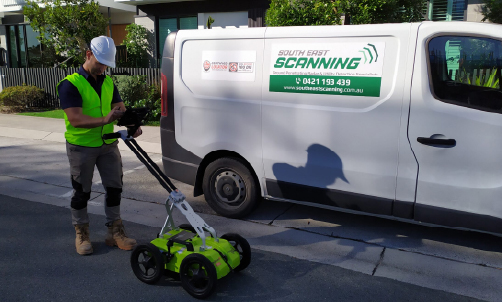
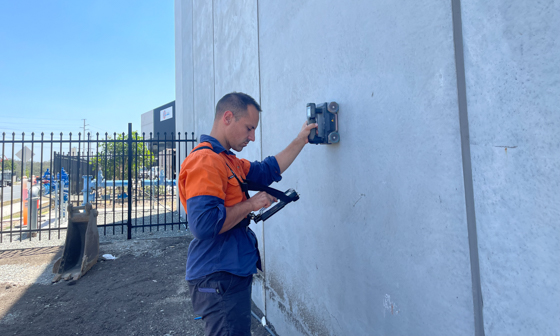
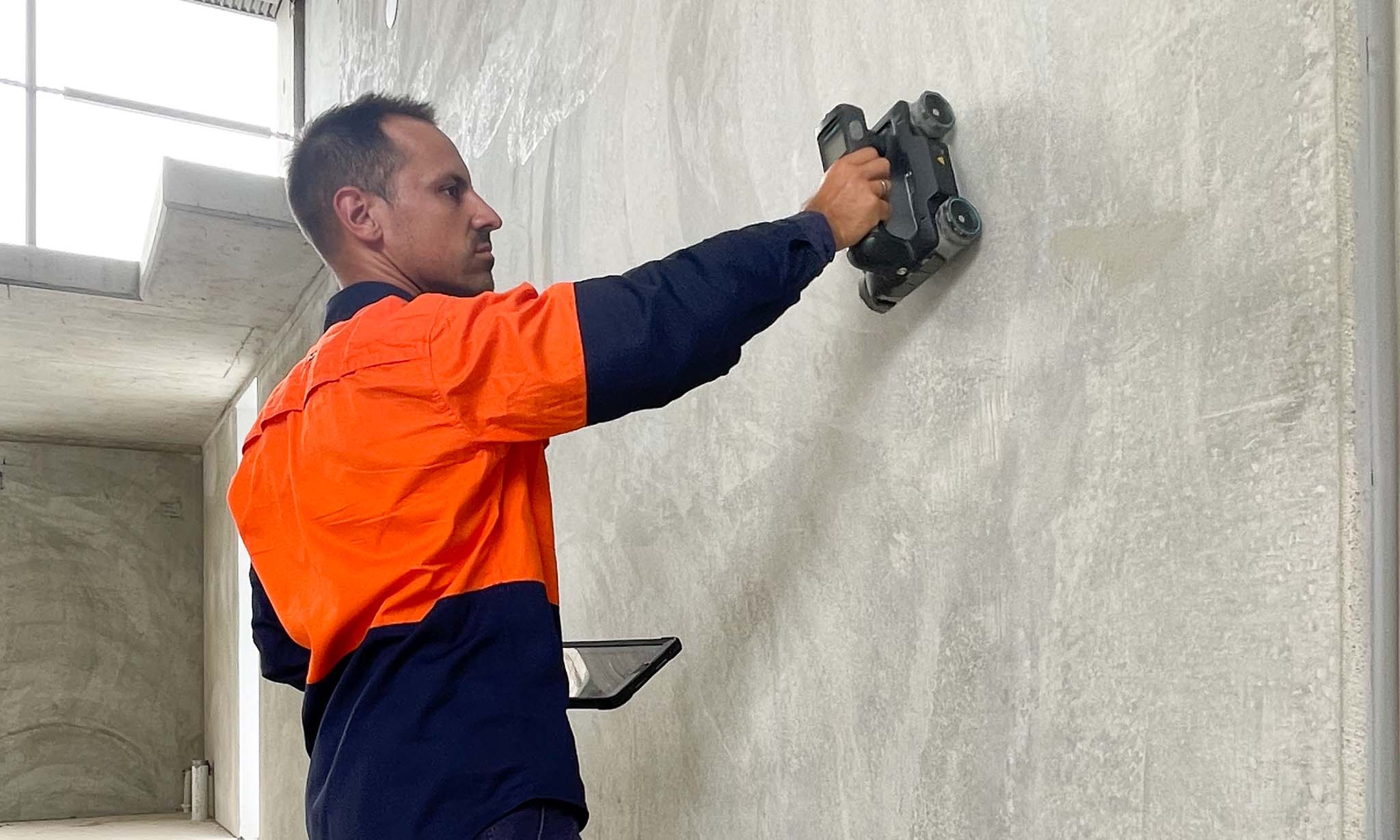
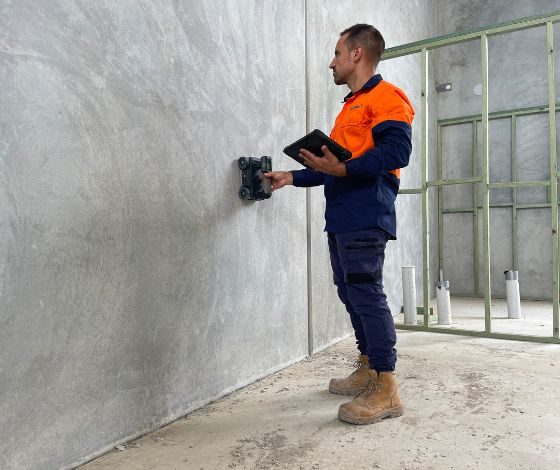
Ground penetrating radar (GPR) scanning gives a non-destructive, real-time view of what is inside a concrete element before any drilling, cutting, or coring takes place. A properly conducted concrete scanning survey can identify the following with genuine, site-specific accuracy:
Reinforcement & Cover Depth
Reinforcement steel layout and its cover depth, mapped across the scanned area.
Slab Thickness
Accurate thickness readings that feed directly into an engineer's own calculations.
Post-Tension Cables
Location of PT cables within the slab, critical to avoid before any cutting or coring.
Conduits, Voids & Deterioration
Services runs and areas of potential deterioration or voiding, documented for the record.
This is the kind of detailed, site-specific evidence that an engineer can actually use — not a general assumption about typical construction practice for a building of a certain age, but a documented, verifiable record of what is physically present. Scan data of this quality gives an RPEQ engineer a genuine evidentiary basis for their assessment, which supports both the accuracy of the certification and the confidence that other parties — councils, certifiers, and other consultants — can place in it.
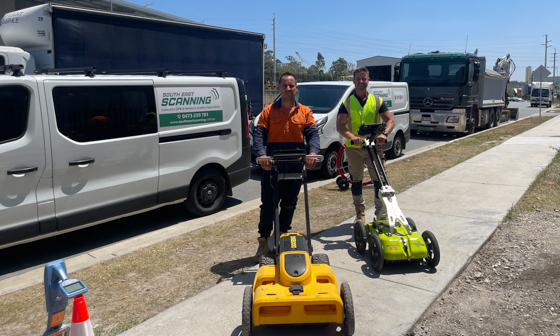
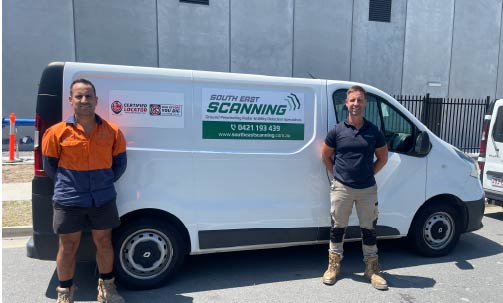
At South East Scanning, we see our GPR scanning and utility locating work as one half of a two-part process that ends in a defensible engineering outcome. Our scanning teams gather detailed, accurate subsurface data on site, and that information is then provided to our partner RPEQ engineers, who use it as an input to their own independent structural assessment and RPEQ certification.
Scanning Provides the Data. The RPEQ Engineer Provides the Certification.
South East Scanning does not issue structural certifications, and our partner RPEQ engineers do not conduct the scanning themselves. Each party brings a distinct, specialised skill set to the project — and the handover between scan data and engineering assessment is where accuracy matters most.
Scan Data Is Gathered On Site
Our scanning teams gather detailed, accurate subsurface data — reinforcement layout, cover depths, slab thickness, PT cables, and any anomalies — documented in a clear report.
The Report Is Handed to Our Partner RPEQ Engineer
That report gives the certifying engineer what they need to reach a sound, well-supported conclusion — without unnecessary back-and-forth or repeat site visits.
Independent Structural Assessment & Certification
Our partner RPEQ engineers use the scan data as an input to their own independent structural assessment, reaching and issuing the certification.
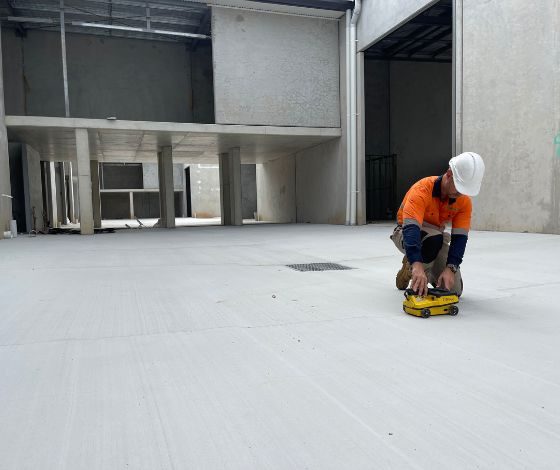 On-Site GPR Scanning
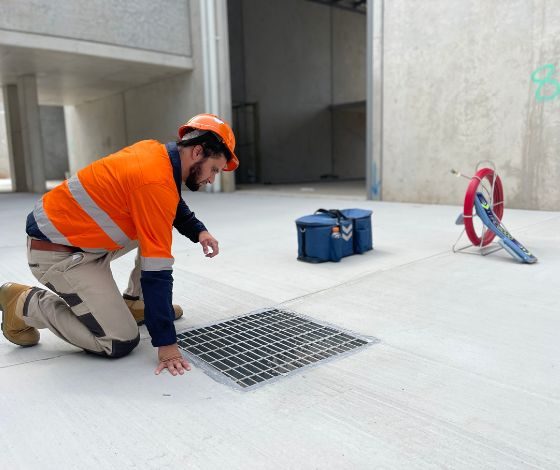 Data Handed to Our Partner RPEQ Engineer
Not all concrete scanning is equal, and not every provider understands what an RPEQ engineer actually needs from a scan report to support certification. A scan that simply flags "reinforcement detected" is of limited use to an engineer who needs cover depths, bar spacing, and slab thickness to run their own calculations.
This is why builders and developers working toward an RPEQ certification should engage a scanning provider that understands the end use of the data — not just the scanning itself. Clear reporting, consistent methodology, and open communication between the scanning team and the certifying engineer all reduce the risk of delays, rework, or disputes later in the project.
If your project involves structural changes to an existing building, a defect investigation, or any work that will ultimately require RPEQ sign-off, the process starts well before the engineer picks up a pen. It starts with accurate, well-documented subsurface data that gives everyone involved — builder, developer, and engineer — a shared, verified picture of what's really there.
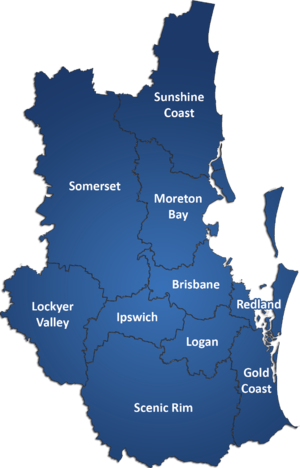
South East Scanning provides detailed GPR concrete scanning across Brisbane and the Gold Coast, working alongside our partner RPEQ engineering practice to support projects that need both accurate scan data and independent structural certification. If you have an upcoming project that may require RPEQ sign-off, get in touch with our team to discuss how our scanning services can support your engineer's assessment from day one.