More Queensland car parks are adding EV chargers, and almost every install means drilling into concrete. Pedestals and bollards are anchored into the slab, and cabling often runs through new core holes. In a car park, that concrete is often a suspended or post-tensioned slab, which is exactly where a wrong hole becomes a serious problem. Here's why GPR scanning is the first step before any charger goes in.
Why EV Charger Installs Involve the Slab
A typical car park charger install can involve several kinds of penetration into the concrete:
Anchors and Fixings
Chemical or mechanical anchors to fix charger pedestals, wall brackets and protective bollards.
Core Holes
Penetrations through suspended slabs and walls to run power from switchboards to each bay.
Saw Cuts and Trenches
Cutting into on-ground slabs to bury conduit across driving aisles.
Each one is a point where a drill bit or saw blade could meet steel, a live conduit or a tensioned cable.
Many multi-level car parks use post-tensioned slabs. Cutting or damaging a tensioned tendon can affect the slab's structural capacity, and repairs are costly and disruptive. Tendon locations need to be known before anyone drills.
What a Scan Tells the Installer
Ground penetrating radar lets us see what's inside the concrete without breaking it. Before charger works, a scan can map:
Reinforcement
The layout and spacing of rebar mesh and bars, so anchors and cores can sit between them.
Post-Tension Tendons
The position of tensioned cables, including their changing profile through the slab.
Existing Conduits
Electrical and data conduits already cast into the slab, so they are not cut during the install.
Safe Zones
Clear areas marked directly on the surface where it is safe to drill, core or fix.
Our guide to mapping post-tension cables explains how tendons are located, and our builder's guide to locating rebar, post-tension cables and conduits covers what to check before cutting.
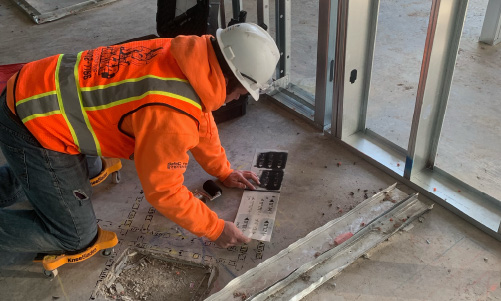
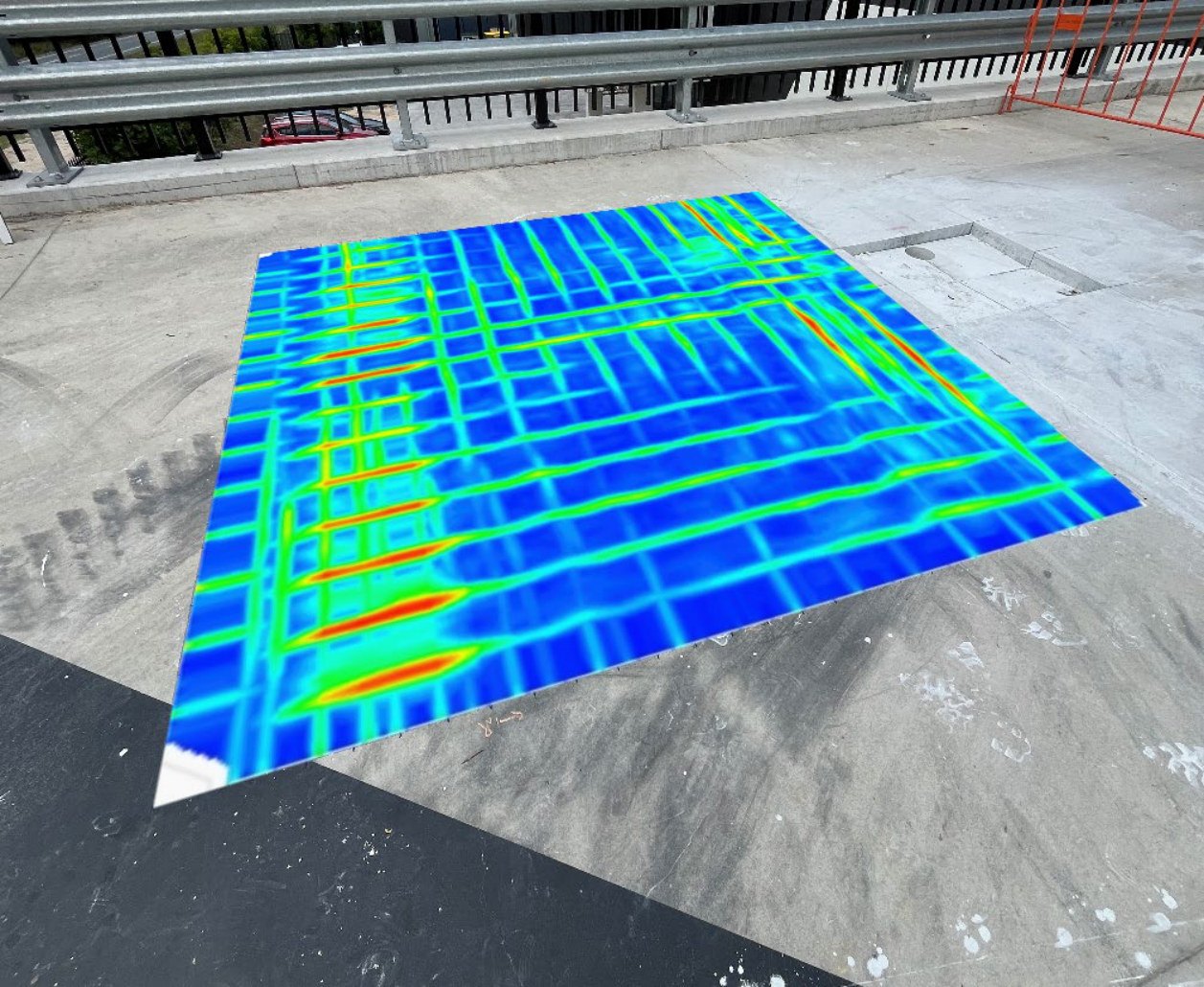 Reinforcement Mapped Before Coring
How to Plan a Charger Install Around the Scan
Lay Out the Bays First
Confirm which bays get chargers and the proposed cable route, so the scan covers every fixing and core location.
Scan and Mark Up
We scan each location and mark reinforcement, tendons, conduits and clear zones directly on the slab.
Adjust Where Needed
If a planned core or anchor clashes with steel or a tendon, it can often be moved a short distance to a clear zone.
Get Sign-Off if Required
Where cores go through a suspended slab or a post-tensioned deck, an engineering assessment may be needed before work starts.
For structural questions, such as whether a core can go through a suspended slab at all, we pair our scanning with an independent RPEQ assessment. Our article on whether you need an engineer to core a suspended slab explains when that applies.
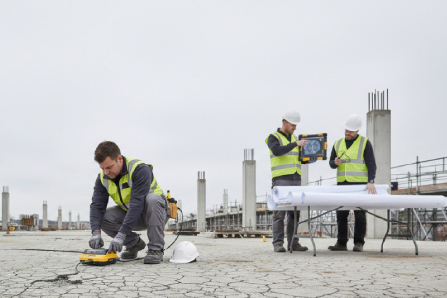
 GPR Scanning on a Deck Slab
Who This Applies To
Scanning before charger works is relevant to electrical contractors, body corporates and strata managers, shopping centre and office car park owners, fleet depots and builders fitting out new car parks. If the slab is suspended or post-tensioned, or the drawings are uncertain, a scan takes the guesswork out.
We work across South East Queensland, including Brisbane, the Gold Coast, Ipswich and the Sunshine Coast, and through Central Queensland.
Frequently Asked Questions
Do I need to scan before installing EV chargers in a car park?
If the work involves anchors, cores or saw cuts in concrete, scanning first is the safest way to avoid hitting reinforcement, post-tension tendons or live conduits, especially in suspended or post-tensioned slabs.
Can GPR find post-tension cables?
Yes. GPR scanning maps the position of post-tension tendons along with reinforcement and conduits, so drilling and coring can be planned around them.
Do I need an engineer to core through a car park slab?
It depends on the slab and the size and location of the core. Coring suspended or post-tensioned slabs often needs a structural assessment, which we can arrange through an independent RPEQ engineer.
Can you scan several charger bays in one visit?
Yes. Planning the bay layout and cable route first lets us scan every fixing and core location in one visit.
EV chargers are a straightforward upgrade, but the concrete underneath them is not always simple. Scanning first protects the structure, the installers and the project timeline.
Planning a charger install? Send us the details for a quote, learn about our RPEQ certification service, or call 1300 175 543.