Balconies take a beating in Queensland. Sun, rain, salt air and years of water sitting on the surface all work on the concrete and the steel inside it. When cracking, rust stains or spalling appear, remedial work usually follows, and that work goes far more smoothly when you know what's inside the slab before anyone starts breaking it out. Here's how GPR scanning helps plan balcony repairs.
Common Signs a Balcony Needs Attention
Balcony problems usually show on the surface long before they become serious. Watch for:
Cracking
Cracks across the slab or along the edge, especially where water pools or drains.
Rust Stains
Brown staining on the underside or edges, often a sign the reinforcement is corroding.
Spalling
Pieces of concrete breaking away and exposing the steel beneath.
Water Issues
Leaks into rooms below, failed membranes or tiles that sound hollow.
Corroding reinforcement, often called concrete cancer, is one of the most common causes. Our article on early detection of concrete cancer with GPR explains how it develops.
What a Scan Shows Before Repairs
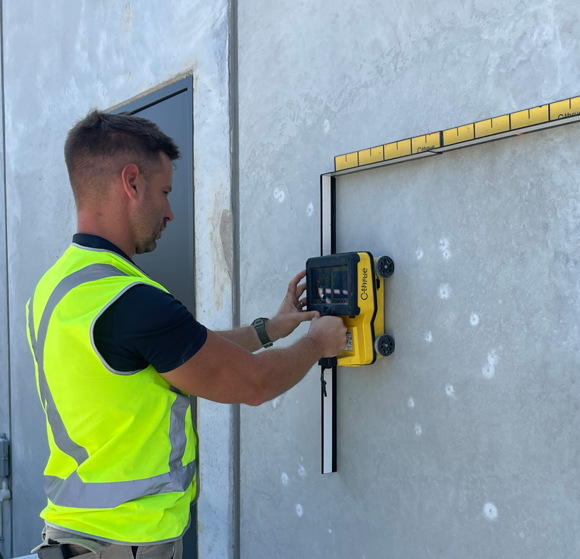
GPR scanning maps the inside of a balcony slab without breaking it out. Before remedial work, a scan can show:
Reinforcement Layout
Where the bars run and how they are spaced, so breakouts and repairs can be planned.
Cover to Steel
How deep the steel sits below the surface. Low cover is a common reason reinforcement corrodes.
Voids and Anomalies
Areas that may need closer investigation before work begins.
Safe Fixing Points
Clear zones for balustrade posts, anchors and new fixings at the slab edge.
Cover depth matters more than most people realise. Our guide to the impact of concrete cover on structural integrity explains why.
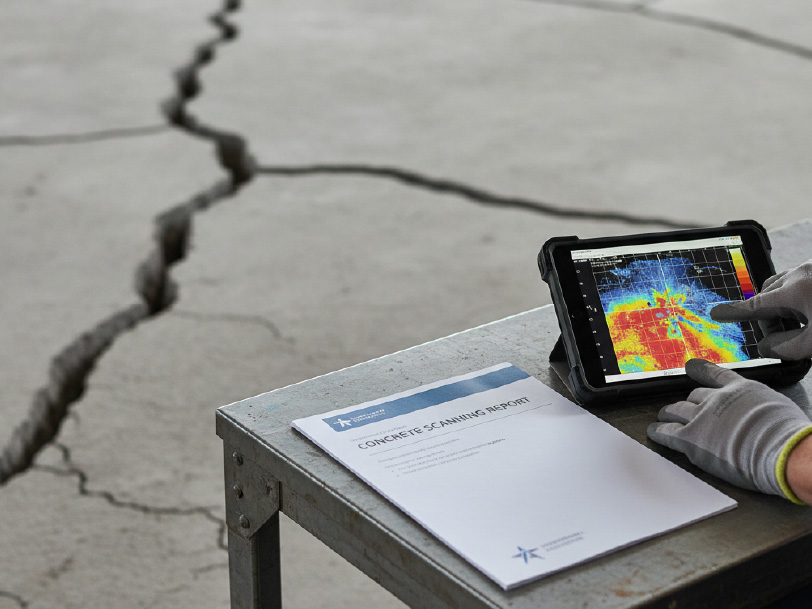 Assessing a Cracked Slab
Balustrade fixings, drainage outlets and waterproofing upstands are often at the slab edge, where reinforcement can be congested. Drilling blind in these areas risks hitting steel or weakening the edge.
How Scanning Fits Into a Remedial Project
Scan and Record
We scan the balcony and record reinforcement, cover and any anomalies in a factual scan record.
Plan the Repair
Your engineer or remedial contractor uses the scan to scope breakouts, repairs and new fixings.
Certify Where Needed
For structural questions, we pair our scanning with an independent RPEQ assessment of the proposed repair methodology.
Carry Out the Works
Contractors work from marked-up locations, reducing surprises once concrete is opened up.
Our RPEQ certification service covers remedial works, including certifying the proposed repair methodology for cracking, subsidence or water damage.
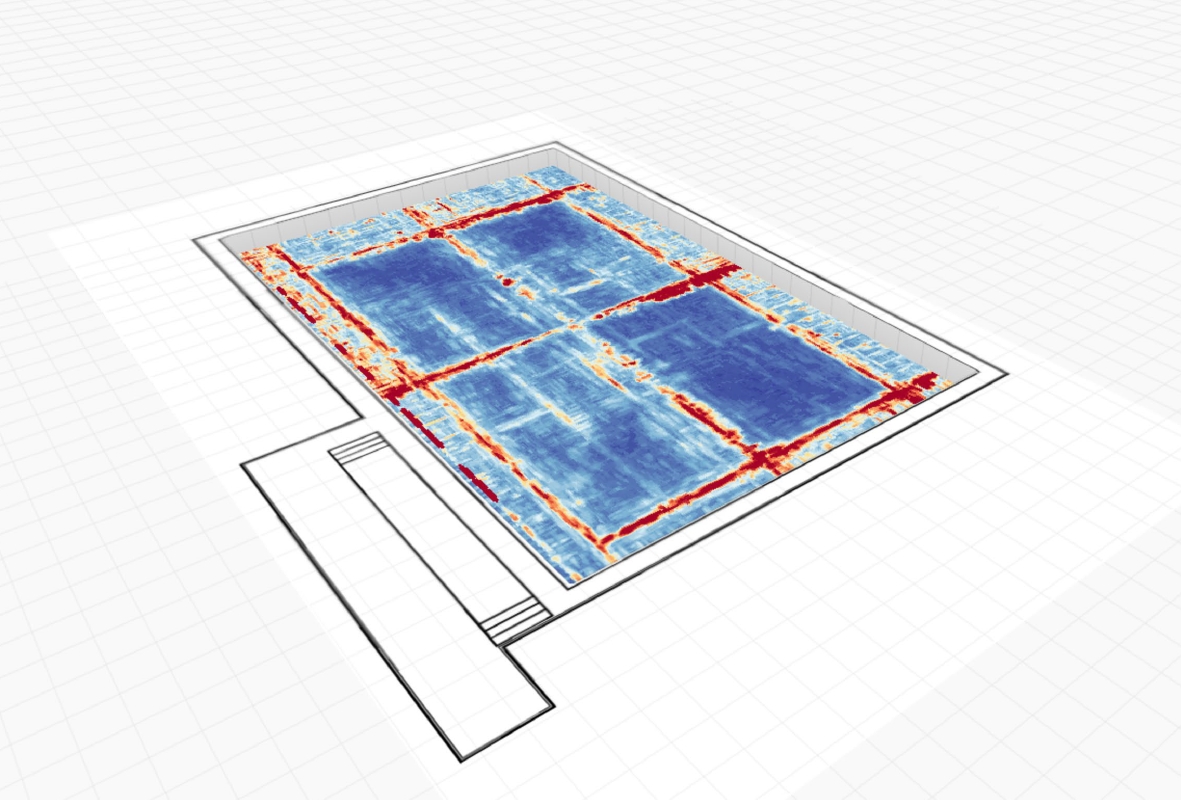
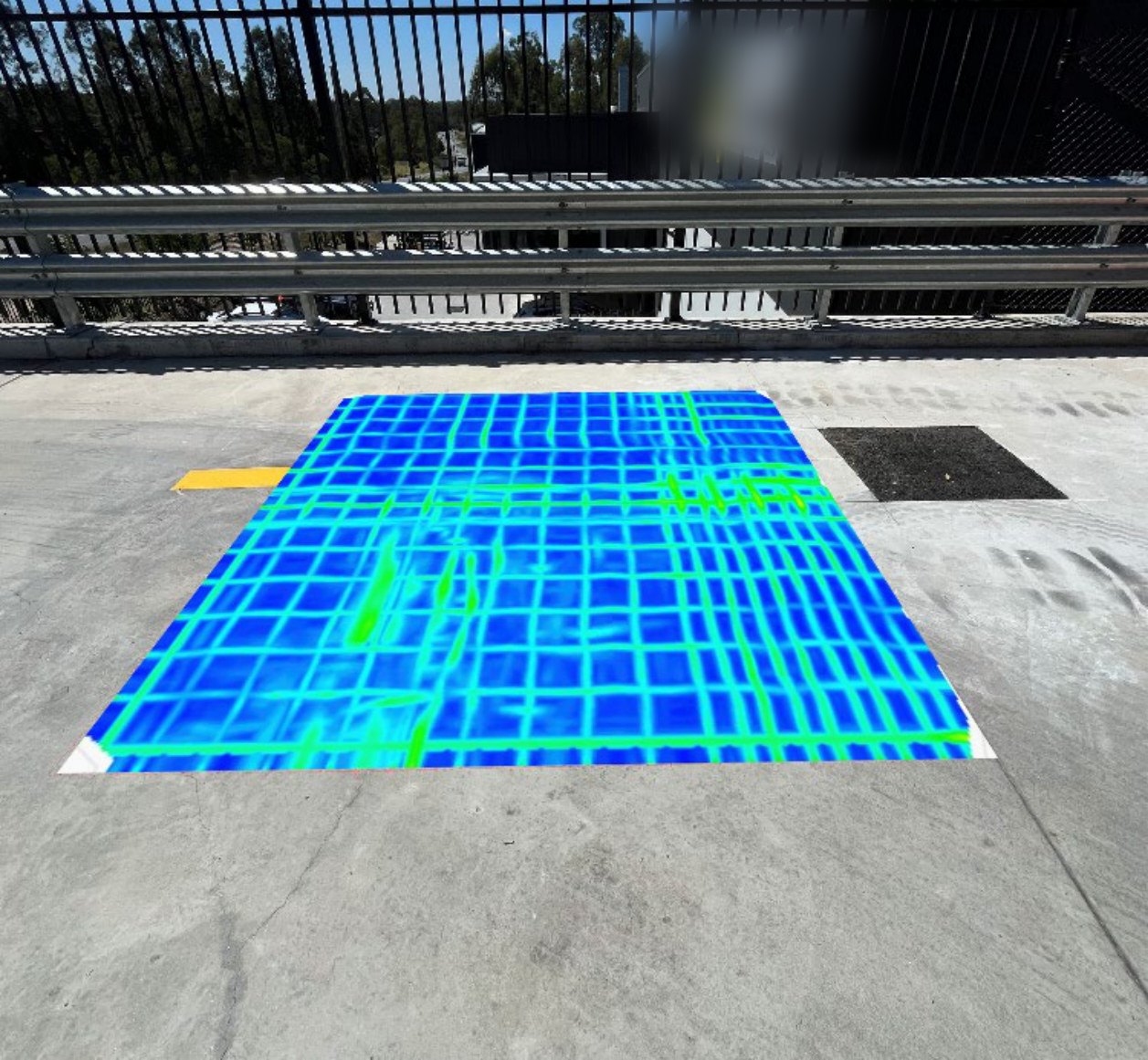 Reinforcement Mapped on a Deck Slab
Who Uses Balcony Scanning
Balcony scanning is useful for body corporates and strata managers planning maintenance, remedial builders and waterproofers, engineers scoping repairs and building owners preparing for balustrade replacement.
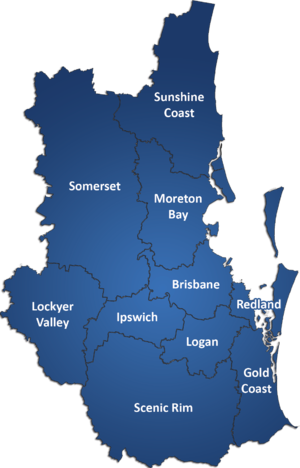
We work across South East Queensland, including Brisbane, the Gold Coast, Ipswich and the Sunshine Coast, and through Central Queensland.
Frequently Asked Questions
Can GPR detect concrete cancer in a balcony?
GPR maps reinforcement and cover depth and can highlight areas worth closer investigation. Combined with a visual inspection, it helps target where repairs are needed.
Do I need to scan before replacing a balustrade?
New balustrade posts are usually fixed into the slab edge, where reinforcement can be congested. Scanning first helps place fixings clear of the steel.
Does a scan damage the balcony?
No. GPR scanning is non-destructive. It maps what is inside the concrete without cutting or coring.
Can you provide engineering sign-off for balcony repairs?
Yes. Where a structural decision is needed, we pair our scanning with an independent RPEQ assessment issued as a separate certified report.
A balcony repair is far easier to scope, price and deliver when you know what's inside the slab before work starts.
Planning balcony repairs? Send us the details for a quote, learn about our RPEQ certification service, or call 1300 175 543.