Hidden Risks in Concrete Slabs and How Professional Scanning Detects Them Early

Concrete slabs form the structural backbone of many residential, commercial, and industrial buildings — from foundations and floors to parking structures and balconies. What lies inside these slabs, however, is often far more complex than the solid surface suggests. Beneath the exterior can be a network of reinforcement, cables, conduits, and other embedded materials that… Continue reading Hidden Risks in Concrete Slabs and How Professional Scanning Detects Them Early

A Builder’s Guide to Locating Rebar, Post-Tension Cables, and Conduits Before Cutting

Cutting into concrete is a routine task on many construction sites, but doing so without proper preparation can lead to costly and dangerous consequences. Hidden within concrete slabs and walls are critical structural and utility elements — reinforcing steel (rebar), post-tension cables, and electrical conduits. Accidentally cutting into these components can weaken a structure, cause… Continue reading A Builder’s Guide to Locating Rebar, Post-Tension Cables, and Conduits Before Cutting

What Happens Before You Break Ground? The Critical Checks Every NSW Project Needs

Before any construction or excavation project in New South Wales begins, there’s a critical phase that often gets overlooked: pre-digging checks. Skipping this stage can lead to costly mistakes, safety hazards, or even legal consequences. Understanding what needs to be done before breaking ground ensures that your project runs smoothly, safely, and in compliance with… Continue reading What Happens Before You Break Ground? The Critical Checks Every NSW Project Needs

Precision Matters: How Professional Concrete Cutting Keeps Projects on Track

Concrete is one of the most widely used construction materials, prized for its strength, durability, and versatility. However, working with concrete isn’t as simple as pouring it into a form and waiting for it to set. Precision is critical when it comes to cutting concrete, whether for creating expansion joints, removing damaged sections, or installing… Continue reading Precision Matters: How Professional Concrete Cutting Keeps Projects on Track

When Concrete Cutting Is Required for Construction Projects

Concrete is one of the most versatile and durable materials used in construction, but many projects require it to be carefully cut or modified to suit new designs, installations, or repairs. From creating openings for doors and windows to installing plumbing, electrical, or ventilation systems, concrete cutting allows work to be carried out with precision… Continue reading When Concrete Cutting Is Required for Construction Projects

Why Checking Underground Services Is Essential Before Excavation
Excavation is a crucial step in many construction, landscaping, and home improvement projects. Whether you are installing a pool, laying foundations, or digging trenches for utilities, checking for underground services before you start digging is essential. Pipes, cables, and other buried infrastructure can pose serious safety risks, cause costly damage, and lead to legal complications… Continue reading Why Checking Underground Services Is Essential Before Excavation
Concrete Cutting: Precision, Safety and Efficiency on Modern Worksites

Concrete cutting plays a critical role in construction, renovation, and infrastructure projects across Australia. From residential renovations to large-scale commercial developments, precise concrete cutting allows builders and contractors to modify existing structures without compromising safety or structural integrity. As construction standards continue to evolve, professional concrete cutting has become an essential service for achieving clean,… Continue reading Concrete Cutting: Precision, Safety and Efficiency on Modern Worksites

Dial Before You Dig: Why Every Excavation Needs a Call

Calling before digging is essential for safety. Protect utilities and ensure a smooth project with a pre-dig check.

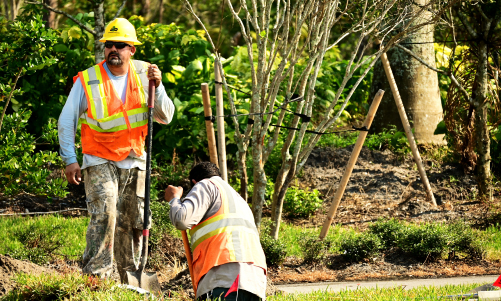
What’s Lurking Beneath Your Local Park? How GPR Reveals the Secrets Hidden Just Below the Grass

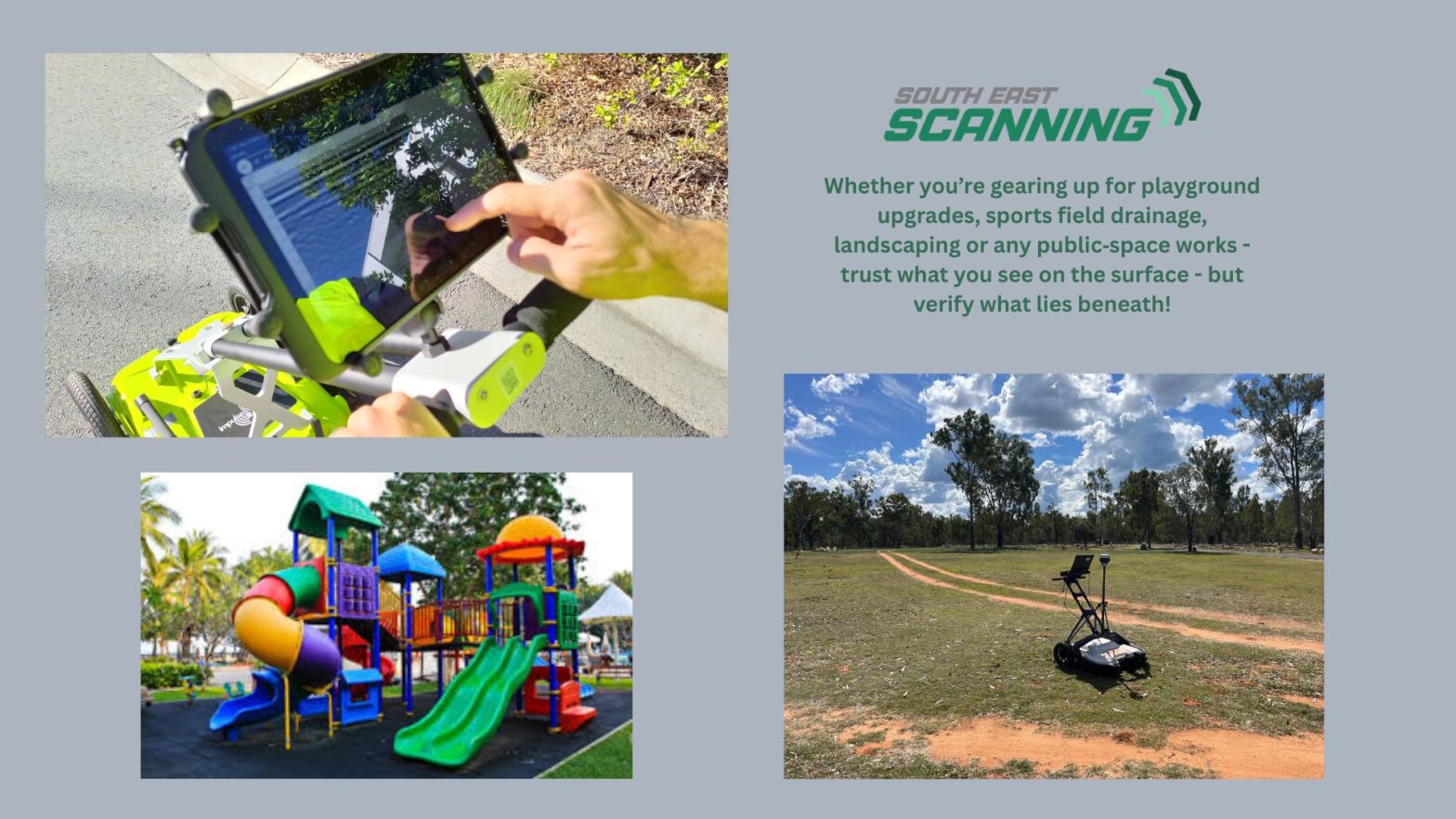
Imagine walking across your favourite park on the Sunshine Coast. Kids on swings, joggers weaving between trees, a dog chasing a ball. It all seems normal, peaceful. But beneath the surface, something else might be happening – pipes have shifted, utilities lie undocumented, old trenches silently fill with water, voids may form under the turf.… Continue reading What’s Lurking Beneath Your Local Park? How GPR Reveals the Secrets Hidden Just Below the Grass

How Accurate Is Concrete Scanning Technology?

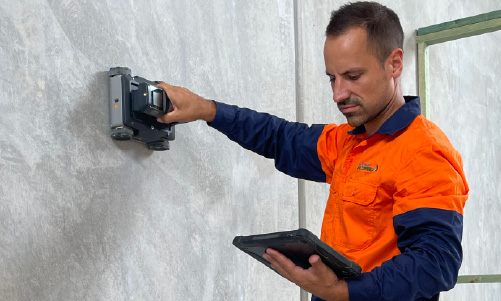
Concrete scanning has become an essential step before cutting, coring, drilling or installing anchors into slabs, walls and structural elements. For trades, builders and site managers who rely on safety, efficiency and avoiding expensive mistakes, the big question is: how accurate is concrete scanning technology? In this post I’ll explain the main scanning methods, what… Continue reading How Accurate Is Concrete Scanning Technology?

The Least-Known Facts About GPR Scanning That Might Surprise You

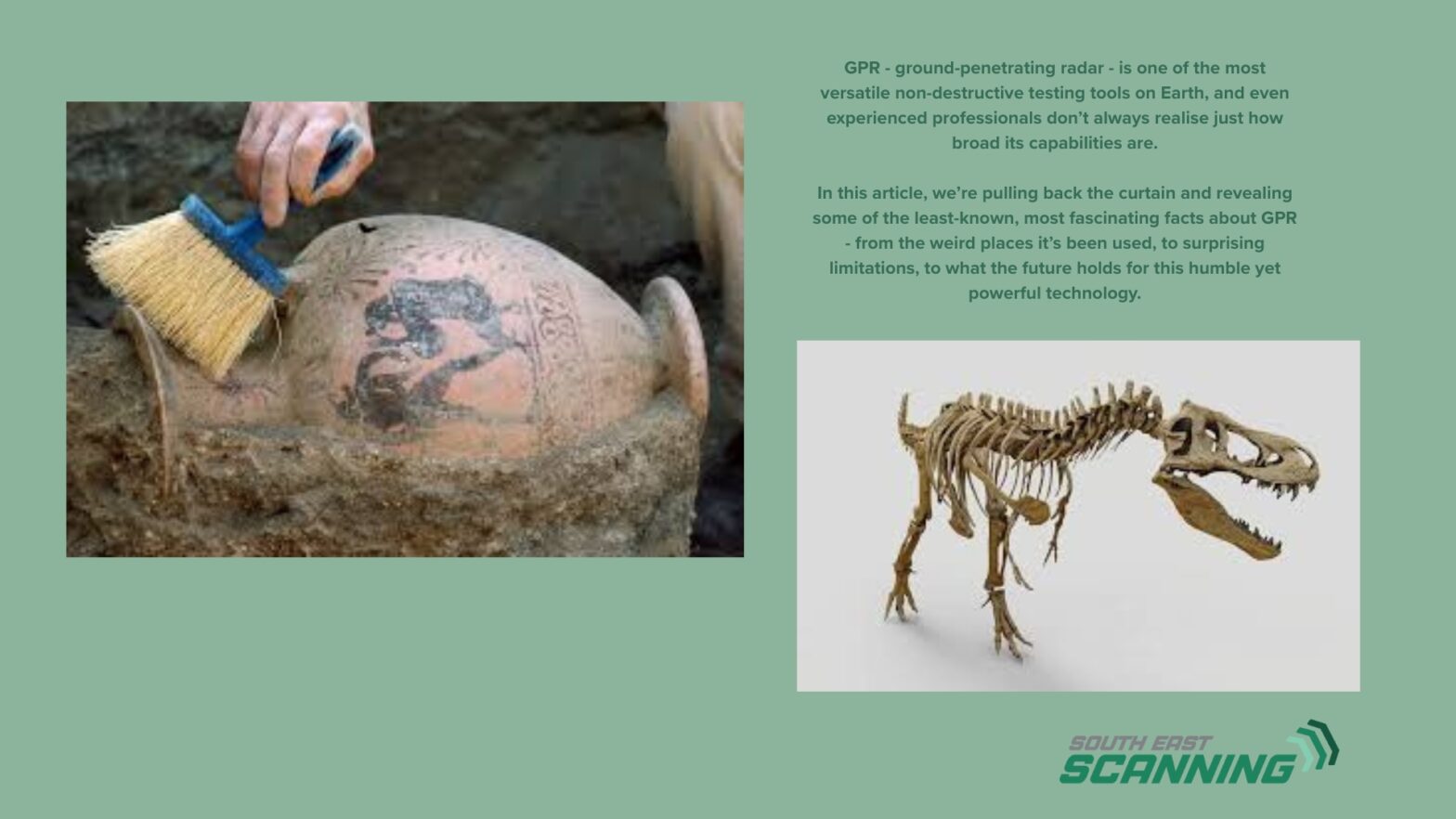
Beyond concrete and conduits: What most people don’t realise about ground-penetrating radar (GPR) At South-East Scanning, we’re used to being called in for concrete scanning, utility locating, and void detection under warehouse slabs. But GPR – ground-penetrating radar – is one of the most versatile non-destructive testing tools on Earth, and even experienced professionals don’t… Continue reading The Least-Known Facts About GPR Scanning That Might Surprise You

Concrete X-Ray vs GPR Scanning: What’s the Difference?

When you need to see what’s hidden inside concrete — rebar, conduits, voids or post-tension cables — two non-destructive testing methods are commonly used: Concrete X-ray (radiography) and Ground Penetrating Radar (GPR). Both reveal subsurface features without cutting or core-drilling, but they work very differently and suit different jobs. This post explains how each technology… Continue reading Concrete X-Ray vs GPR Scanning: What’s the Difference?

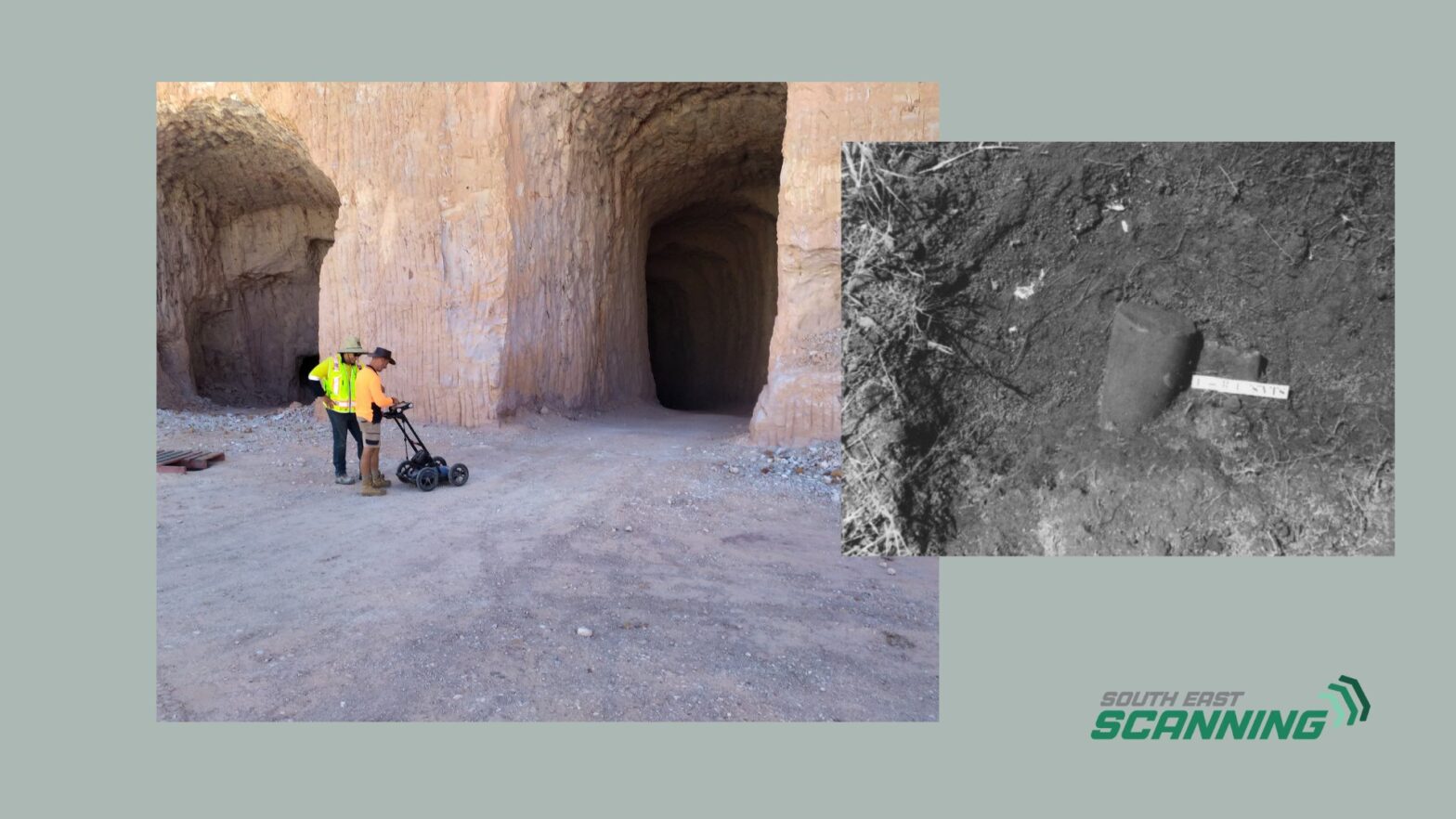
GPR in Archaeology: How We Detect Ancient Foundations Without Excavation

Unearthing History Without A Shovel. Imagine being able to reveal the layout of a long-lost foundation, buried road, or forgotten settlement without ever turning a spade. That’s precisely what ground-penetrating radar (GPR) enables for archaeologists and heritage managers: a non-invasive way to “see” beneath the ground with precision and care. At South-East Scanning, while much… Continue reading GPR in Archaeology: How We Detect Ancient Foundations Without Excavation

The Future of Construction Technology: GPR, Drones, and Beyond

Is Your Construction Process Stuck in the Past? The Future Is Already Here. Imagine planning a major build — only to find out halfway through that you’ve hit a buried utility or missed a design flaw that could have been detected weeks earlier. In today’s rapidly advancing construction industry, relying on outdated methods isn’t just… Continue reading The Future of Construction Technology: GPR, Drones, and Beyond

How Concrete Radar Helps Plan Renovations, Extensions, and Retrofits

Think You Know What’s Beneath Your Concrete? Think Again. When it comes to renovating, extending, or upgrading a property, what you can’t see beneath the surface can cost you thousands. Hidden rebar, electrical wiring, or post-tension cables can turn a simple project into a dangerous and expensive mistake. That’s where concrete radar scanning comes in… Continue reading How Concrete Radar Helps Plan Renovations, Extensions, and Retrofits

Why GPR Is Critical in Substations, Switchyards, and High-Voltage Zones

Imagine planning a major build — only to find out halfway through that you’ve hit a buried utility or missed a design flaw that could have been detected weeks earlier. In today’s rapidly advancing construction industry, relying on outdated methods isn’t just inefficient — it’s risky. Technologies like Ground Penetrating Radar (GPR), drones, and 3D… Continue reading Why GPR Is Critical in Substations, Switchyards, and High-Voltage Zones

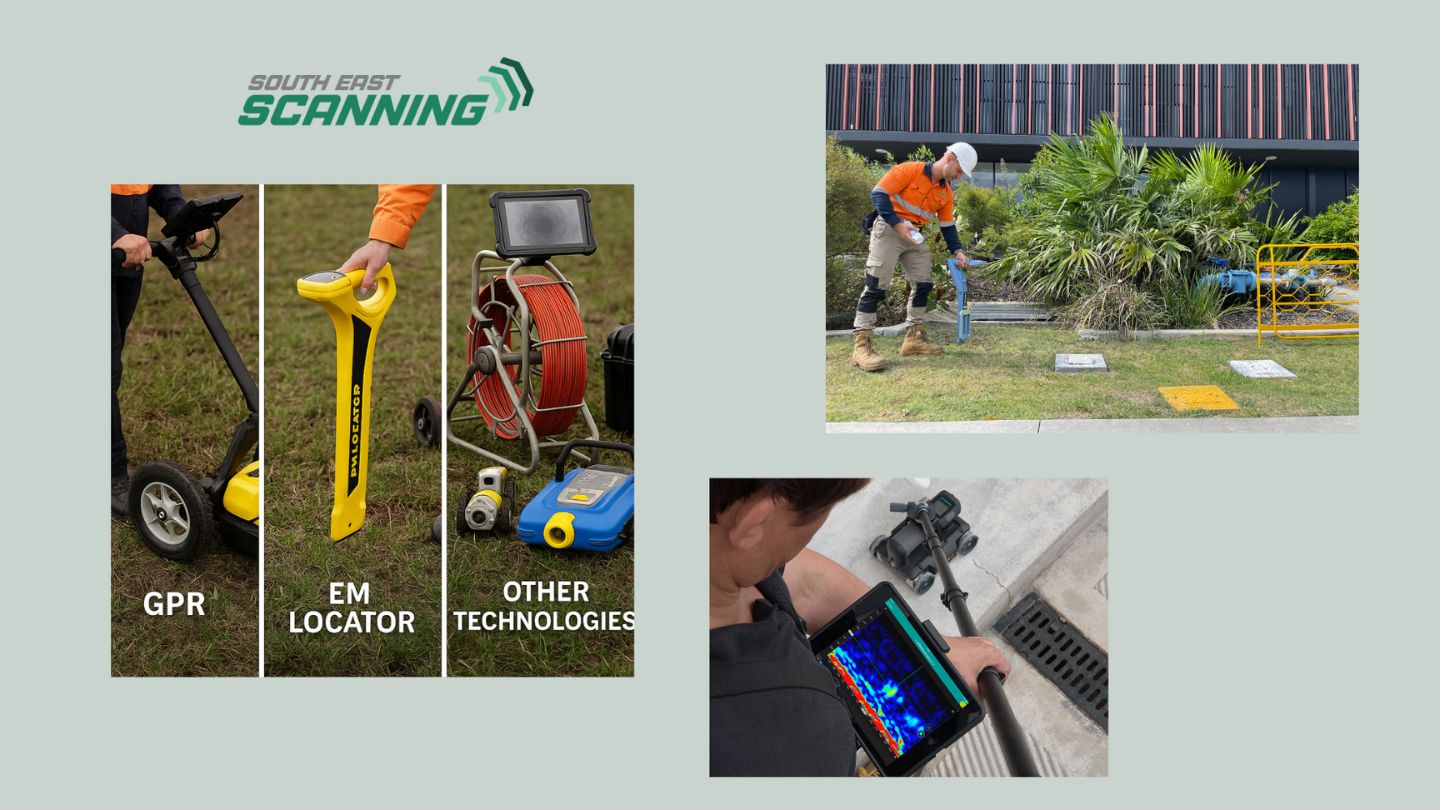
The GPR Toolbox: Pairing Radar with Electromagnetic, CCTV, and Other Technologies for Best Results

At South-East Scanning, we believe that one tool alone rarely tells the whole story. While Ground Penetrating Radar (GPR) is at the heart of our service offering, the reality is that the most reliable subsurface data comes from combining GPR with other technologies – especially in complex or high-risk environments. Just like a builder doesn’t… Continue reading The GPR Toolbox: Pairing Radar with Electromagnetic, CCTV, and Other Technologies for Best Results

From Slab to Soil: How Multi-Frequency GPR Reveals What’s Beneath Any Surface

When it comes to Ground Penetrating Radar (GPR), one size does not fit all. That’s especially true when you’re scanning a polished concrete slab in a Sunshine Coast café one day and searching for buried utilities under compacted clay in Brisbane’s outer suburbs the next. The key to successful subsurface investigations lies in understanding antenna… Continue reading From Slab to Soil: How Multi-Frequency GPR Reveals What’s Beneath Any Surface

How GPR Scanning Can Safely Transform Your Project

If you need to understand what’s hidden beneath concrete or soil without causing damage, GPR scanning is your solution. Using advanced radar technology, GPR (Ground Penetrating Radar) provides a clear image of subsurface structures, voids, and reinforcements. Each project is unique, so outcomes vary, but with professional scanning, you gain accurate, actionable insights that support… Continue reading How GPR Scanning Can Safely Transform Your Project

How Non Destructive Concrete Testing Protects Your Project

When you need to assess the strength, composition, or safety of concrete without damaging the structure, non destructive concrete testing is the solution. These methods provide accurate information about what lies beneath the surface while keeping your building or structure intact. Each project is different, so results can vary, but professional testing ensures actionable insights… Continue reading How Non Destructive Concrete Testing Protects Your Project

The Hidden Risk in Commercial Refits: Why Concrete Scanning Is Essential Before You Cut

Every commercial renovation project begins with great intentions – a slick new design, a tight deadline, and a plan to minimise business disruption. But what many builders, shopfitters, and project managers overlook is this: The most expensive mistake happens before the first cut is even made. Underneath that slab in the retail tenancy, café, or… Continue reading The Hidden Risk in Commercial Refits: Why Concrete Scanning Is Essential Before You Cut

GPR Scanning for Railways and Tunnels: Ensuring Track Stability and Safety

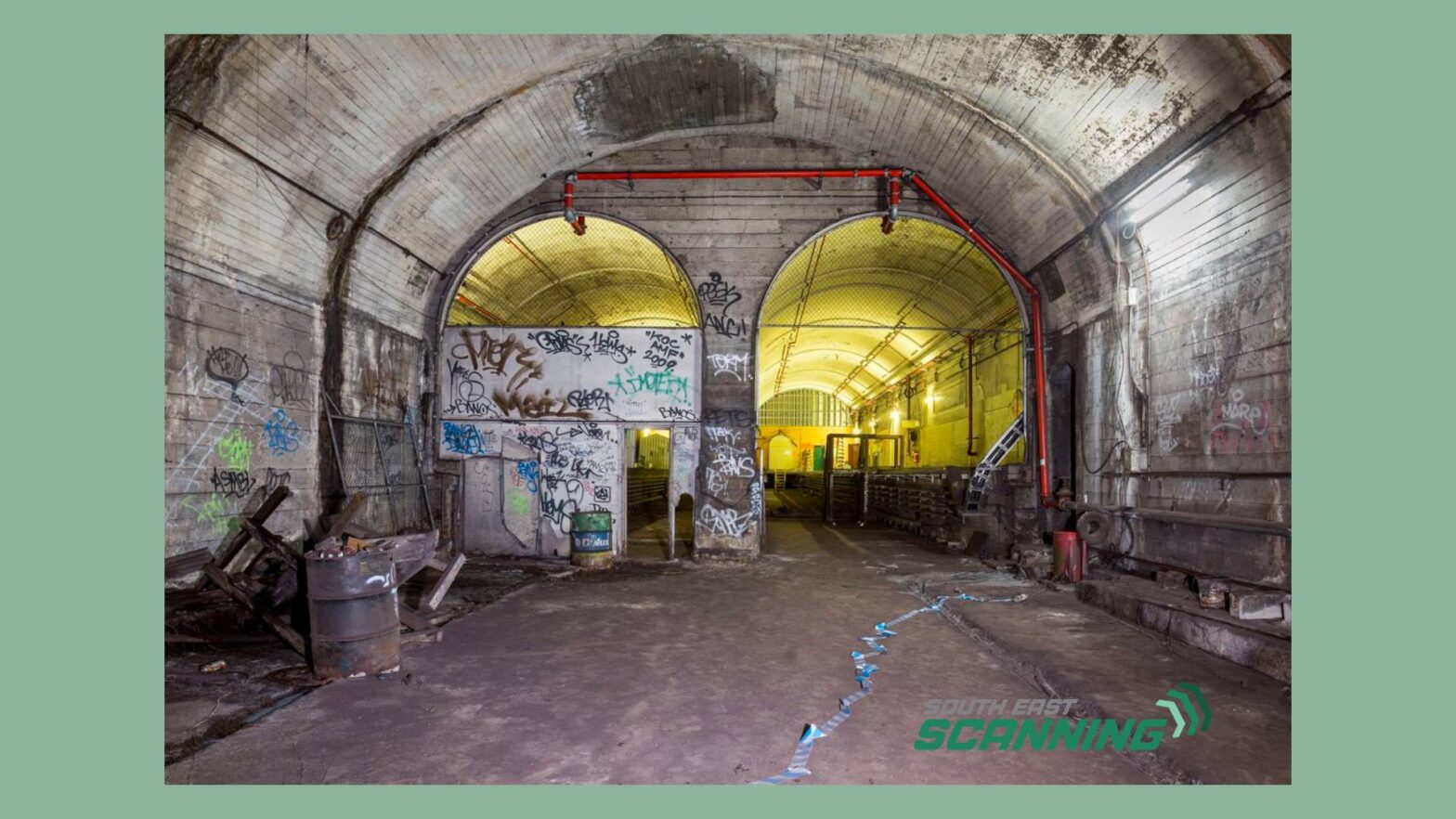
Beneath the steel rails that crisscross our cities and countryside lies a complex network of materials and structures that ensure every train journey is safe, smooth, and on schedule. But like all infrastructure, railways and tunnels age, shift, and degrade over time – often in ways invisible to the naked eye. Enter Ground Penetrating Radar… Continue reading GPR Scanning for Railways and Tunnels: Ensuring Track Stability and Safety

Understanding Non Destructive Concrete Testing In Construction

In modern construction, knowing the true condition of concrete structures is critical for safety, compliance, and project success. Non destructive concrete testing (NDT) offers a way to assess strength, durability, and integrity without causing damage. From bridges and high-rises to car parks and residential developments, this approach is becoming a standard part of quality control… Continue reading Understanding Non Destructive Concrete Testing In Construction

Top Uses Of Drone Surveying: How Aerial Technology Is Revolutionising Construction

In the past, surveying a construction site often meant long days on the ground with tripods, measuring tapes, and heavy equipment. Today, drone surveying is changing all that. By capturing detailed, accurate data from the air, drones are giving construction professionals a faster, safer, and more cost-effective way to measure, monitor, and manage projects. If… Continue reading Top Uses Of Drone Surveying: How Aerial Technology Is Revolutionising Construction

Preventing Underground Water Pipe Failures: The Role of GPR in Leak Detection
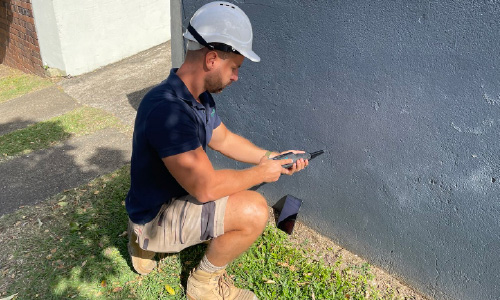
Water is one of our most precious resources – and also one of the most costly when things go wrong underground. Every year across Australia, millions of litres of water are lost due to leaking or broken underground pipes, often going undetected until the damage becomes too severe to ignore. Flooded footpaths, road sinkholes, compromised… Continue reading Preventing Underground Water Pipe Failures: The Role of GPR in Leak Detection
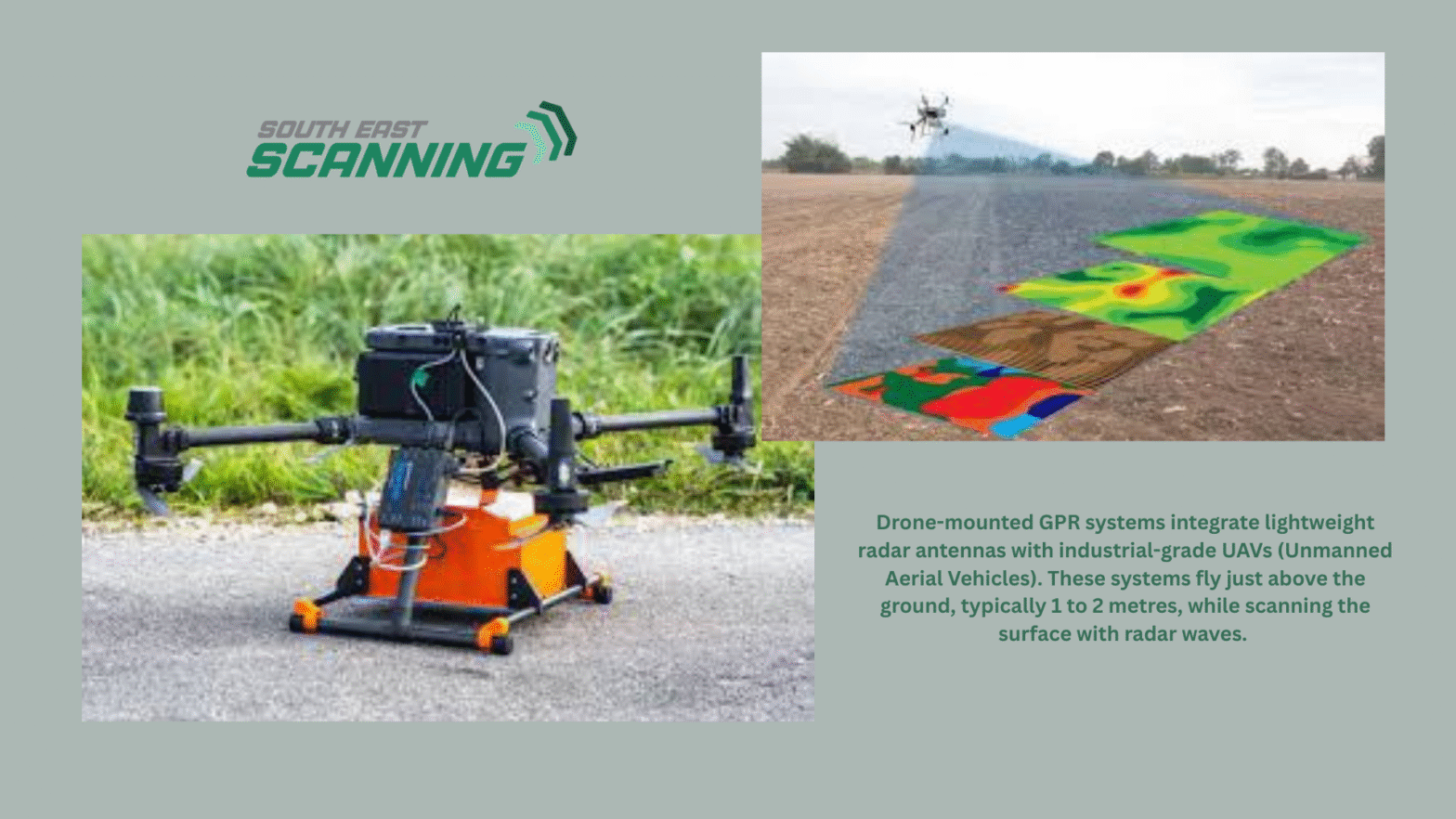
Drone-Mounted GPR: How Aerial Scanning is Changing Subsurface Investigations

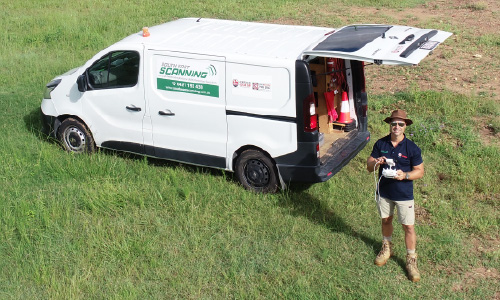
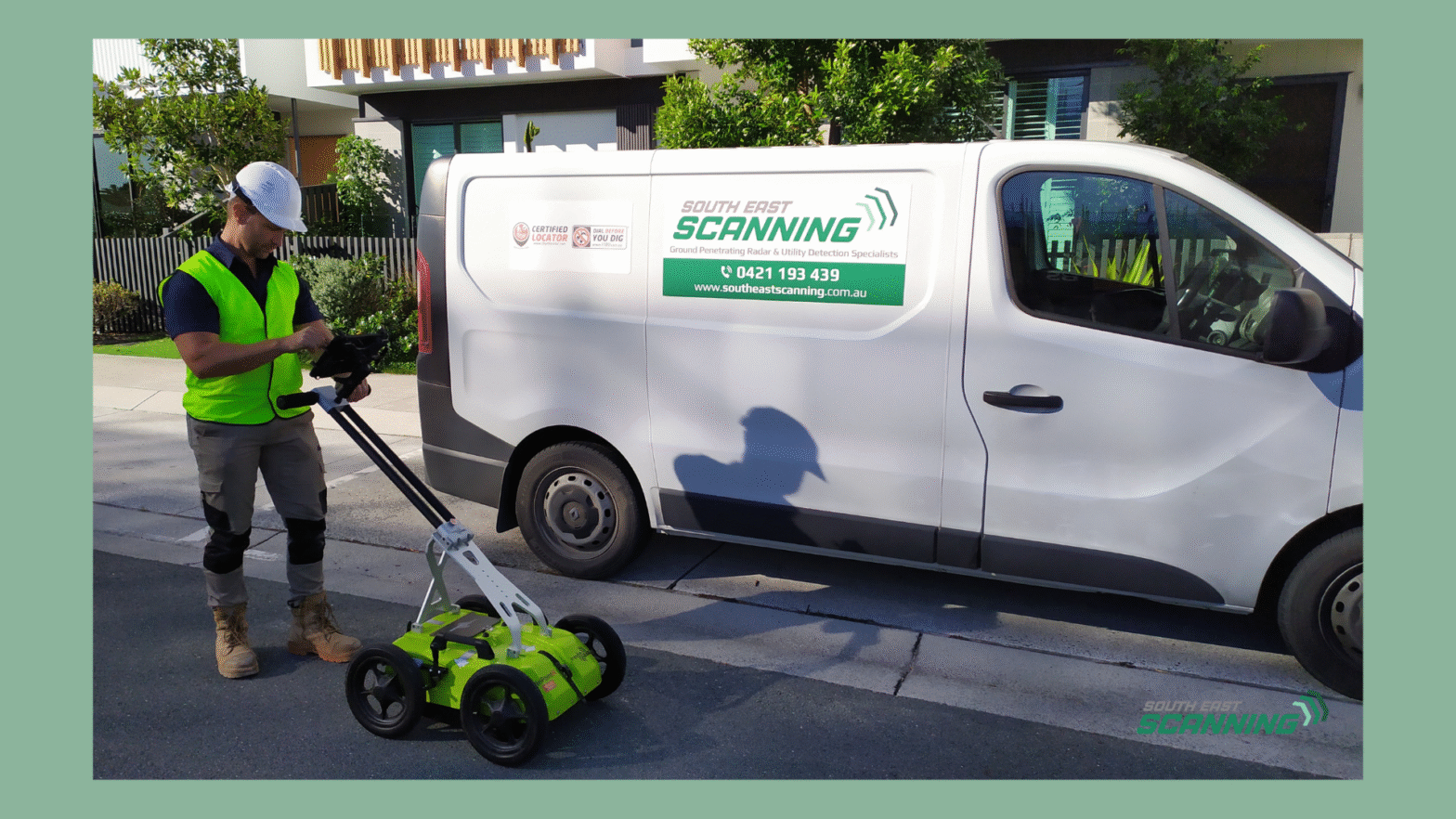
Until recently, ground-penetrating radar (GPR) was – by definition – a ground-based operation. Whether mounted to a cart or vehicle, scanning required boots on the ground and access to the surface in question. But that’s changing fast. The rise of drone-mounted GPR (also known as UAV-based GPR) is revolutionising how we conduct subsurface investigations, particularly… Continue reading Drone-Mounted GPR: How Aerial Scanning is Changing Subsurface Investigations

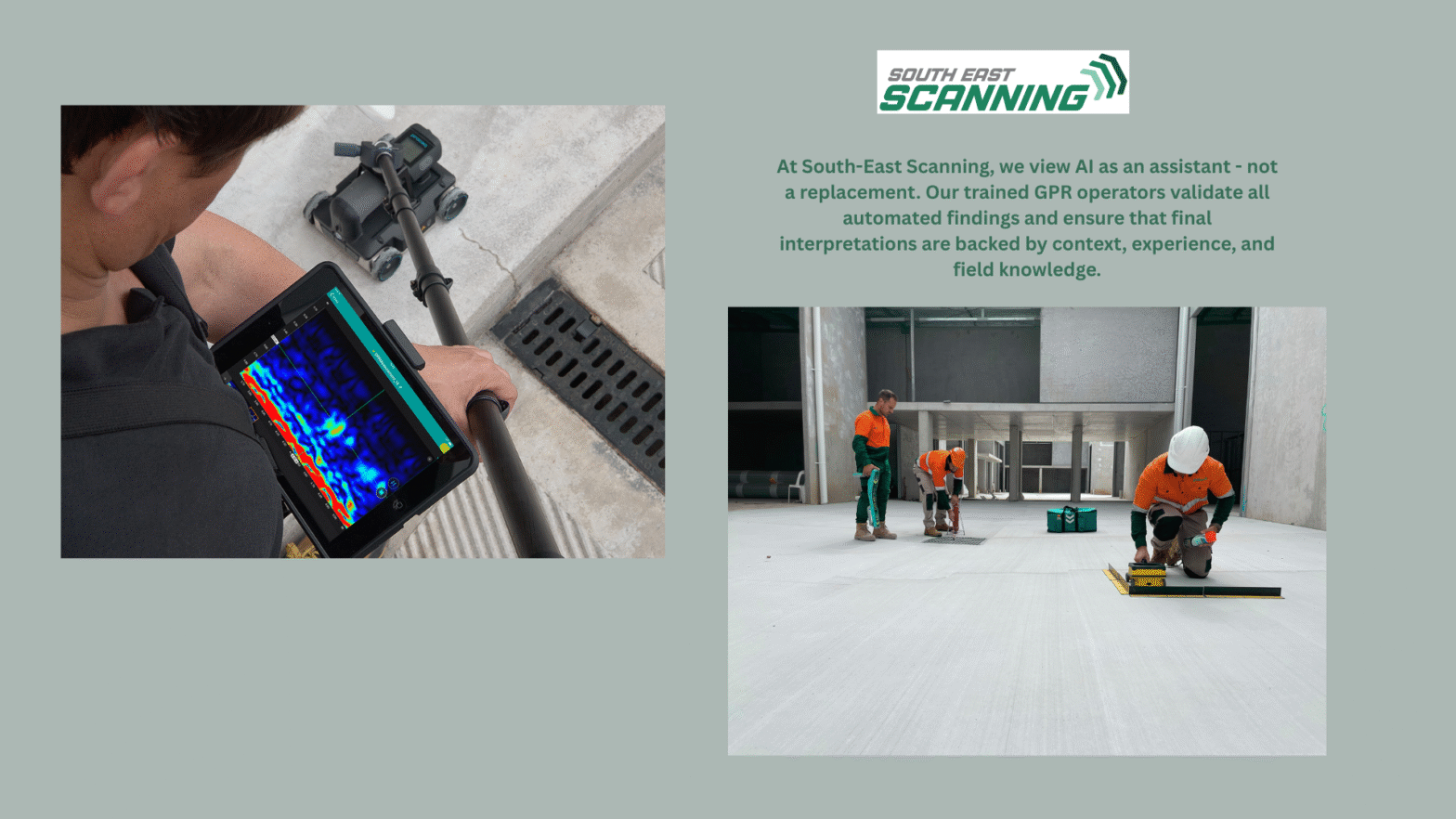
How AI and Machine Learning Are Enhancing GPR Data Interpretation

The future of subsurface scanning is intelligent, automated, and incredibly accurate. For decades, ground-penetrating radar (GPR) has been the go-to tool for non-destructive subsurface imaging. From detecting rebar and post-tension cables to mapping buried utilities and voids, GPR has become indispensable in construction, infrastructure, archaeology, and environmental engineering. Yet one of the longstanding challenges of… Continue reading How AI and Machine Learning Are Enhancing GPR Data Interpretation

Exploring The Uses Of Concrete Radar: How This Technology Enhances Your Construction Projects

Concrete radar, commonly referred to as Ground Penetrating Radar (GPR), is an innovative, non-destructive technology that allows construction professionals to gain detailed insight into concrete structures without causing any damage. In Brisbane and across Australia, concrete radar is increasingly being adopted as a key tool to improve project accuracy, safety, and efficiency. This article explores… Continue reading Exploring The Uses Of Concrete Radar: How This Technology Enhances Your Construction Projects

Avoiding Hazards With Dial Before You Dig: How To Safeguard Your Project During Winter Construction

In this blog, you’ll learn: Why winter increases the risk of underground utility strikes during excavation in South East Queensland. The limits of Dial Before You Dig (DBYD) plans and how professional utility locating adds essential accuracy. Best practices for safe winter digging—such as re-marking after rain and sharing scan data with your crew—to prevent… Continue reading Avoiding Hazards With Dial Before You Dig: How To Safeguard Your Project During Winter Construction
The Importance of Rebar and Post-Tension Cable Mapping in High-Rise Construction

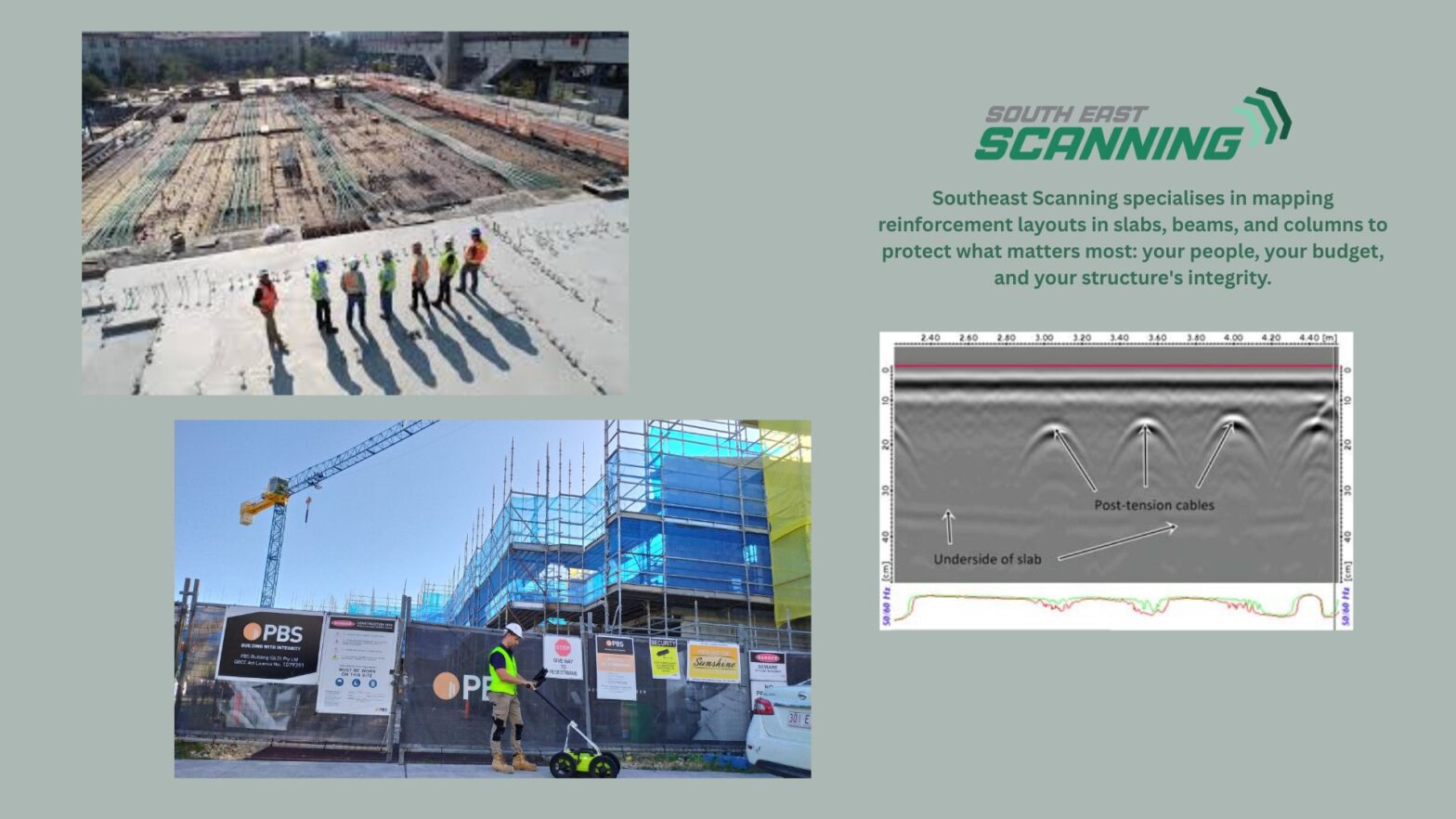
Think you know what’s beneath the concrete? One wrong drill could say otherwise. In this blog, you’ll learn: Why rebar and post-tension cable mapping is critical for high-rise construction How GPR scanning works The real-world safety and cost benefits it offers, and how Southeast Scanning helps keep your projects compliant, safe, and on schedule Beneath… Continue reading The Importance of Rebar and Post-Tension Cable Mapping in High-Rise Construction

Using GPR to Detect Soil Contamination and Underground Storage Tanks (USTs)
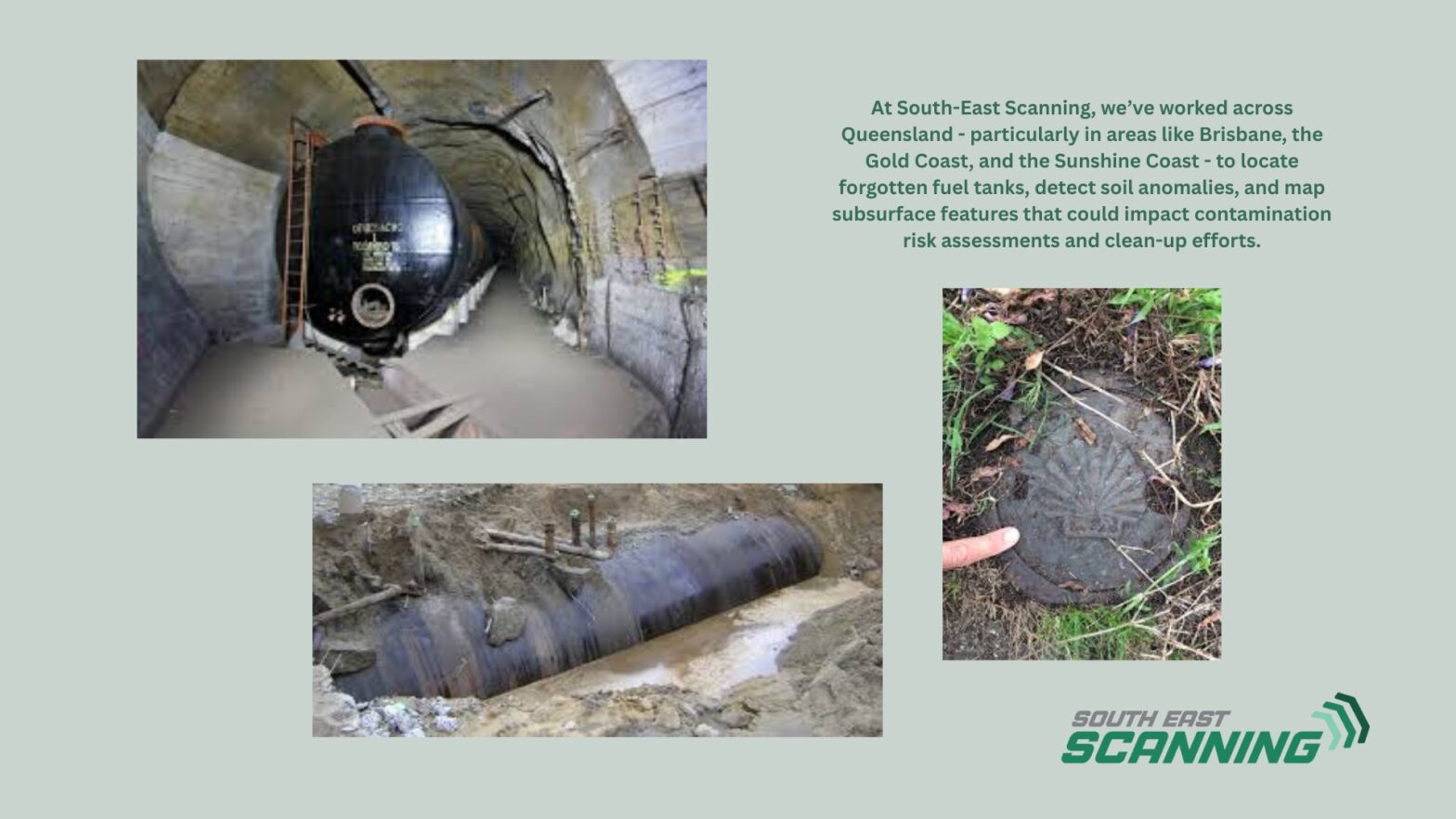
In the world of environmental investigation and remediation, one rule stands above all: you can’t fix what you can’t find. Whether it’s an old service station, a decommissioned industrial site, or a future development block with a mysterious history, underground storage tanks (USTs) and soil contamination are risks that need early identification. And in many… Continue reading Using GPR to Detect Soil Contamination and Underground Storage Tanks (USTs)
Concrete Cancer: Early Detection with GPR Scanning

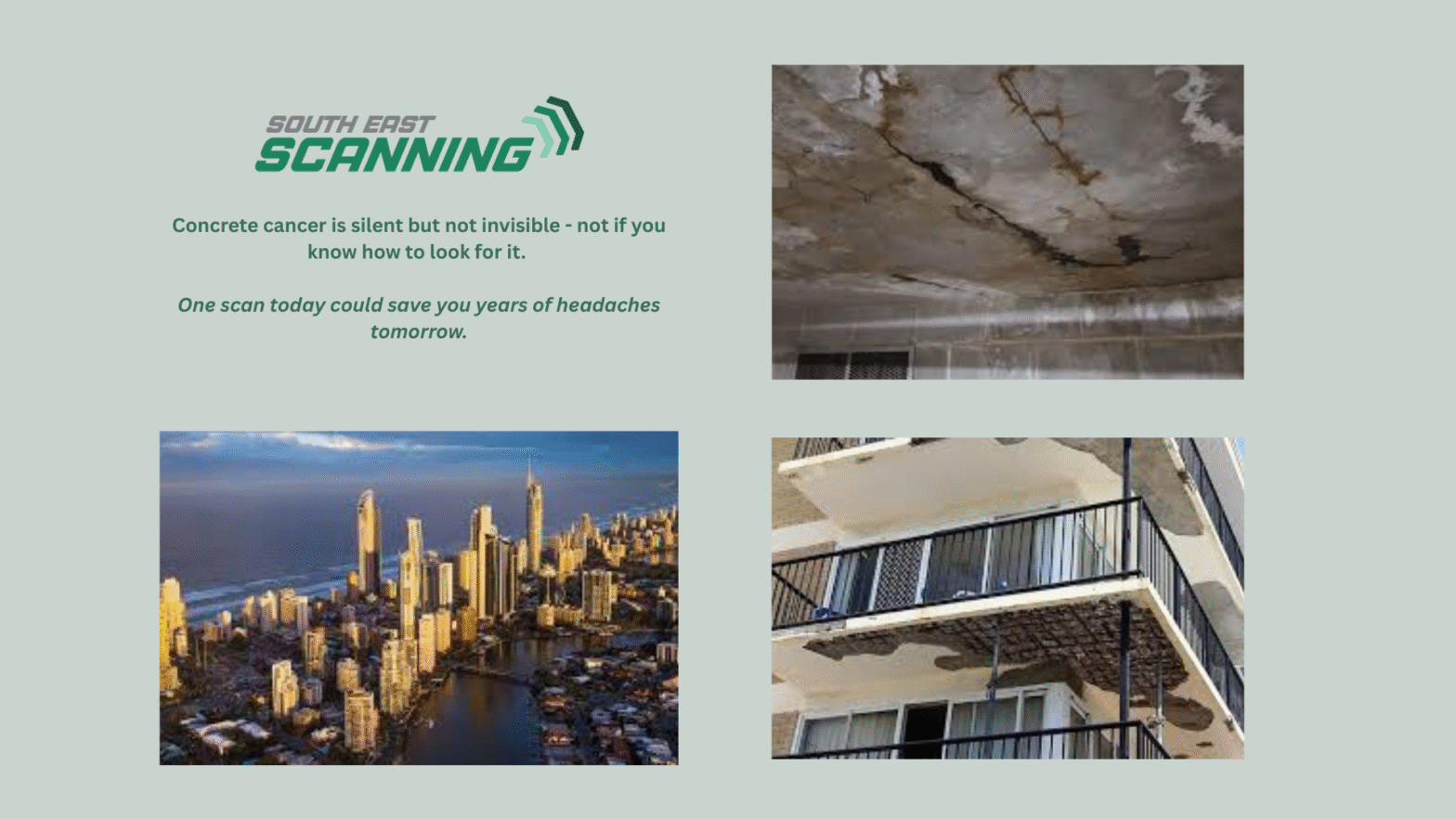
Concrete is one of the most widely used building materials in the world -strong, durable, and versatile. But even concrete isn’t invincible. Over time, it can suffer from a condition often referred to as “concrete cancer”: the progressive deterioration caused by spalling, corrosion of reinforcing steel, and moisture ingress. Left undetected, it can compromise a… Continue reading Concrete Cancer: Early Detection with GPR Scanning

The Future of GPR: 3D Subsurface Mapping and Augmented Reality Applications

Ground-penetrating radar (GPR) technology has come a long way from grainy radargrams and interpretive guesswork. Today, we’re entering a new era where GPR data is being transformed into immersive, interactive 3D models, thanks to rapid advancements in software, cloud processing, and augmented reality (AR) tools. The result? A more accurate, intuitive, and game-changing way to… Continue reading The Future of GPR: 3D Subsurface Mapping and Augmented Reality Applications

How Concrete Scanning Prevents Costly Construction Mistakes: Winter Considerations for Site Preparation

In construction, mistakes aren’t just inconvenient—they’re expensive. Striking the wrong cable, cutting through reo, or hitting a pipe you didn’t know was there can set a project back days or even weeks. And when winter rolls in, things only get more complicated. Wet weather, reduced daylight, and tighter schedules can turn a small hiccup into… Continue reading How Concrete Scanning Prevents Costly Construction Mistakes: Winter Considerations for Site Preparation

How to Choose the Right Concrete Scanning Provider: Key Factors and Questions

If your project involves cutting, coring, or drilling into concrete, scanning is a critical first step. It’s not just about avoiding delays or damage—it’s about safety. Striking post-tension cables, live electrical conduits, or unknown pipes can result in serious hazards, liability issues, or costly repairs. But not all scanning providers offer the same level of… Continue reading How to Choose the Right Concrete Scanning Provider: Key Factors and Questions

When Should You Use Concrete Scanning On A Construction Site?

If you’ve ever drilled into concrete and hit something you shouldn’t have, you already understand the value of concrete scanning. It’s one of those services that might seem optional—until it saves your project from delays, damage or worse. Whether you’re a sparkie, plumber, builder or site manager, knowing when to use concrete scanning can save… Continue reading When Should You Use Concrete Scanning On A Construction Site?

Choosing A Concrete Scanning Provider: What To Look For and Questions To Ask

Whether you’re planning a major commercial development, a residential renovation, or a small-scale drilling job, understanding what lies beneath the surface is critical. Concrete scanning, particularly using Ground Penetrating Radar (GPR), is an essential step to avoid hitting electrical conduits, rebar, post-tension cables, or other embedded objects that could compromise safety and delay your project.… Continue reading Choosing A Concrete Scanning Provider: What To Look For and Questions To Ask
The Role of GPR In Precast Concrete Manufacturing And Quality Control

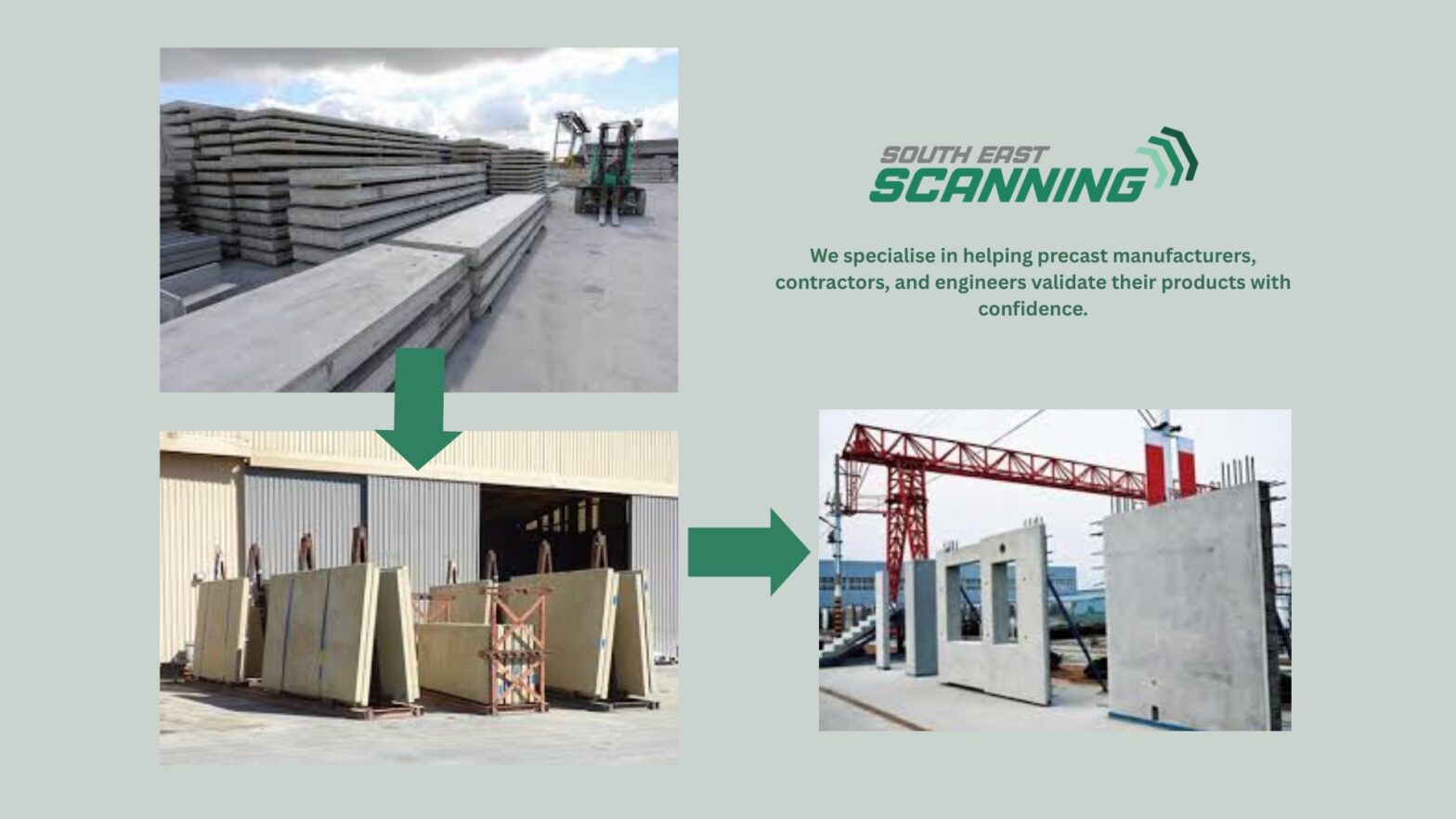
Precast concrete manufacturing is all about precision. Every panel, slab, or beam must meet strict quality standards from the factory floor to the construction site to ensure safety, compliance, and performance. And while surface inspections and visual checks are essential, they don’t tell the whole story. This is where Ground-Penetrating Radar (GPR) has become a… Continue reading The Role of GPR In Precast Concrete Manufacturing And Quality Control

How GPR Can Detect Honeycombing and Delamination in Concrete

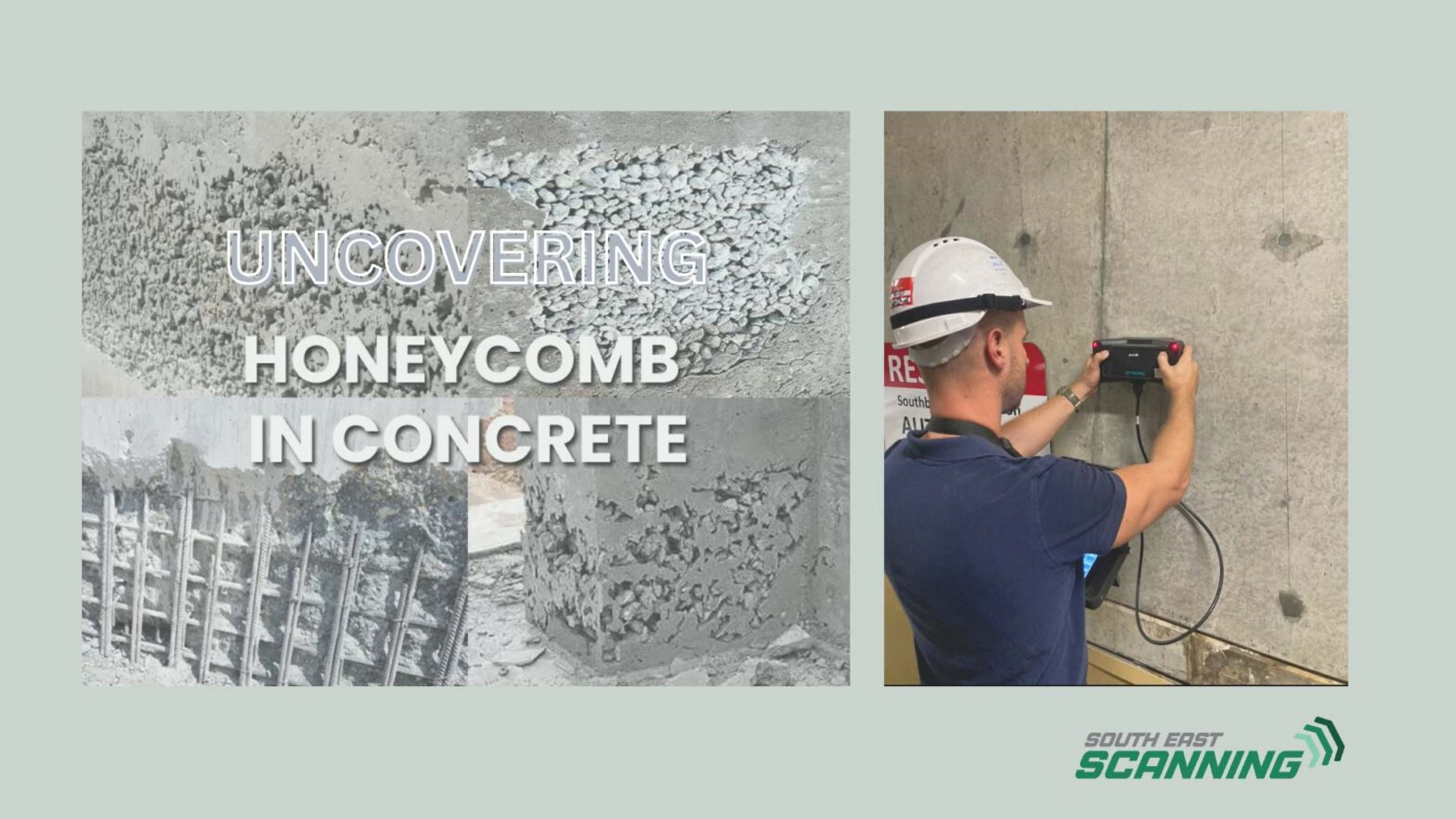
Concrete may look solid on the outside, but voids, air pockets, and fractured layers can be hidden beneath the surface that compromise structural integrity. Two common culprits? Honeycombing and delamination can lead to serious failures if not detected early. At South-East Scanning, we use Ground-Penetrating Radar (GPR) to nondestructively assess concrete conditions, helping engineers, asset… Continue reading How GPR Can Detect Honeycombing and Delamination in Concrete

How Concrete Scanning Prevents Costly Construction Mistakes

In the fast-paced world of construction, precision and accuracy are paramount. A single mistake or oversight can lead to delays, cost overruns, safety hazards, and even project failure. One of the most common challenges faced by construction professionals is dealing with the complexities of existing concrete structures. Whether it’s a renovation project, a new build,… Continue reading How Concrete Scanning Prevents Costly Construction Mistakes

Why Every Project Needs a Subsurface Utility Investigation (SUI) Before Digging

Are you planning to dig? Then you need to know about AS5488, Australia’s national standard for Subsurface Utility Information (SUI). At South-East Scanning, we’ve seen it all: delayed projects, burst pipes, costly variations, and even legal battles—all because underground utilities weren’t correctly identified or documented. That’s precisely what AS5488 aims to prevent. 🚧 Why Every… Continue reading Why Every Project Needs a Subsurface Utility Investigation (SUI) Before Digging

The Future of Construction: GPR and its Impact on Modern Projects

In the ever-evolving world of construction, technology continues to shape and redefine the ways we approach building projects. Among the most groundbreaking innovations of recent years is Ground Penetrating Radar (GPR). This non-invasive, non-destructive method is transforming how construction professionals assess, design, and execute projects. With the ability to provide real-time, detailed data about subsurface… Continue reading The Future of Construction: GPR and its Impact on Modern Projects

Mapping Abandoned Underground Infrastructure: Why It Matters for New Developments
Mapping abandoned underground utilities prevents costly delays and safety risks. South-East Scanning uses GPR to detect hidden infrastructure before construction begins. 👉 What’s lurking underground that no one knows about? 🔎 Mapping Abandoned Underground Infrastructure: Why It Matters for New Developments Across South-East Queensland – from inner-city Brisbane to older coastal suburbs – many sites… Continue reading Mapping Abandoned Underground Infrastructure: Why It Matters for New Developments
GPR vs. Traditional Utility Locating Methods Which One Works Best

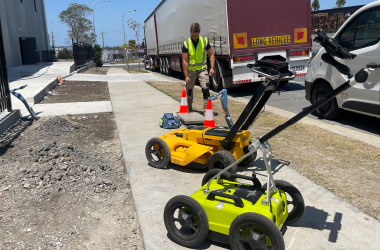
When it comes to locating underground utilities, accuracy is everything. Striking a hidden pipe or cable can mean costly delays, safety risks, or worse. But with so many methods available—Ground Penetrating Radar (GPR), Electromagnetic Locating (EML), Hydro Excavation, and even traditional plans—which one should you trust? Here’s what we’ve learned at South-East Scanning from real-world… Continue reading GPR vs. Traditional Utility Locating Methods Which One Works Best
What Is UPV Testing And Why Do You Need It?

When it comes to ensuring the safety, stability, and durability of structures, building and construction professionals rely on a variety of testing methods. One such method is UPV testing or Ultrasonic Pulse Velocity testing. This non-destructive testing (NDT) technique plays a crucial role in assessing the integrity of materials, particularly concrete. Concrete, being the backbone… Continue reading What Is UPV Testing And Why Do You Need It?

Top Uses of Drone Surveying

In recent years, the rise of drone technology has transformed various industries, and surveying is no exception. The ability to collect high-resolution data quickly, safely, and efficiently has made drone surveying an invaluable tool across multiple sectors. South East Scanning, a leading surveying company, understands the immense potential of drone technology to streamline surveying processes,… Continue reading Top Uses of Drone Surveying

How GPR Prevents Costly Utility Strikes: A Look at Real-World Cases

Every construction project carries risks, but few are as dangerous and expensive as striking underground utilities. Hitting a gas main, electrical conduit, or water pipeline can cause serious injuries, costly repairs, project delays, and even legal action Despite the best efforts of Dial Before You Dig (DBYD) services and utility maps, underground networks are often… Continue reading How GPR Prevents Costly Utility Strikes: A Look at Real-World Cases
How GPR Scanning Can Help You Recover Quickly After a Natural Disaster Strikes

Natural disasters leave devastation in their wake, affecting homes, businesses, and infrastructure. In Australia, severe storms, flooding, and cyclones can cause significant damage, particularly in coastal regions like the Gold Coast and the Sunshine Coast. Rapid and effective recovery is critical when disaster strikes – not just for safety but for rebuilding communities and restoring… Continue reading How GPR Scanning Can Help You Recover Quickly After a Natural Disaster Strikes

The Challenges of GPR Scanning in Coastal Regions and How to Overcome Them

Coastal regions offer some of the most breathtaking landscapes and vital infrastructure, from bustling harbours and beachfront properties to bridges and seawalls. However, when it comes to ground-penetrating radar (GPR) scanning, coastal environments present unique challenges that can impact scanning accuracy. High salt content, moisture levels, sandy soil conditions, and fluctuating water tables can interfere… Continue reading The Challenges of GPR Scanning in Coastal Regions and How to Overcome Them

Why GPR Is the Future of Non-Destructive Testing in Construction

The construction industry is evolving rapidly. One of the most significant advancements in recent years is Ground-Penetrating Radar (GPR).

Utility Locating In Heritage Sites: Balancing Precision With Preservation

Heritage sites tell the stories of our past, preserving architecture, culture, and history for future generations. Whether it’s a centuries-old building, an archaeological landmark, or a historic city centre, these locations require meticulous care when any construction, restoration, or utility work occurs. But what happens when underground utilities must be located in these sensitive areas?… Continue reading Utility Locating In Heritage Sites: Balancing Precision With Preservation
When Is It Necessary To Use Concrete Cutting?

Concrete cutting is an essential process in construction, renovation, and demolition projects. Whether you need to modify an existing structure, install utilities, or remove damaged sections, precise concrete cutting ensures efficiency, safety, and cost-effectiveness. But when exactly is concrete cutting necessary? In this article, we’ll explore the key scenarios that require professional concrete cutting, the… Continue reading When Is It Necessary To Use Concrete Cutting?

The Role of GPR in Flood Management and Subsurface Water Detection

Flooding is one of the most devastating natural disasters, causing billions of dollars in damage and disrupting communities worldwide. In regions like Brisbane and the Sunshine Coast, where heavy rainfall and coastal influences can lead to flash floods, understanding how water moves beneath the surface is critical for flood prevention and mitigation. This is where… Continue reading The Role of GPR in Flood Management and Subsurface Water Detection

Why Is Concrete Cutting High Value On The Sunshine Coast?

Before you start any digging project, whether it’s for landscaping, building a pool, installing a fence, or undertaking construction work, one crucial step can’t be overlooked: ensuring you’re not accidentally hitting underground utilities. This is where the Dial Before You Dig service comes in—a free and vital tool that helps you avoid costly and potentially… Continue reading Why Is Concrete Cutting High Value On The Sunshine Coast?
Avoiding Hazards with Dial Before You Dig

Before you start any digging project, whether it’s for landscaping, building a pool, installing a fence, or undertaking construction work, one crucial step can’t be overlooked: ensuring you’re not accidentally hitting underground utilities. This is where the Dial Before You Dig service comes in—a free and vital tool that helps you avoid costly and potentially… Continue reading Avoiding Hazards with Dial Before You Dig
Exploring the Uses of Concrete Radar

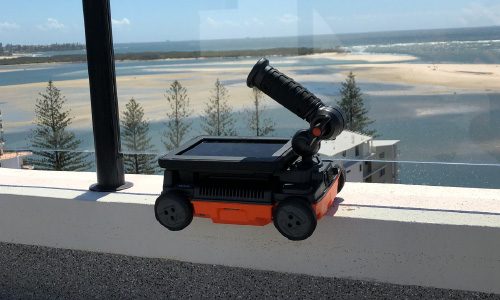
Concrete radar, also known as Ground Penetrating Radar (GPR) when used in concrete, is a non-destructive testing (NDT) technique that has revolutionised the way engineers, contractors, and construction professionals assess the internal condition of concrete structures. This technology offers a safe, efficient, and accurate method for identifying hidden features or issues within concrete without the… Continue reading Exploring the Uses of Concrete Radar
Detecting Voids Beneath Roads and Pavements: How GPR Saves Lives and Costs

Detecting Voids Beneath Roads and Pavements: How GPR Saves Lives and Costs Every day, roads and pavements bear the weight of vehicles, pedestrians, and weather extremes, silently supporting the movement of people and goods. But beneath the surface, unseen threats can lurk voids that, if left undetected, could compromise safety, lead to structural failures, and… Continue reading Detecting Voids Beneath Roads and Pavements: How GPR Saves Lives and Costs

Why Slab Scanning is Essential for Construction Projects

Accurate planning and execution are cornerstones of successful construction projects. However, beneath the surface of every structure lies a complex network of elements—reinforcing steel (rebar), conduits, post-tension cables, and voids—that can jeopardise safety and progress if not correctly identified. This is where slab scanning comes into play. Slab scanning, a non-invasive technique that maps out… Continue reading Why Slab Scanning is Essential for Construction Projects

How GPR is Revolutionising Utility Locating in Complex Urban Areas

GPR is transforming the world of utility locating. Read on to find out how it allows us to safely and effectively locate utilities.

Safety First: Dial Before You Dig

When planning a construction project, whether it’s a small residential build or a large-scale commercial operation, safety is paramount. One of the most critical, yet often overlooked, steps in the early stages of any construction project is knowing what’s beneath the surface before breaking ground. “Dial Before You Dig” is more than just a catchphrase—it’s… Continue reading Safety First: Dial Before You Dig

How GPR and Concrete Scanning Aid in Green Building Projects

As the world embraces sustainable construction practices, the role of technology in supporting eco-friendly solutions has never been more critical. In South East Queensland, where green building projects are gaining momentum, ground-penetrating radar (GPR) and concrete scanning are proving to be invaluable tools in achieving sustainability goals. These advanced scanning technologies enable efficient planning, resource… Continue reading How GPR and Concrete Scanning Aid in Green Building Projects

Mapping Post Tension Cables

Post-tension cables are the backbone of many modern concrete structures, providing the strength and flexibility necessary to withstand heavy loads and environmental stresses. However, working around these critical elements requires absolute precision. Accidentally cutting or damaging post-tension cables during renovations or construction can lead to catastrophic structural failures, safety hazards, and costly repairs. This is… Continue reading Mapping Post Tension Cables

The Importance of Accurate Concrete Scanning Before Home Renovations

When it comes to home renovations, the excitement of transforming a space often overshadows one crucial detail: understanding what lies beneath your concrete. Whether you’re installing a new bathroom, mounting heavy fixtures, or building an extension, drilling into concrete without knowing what’s below can lead to costly mistakes, safety hazards, or damage to essential utilities.… Continue reading The Importance of Accurate Concrete Scanning Before Home Renovations

Cathodic Protection: Why Coastal Structures Need It More Than Ever

Coastal areas are a paradise for many, but they’re no friend to reinforced concrete structures. The harsh marine environment, laden with salt-laden air and high humidity, accelerates the natural corrosion process. This corrosion can mean reduced lifespan, costly repairs, and even structural failure for infrastructure such as bridges, seawalls, and piers. Enter cathodic protection (CP)—a… Continue reading Cathodic Protection: Why Coastal Structures Need It More Than Ever

The Science Behind GPR Scanning

Everything you need to know about GPR (Ground Penetrating Radar) at South East Scanning. Read on!

GPR Scanning In The Modern World

GPR scanning is significant in modern safety inspections, let’s explore why it’s so important in this blog.

Unlocking Precision With Screening Eagle Inspect: The Future Of Intelligent Inspection Software 

We believe in using the best tools to provide precision and clarity. That’s why we use intelligent inspection software. Read on!

Void Detection: Preventing Future Failures in Concrete Foundations  

Void detection in concrete foundations is essential for safeguarding structures from potentially costly failures. Over time, factors like soil erosion, settling, or poor compaction can create unseen gaps or “voids” beneath concrete foundations. If undetected, these voids weaken the structure, leading to cracks, settlement, and, in severe cases, structural collapse. Early detection and treatment of… Continue reading Void Detection: Preventing Future Failures in Concrete Foundations  

Innovations in GPR Technology for Deeper Geotechnical Insights 

Recent innovations in ground-penetrating radar (GPR) technology have dramatically benefited geotechnical investigation. Modern GPR systems now offer deeper penetration and enhanced resolution, providing more detailed insights into subsurface conditions. These advancements include higher frequency ranges, better signal clarity, and the ability to create 3D subsurface models. With these tools, geotechnical engineers can now more accurately… Continue reading Innovations in GPR Technology for Deeper Geotechnical Insights 

The Impact of Concrete Cover on Structural Integrity

Concrete covers play a vital role in protecting the steel reinforcement (rebar) within concrete structures. The cover acts as a physical barrier, shielding rebar from exposure to moisture, air, and corrosive elements—particularly in coastal environments like the Sunshine Coast or Brisbane, where saltwater accelerates the corrosion process. If the concrete cover is inadequate or damaged,… Continue reading The Impact of Concrete Cover on Structural Integrity

The Importance Of Concrete Radar In Construction

In the rapidly evolving world of construction, staying ahead of the curve is crucial. With new technologies emerging at an unprecedented rate, the construction industry must continually adapt to maintain safety, efficiency, and cost-effectiveness. One of the most game-changing technologies making waves in this field is concrete radar. This blog post will explore the importance… Continue reading The Importance Of Concrete Radar In Construction

Seeing Through Walls: The Essential Role Of Concrete X-Ray In Modern Construction

In modern construction, ensuring the integrity and safety of structures is crucial for protecting workers and the public. One essential technology in this area is concrete X-ray. Initially developed for medical use, X-ray technology has become vital in construction, transforming how professionals assess and maintain concrete structures’ safety. This blog post will discuss the important… Continue reading Seeing Through Walls: The Essential Role Of Concrete X-Ray In Modern Construction

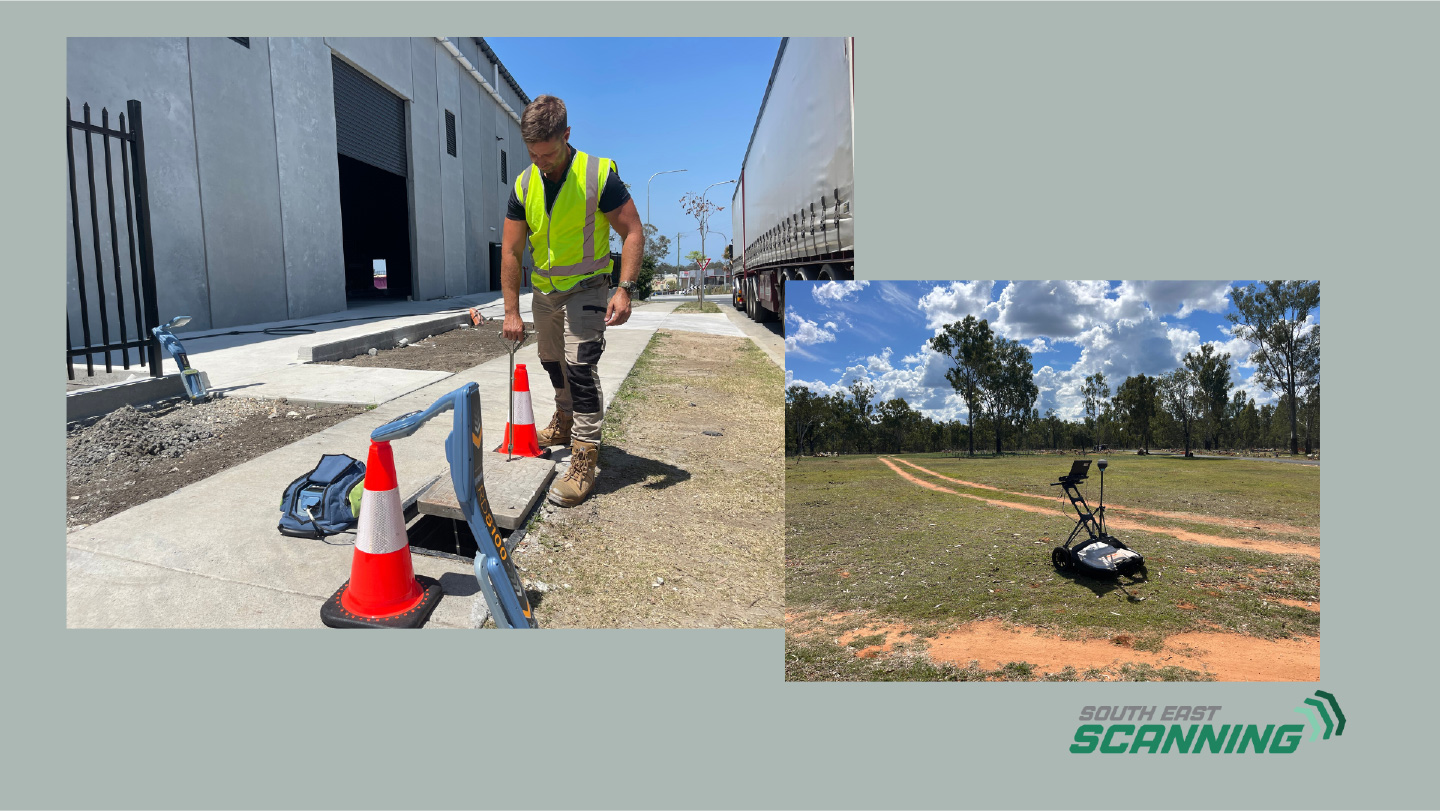
Utility Locating in Brisbane: Why Engaging a Certified Locator is Essential for Your Project

In Brisbane, construction and excavation projects are expected, with earthworks, fence installation, footing installation, and other activities often requiring interference with the subsurface. While many rely on Dial Before You Dig (DBYD) plans, commonly called BYDA, these public utility maps provide a limited picture of what lies beneath the ground. For businesses and homeowners in… Continue reading Utility Locating in Brisbane: Why Engaging a Certified Locator is Essential for Your Project

Common Misconceptions About Ground-Penetrating Radar in Construction

Ground-penetrating radar (GPR) is an incredibly useful tool for construction and maintenance projects, but many misconceptions exist about what it can and can’t do. Let’s set the record straight by debunking some of the most common myths about GPR. 1st Myth: GPR Can See Through Everything One of the most widespread misconceptions is that GPR… Continue reading Common Misconceptions About Ground-Penetrating Radar in Construction

How Cathodic Protection Prevents Corrosion in Reinforced Concrete Structures

Cathodic protection (CP) is a proven method for preventing corrosion in reinforced concrete structures, particularly in coastal environments where saltwater accelerates degradation. CP creates a protective electrical current that neutralises corrosive reactions between the steel reinforcement (rebar) and the surrounding concrete. This technique is especially beneficial for coastal structures like bridges, seawalls, and piers, which… Continue reading How Cathodic Protection Prevents Corrosion in Reinforced Concrete Structures

Utility Locating Challenges on the Sunshine Coast

Locating underground utilities in coastal areas like the Sunshine Coast presents unique challenges. The region’s sandy soils and high underground moisture content can make detecting buried utilities more complex. For utility locators working in suburbs such as Maroochydore, Noosa Heads, and Caloundra, accurate results can be harder to achieve, as sandy terrain can cause signals… Continue reading Utility Locating Challenges on the Sunshine Coast

How Concrete Scanning Enhances Safety

In this blog post, we will explore the significance of concrete scanning in construction, break down how it works, and highlight benefits.

Concrete Cutting: From Basic To Advanced Techniques

Concrete cutting is an essential skill in the construction industry. It involves the controlled sawing, drilling, and removal of concrete. This process is vital for creating openings for doors, windows, or utility conduits. Understanding concrete cutting helps to improve project efficiency, safety, and quality. This blog post will guide you through the basics to advanced… Continue reading Concrete Cutting: From Basic To Advanced Techniques

The Ground Truth On GPR Scanning: Myths And Facts Every Construction Professional Should Know

Imagine having x-ray vision that allows you to see what lies beneath the surface before making a single cut. Ground Penetrating Radar (GPR) technology offers just that for construction professionals. GPR is a non-invasive method that uses radar pulses to image the subsurface. It can detect objects, changes in material, voids, and cracks. When used… Continue reading The Ground Truth On GPR Scanning: Myths And Facts Every Construction Professional Should Know

Unique Challenges Of Utility Locating In Brisbane

Let’s look at some unique challenges that we sometimes face when locating utilities in Brisbane and how we overcome them.

Exploring South-East Scanning’s Comprehensive Services Across Queensland

At South-East Scanning, we pride ourselves on offering top-tier concrete scanning and dial-before-you-dig services. Our state-of-the-art technology, including Ground Penetrating Radar (GPR) and utility locating equipment, ensures the safety and efficiency of your projects. While we primarily serve South-East Queensland, our commitment to excellence extends to regional centres such as Bundaberg, Rockhampton, Cairns, Gladstone, Mackay,… Continue reading Exploring South-East Scanning’s Comprehensive Services Across Queensland

Advances In Electromagnetic Induction Technology: Enhancing Precision And Efficiency In Utility Locating

Let’s take a look at the latest advances in electromagnetic induction technology and how it helps us in utility locating.

Discover The Precision Of South-East Scanning Services On The Sunshine Coast

When it comes to ensuring the safety and success of construction and excavation projects, the expertise of a certified utility locator is indispensable. On the Sunshine Coast, from Pelican Waters, to Maroochydore and Noosa, South-East Scanning offers unparalleled utility locating and structural analysis services, ensuring that every dig is done right the first time. Why… Continue reading Discover The Precision Of South-East Scanning Services On The Sunshine Coast

Enhancing Concrete Inspection With The Profometer PM8000: A Game-Changer For South-East Scanning

South-East Scanning is excited to announce the addition of the Profometer PM8000 to our suite of advanced diagnostic tools. Known for its precision and reliability, the Profometer PM8000 by Screening Eagle Technologies is a cutting-edge concrete cover meter and rebar locator that significantly enhances our concrete inspection services. This tool is set to revolutionise how… Continue reading Enhancing Concrete Inspection With The Profometer PM8000: A Game-Changer For South-East Scanning

The Challenges Of Locating Fibre Optic Cables And Effective Strategies For Utility Locators

In the world of construction and infrastructure maintenance, one of the most challenging tasks for utility locators is identifying and mapping non-conductive utilities, particularly fibre optic cables. These cables are integral to our telecommunications infrastructure, yet their non-metallic nature makes them virtually invisible to conventional detection methods. This blog post discusses the difficulties associated with… Continue reading The Challenges Of Locating Fibre Optic Cables And Effective Strategies For Utility Locators

Best Practices In Utility Locating: Ensuring Safety And Compliance

When undertaking any construction or excavation project, the importance of accurately locating underground utilities cannot be overstated. Engaging a certified utility locator and ensuring thorough communication throughout the process are crucial steps in safeguarding against potentially catastrophic mistakes. At South-East Scanning, we champion these best practices, ensuring every project meets the highest standards of safety… Continue reading Best Practices In Utility Locating: Ensuring Safety And Compliance

How To Perform A Successful Slab Scan

In this extensive guide tailored for construction professionals and project managers, we’ll walk through the ABCs of slab scanning!

Benefits Of GPR In Construction Projects

For anyone with a hardhat, understanding and harnessing the power of GPR in construction is not just advisable—it’s essential.

The Steps of GPR

Ground Penetrating Radar (GPR) is critical for modern construction projects. Let’s see the essential steps to this technology.

Environmental Applications of GPR

GPR offers a window into the earth and uncovers its environmental impact and critical data. Let’s take a look at how.

The Importance Of Void Detection

Void detection is an indispensable aspect across diverse industries such as construction, geotechnical engineering, mining, and archaeology.

What Are The Benefits Of GPR Scanning?

GPR scanning has opened up new avenues of exploration and enhanced our understanding of the world under our feet. Let’s look at the benefits!

The Evolving Role of the Utility Locator: More Than Cables and Pipes

In the complex web of construction and maintenance projects, the role of a utility locator is pivotal. Read to find out more.

GPR in Archaeology: Discovering Hidden Treasures Beneath the Surface

Ground Penetration Radar (GPR) has allowed us to discover anomalies. It is easy to imagine the uses of GPR in archaeology. Let’s discover why.

Why Concrete Scanning Is So Important For Your Gold Coast Building

Concrete scanning is a method that is used to uncover hidden features within the concrete slab. Let’s find out how it can be used.

What Equipment Is Used When Concrete Scanning?

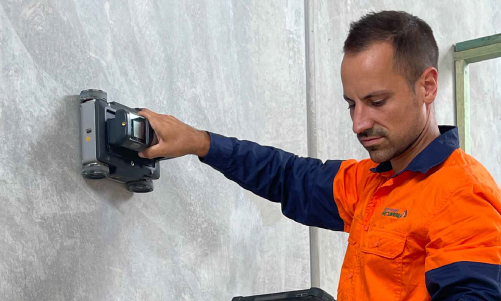
Concrete scanning is a crucial process in the construction industry. Read on to find out what equipment is used throughout the process.

Navigating the Urban Underground: Challenges and Solutions in GPR Utility Locating

This article delves into the challenges posed by urban environments and how GPR technology provides solutions for effective utility locating.

What Is Dial Before You Dig?

An essential yet often overlooked step before undertaking any excavation project is to ‘Dial Before You Dig’. Let’s delve into the details.

6 Advantages of Concrete Scanning

Concrete scanning is a non-destructive technique used to reveal what’s hidden within concrete structures. Let’s explore!

Unveiling the Future: South-East Scanning Elevates Ground Penetrating Radar with the GSSI Flex NX

In this article, we will delve into the features of the Flex NX and discuss how this scanner is propelling South-East Scanning to new heights!

Navigating the Challenges: Limitations of GPR in Locating Non-Conductive Utilities

Let’s explore complexities of locating utilities, the technology behind GPR, and alternative solutions when traditional methods fall short.

5 Key Aspects To Inspect In A Suspended Concrete Slab

Suspended concrete slabs play a crucial role in buildings. Here are the five key aspects to consider when inspecting these slabs.

Pros and Cons of Different Ground Penetrating Radar Concrete Scanning Systems

Ground Penetrating Radar (GPR) concrete scanners have become indispensable tools for construction, civil engineering, and utility locating industries. These devices use electromagnetic waves to penetrate concrete surfaces and provide valuable insights about what lies beneath. In this article, we’ll explore the pros and cons of five popular GPR concrete scanners: IDS Georadar C-Thrue, Proceq GP8000,… Continue reading Pros and Cons of Different Ground Penetrating Radar Concrete Scanning Systems

Why You Need Stage Inspections When Building A New Home

Let’s talk about stage inspections. These are critical in ensuring the quality and safety of your new build, and here’s why.

Do You Need Professional Concrete Cutting?

Professional concrete cutting services offer distinct advantages. Let’s get into why and how South East Scanning can help!

Pre and Post Concrete Slab Inspection During Construction

Let’s look at pre and post concrete slab inspection in this latest blog post. Read on to learn more about what this is!

How To Locate Hidden Utilities

In this blog post, we’ll get into how you locate hidden utilities and how South East Scanning can help with all your scanning needs!

Elevating Concrete Quality with Ultrasonic-Pulse Velocity Testing

Let’s look at the UPV testing process and showcase a recent case study with Austrak, a leading manufacturer of concrete sleepers for railways.

Everything You Need To Know About Concrete Scanning

Lets look at key aspects of concrete scanning, including how it works, the benefits it offers, and its applications across various industries.

3 Reasons Why You Should Use Drones for Surveying

In this blog post, we will explore three compelling reasons why you should consider incorporating drones into your surveying workflow.

Mastering the Art Of Locating Electrical Conduits In Concrete Slabs With GPR Technology & Concrete Scanning

This article explores detecting electrical conduits, showcasing what is needed to achieve precision and reliability in conduit locating.

Opening Stubborn Sewer Pit Lids And Gatic Pits

We understand the challenges of opening sewer pit lids and Gatic pits. We have the experience and equipment, ensuring that sewer lines can be traced and inspected.

The Limitations of Ground-Penetrating Radar Technology

Discover the limitations of GPR technology and how it can help your expectations for locating utilities. Learn more at South East Scanning!

What Is Drone Surveying?

Curious to know aboout drone surveying? Read on to discover how new advancements in UAV technology can greatly improve site surveying outcomes!

Concrete X-ray vs GPR – What’s the Difference?

In this article, we will delve into the details of these two methods and explore why GPR is the more cost-effective and accurate solution.

Locating Utilities on Private Properties

In this article, we will explore the importance of locating utilities on private properties, with a particular focus on schools, and why it is essential to use certified locators.

What Is Slab Scanning?

Slab scanning is an increasingly popular technique used by builders, with more contractors learning the advantages of adopting it.

Bridge Deck Evaluation Using Ground-Penetrating Radar: The Comprehensive Guide

In this comprehensive guide, we will discuss how GPR can be used for bridge deck evaluation and the key factors considered when using GPR for this purpose.

The Importance Of Using Certified Locators For Underground Utility Detection

It is vital to use certified locators who have been through the rigors of certification, training, experience, and expertise.

Detecting Cold Joints In Concrete Using GPR Technology

GPR technology is an effective method for identifying cold joints in concrete and evaluating the quality and integrity around the joint area.

Scanning Precast Girder Beams – A Case Study In Ground Penetrating Radar

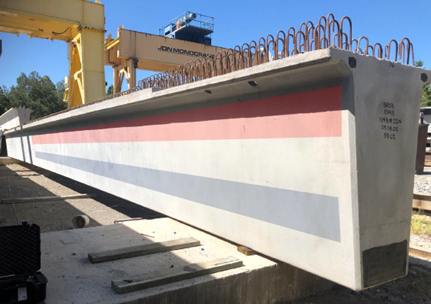
Recently, the team was tasked with conducting a series of Ground Penetrating Radar (GPR) scans on a pre-cast T-Girder beam in Brisbane.

3D Mapping Of Reinforcement For Construction Projects

3D mapping is an exciting new feature of GPR, enabling non-experts to see things that they may not have been able to see before through the limitations of traditional 2D mapping methods.

The Importance of Dial-Before-You-Dig and Utility Locating in New Building Estates

To illustrate the importance of dial-before-you-dig services in new building estates, let’s consider a real-life scenario.

Everything You Need To Know About Removing A Concrete Slab

Read on for everything you need to know about removing concrete slabs without breaking your back or budget.

Case Study

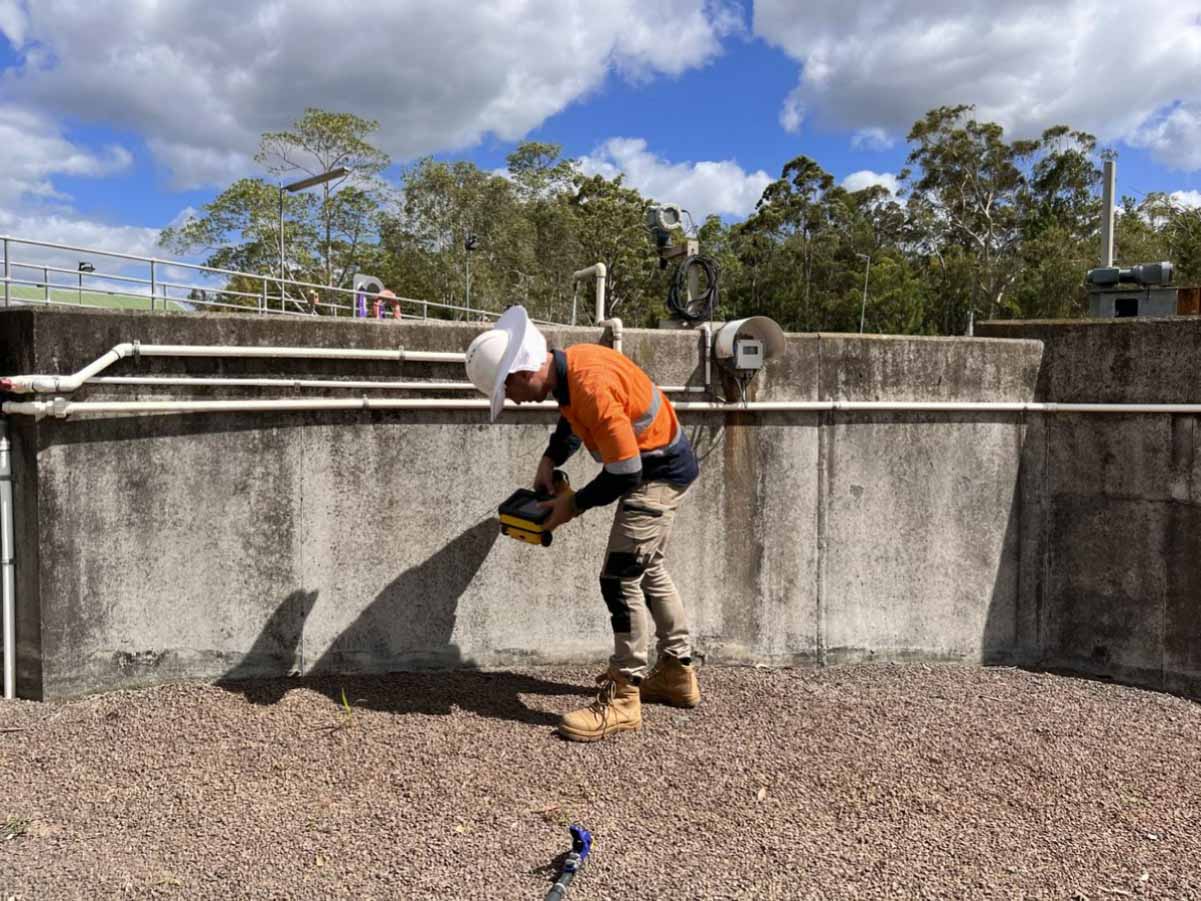
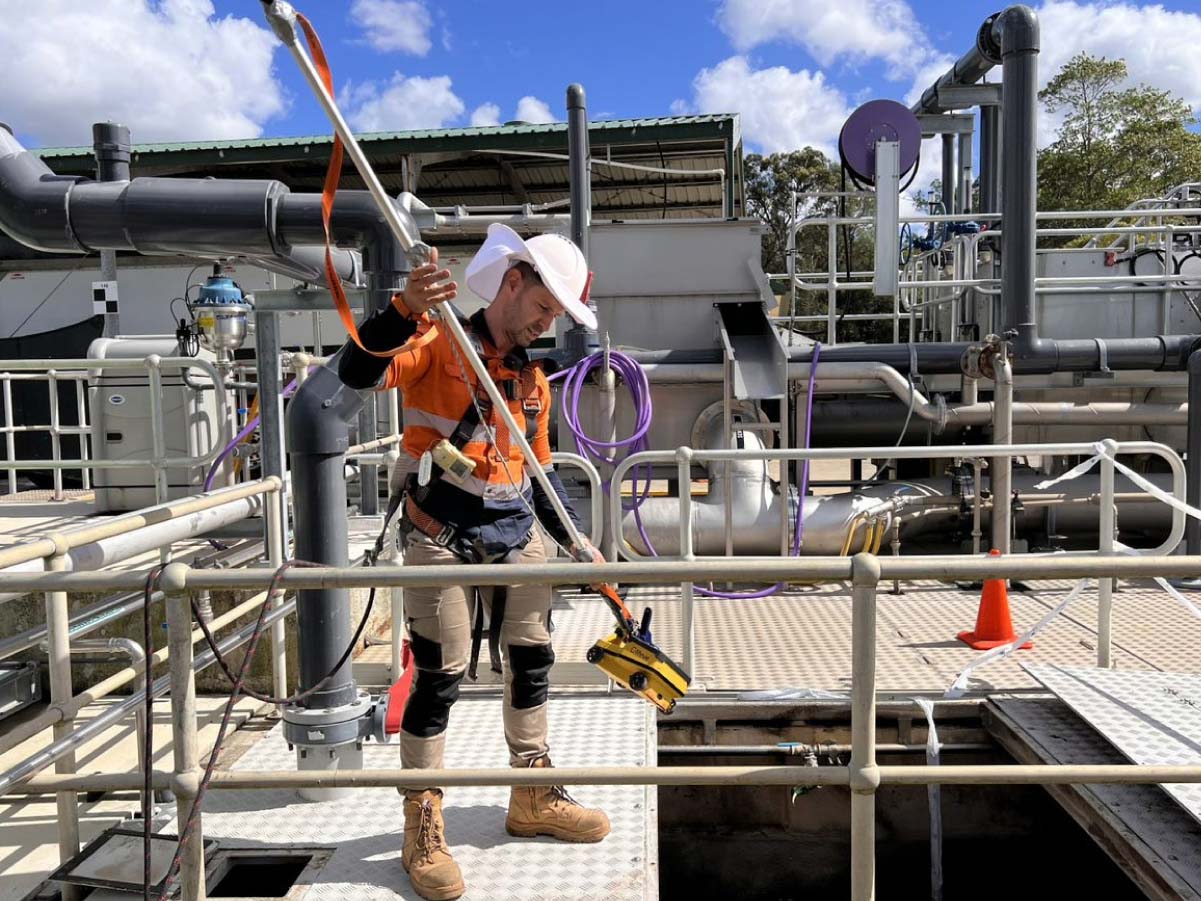
South-East Scanning was contracted by SMEC to help with the inspection of a sewerage treatment plant. Let’s see the team in action!

Detecting Voids In Concrete Slabs

Learn about the best ways to detect voids in concrete slabs and how it can help avoid costly repairs in the future.

The Benefits Of Ground Penetrating Radar (GPR)

Ground Penetration Radar (GPR) is a process which sends radar into solid materials and produces data about objects that may be hidden within.

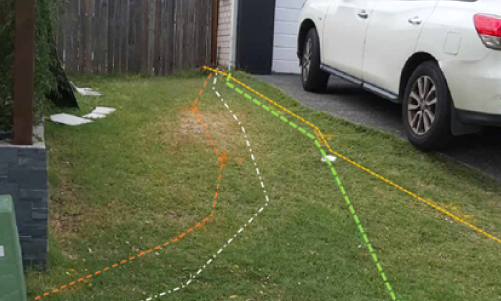
Everything you need to know before you start digging

Underground Service Locating, also known as Underground Utility Locating, is the process of locating underground pipes, cables or assets and marking them.

What Is GPR?

Ground Penetrating Radar is a geophysical locating technique that uses radio waves to take images below the ground’s surface in a minimally invasive manner.